A Guide to Selecting the Right Submersible Sewage Pump
A Guide to Selecting the Right Submersible Sewage Pump
Understanding Pump Specifications: Flow Rate, Head, and Power
Selecting the optimal submersible sewage pump begins with a precise understanding of three core technical specifications: flow rate, head, and power. The flow rate, typically measured in cubic meters per hour (m³/h) or gallons per minute (GPM), determines the volume of sewage the pump can move within a specific time frame. Accurately calculating the peak wastewater inflow is crucial to avoid undersizing, which leads to system overload, or oversizing, which causes inefficient cycling and increased wear. The total head, expressed in meters or feet, is not just the vertical lift but the sum of the vertical static head and the friction losses from piping, elbows, and valves. A common mistake is underestimating friction losses in long discharge lines, resulting in inadequate pump performance. The motor power, measured in kilowatts (kW) or horsepower (HP), must be sufficient to drive the impeller against the required head and flow. Choosing a pump with a correctly matched power rating ensures operational efficiency, prevents motor burnout, and minimizes energy consumption. For complex applications, consulting performance curves provided by manufacturers like Gaotian Pump is essential to match the pump to the specific duty point.
Evaluating Pump Construction and Material for Different Sewage Types
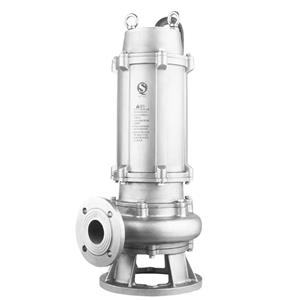
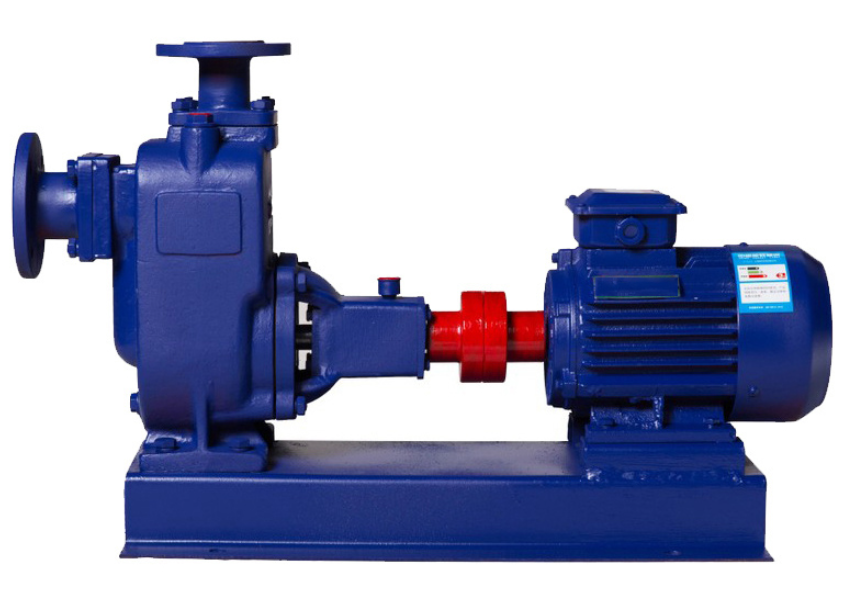
The longevity and reliability of a submersible sewage pump are directly determined by its construction materials and ability to handle the intended sewage composition. Sewage varies significantly, from relatively clean greywater to abrasive industrial sludge or stringy waste containing rags and fibers. For pumps handling solids, the impeller type is a critical differentiator. Vortex impellers are excellent for handling large solids and stringy materials with a lower risk of clogging, while channel impellers offer higher efficiency for medium-sized solids. Grinder pumps, which cut solids into smaller pieces, are ideal for pressure sewer systems where pipe diameter is limited. The pump's material must be selected based on corrosion resistance. Cast iron pumps are cost-effective for standard municipal wastewater, but stainless steel (e.g., 304 or 316) or duplex stainless steel models are mandatory for aggressive environments like industrial effluent, saltwater, or wastewater with high chloride concentrations. The seal system is another vital component; double mechanical seals with an oil-filled chamber provide superior protection against leakage, ensuring the motor remains dry and functional even under demanding conditions.
Considering Application Scenarios and Operational Features
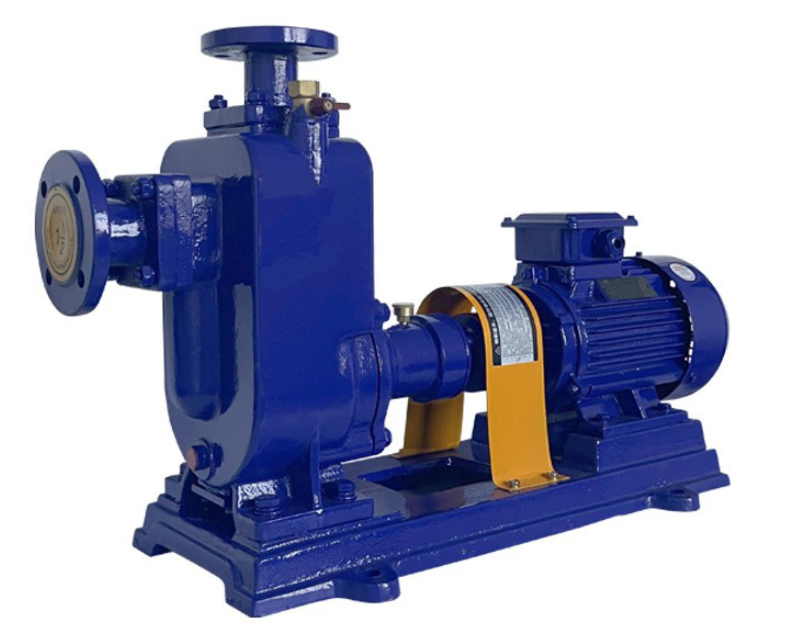
The final selection criteria involve aligning the pump's features with the specific application scenario and desired operational functionality. For continuous operation in a main sewage pumping station, a heavy-duty, high-efficiency pump designed for 24/7 operation is required. In contrast, a backup or standby pump may prioritize reliability and quick start-up over peak efficiency. For installations in deep sumps, pumps with built-in thermal sensors and moisture detection probes are critical for real-time monitoring and automatic fault protection, preventing catastrophic failures. Features like an automatic coupling system facilitate easier installation and maintenance by allowing the pump to be guided in and out of the discharge pipe without requiring personnel to enter the wet well. For remote or unmanned sites, pumps compatible with smart controllers that offer remote monitoring, alarm notifications (e.g., via SMS or email), and data logging become invaluable for proactive maintenance. Ultimately, the choice should also factor in the manufacturer's reputation, availability of spare parts, and the quality of after-sales service to ensure long-term, trouble-free operation.
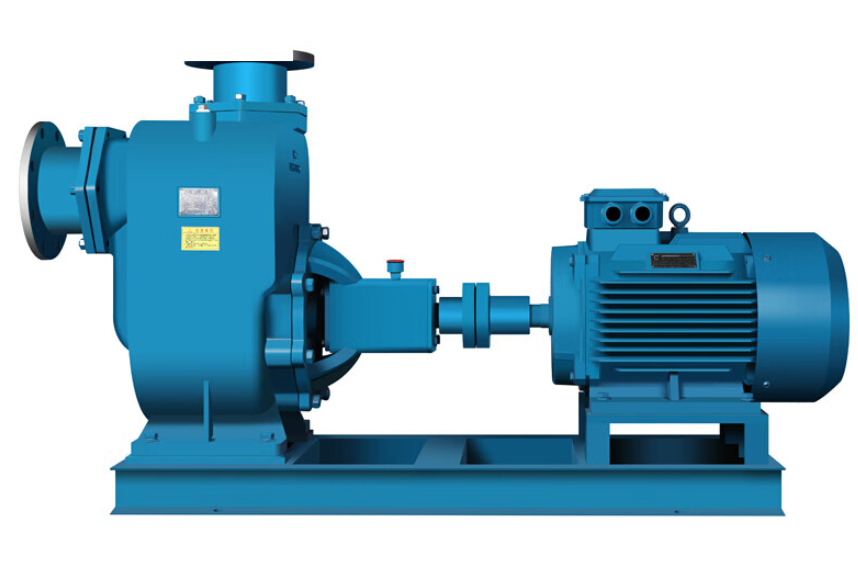
Selecting the right submersible sewage pump is a multifaceted decision that balances technical specifications, material compatibility, and operational needs. A thorough analysis of the flow rate, head requirements, and sewage characteristics ensures the pump is correctly sized and constructed for the task. By carefully considering the application environment and leveraging advanced features for monitoring and control, users can achieve a solution that delivers not only immediate performance but also long-term reliability and cost-effectiveness, safeguarding their water management systems for years to come.