Advantages of Gaotian's Solar Water Pumps for Off-Grid Applications
Advantages of Gaotian's Solar Water Pumps for Off-Grid Applications
Energy Independence and Operational Cost Elimination
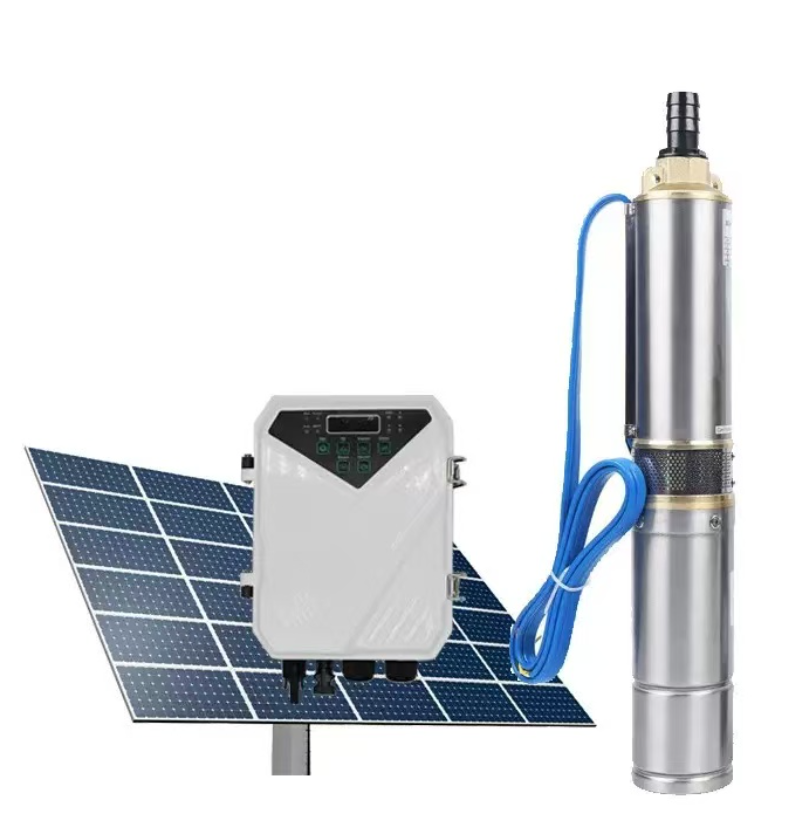
The paramount advantage of Gaotian's solar water pumps in off-grid scenarios is the liberation from conventional energy infrastructures and their associated costs. These systems are powered directly by photovoltaic (PV) panels, converting abundant solar radiation into electrical energy to drive the pump. This design eliminates the need for connection to the electrical grid or reliance on diesel generators, making them ideal for remote farms, rural villages, pastures, and island locations where grid power is unavailable or prohibitively expensive to extend. Once the initial investment in the solar array, pump, and controller is made, the operational "fuel"—sunlight—is entirely free. This translates to a drastic reduction, often to zero, in ongoing electricity or diesel fuel expenses. Furthermore, it shields users from the volatility of fuel prices and grid tariff fluctuations. Gaotian’s systems are engineered for this autonomy, featuring high-efficiency motors and pumps that maximize water output per watt of solar power, ensuring reliable water supply without recurring energy bills, thereby offering a rapid return on investment and long-term economic sustainability.
Reliable, Low-Maintenance Operation in Harsh Environments
Gaotian solar water pumps are built for durability and minimal upkeep, which is critical for off-grid sites where technical service may be scarce. The systems utilize robust, corrosion-resistant materials suitable for outdoor exposure. A key feature is their operational simplicity: with no fuel to store, handle, or risk of contamination, and no complex internal combustion engine with moving parts like pistons and valves that require regular maintenance (oil changes, filter replacements, etc.). The pumps, often utilizing brushless DC or permanent magnet synchronous motor technology, have fewer wearing parts compared to traditional alternatives, leading to higher reliability and longer service intervals. The system intelligence is embedded in the solar pump controller, which provides crucial functions like dry run protection, soft start to reduce mechanical stress, and Maximum Power Point Tracking (MPPT). MPPT technology is vital as it continuously optimizes the match between the solar panels and the pump motor, extracting the maximum available solar power even under partial cloud cover or low-light conditions, ensuring consistent water flow throughout the day. This combination of rugged hardware and smart electronics ensures dependable, "set-and-forget" operation with minimal intervention.
Environmental Sustainability and Versatile Application Scaling
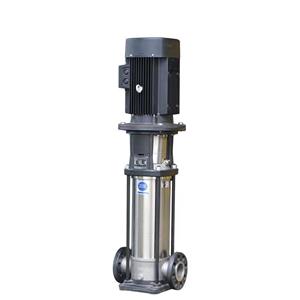
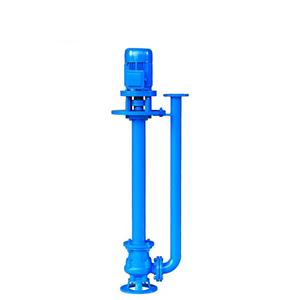
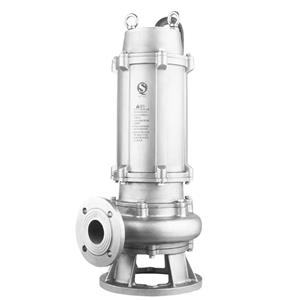
Beyond economic and practical benefits, Gaotian’s solar pumping solutions offer a profoundly eco-friendly alternative. They produce zero direct carbon emissions, noise pollution, or risk of ground fuel spills during operation, preserving local environmental quality and contributing to global carbon reduction goals. Their modular and scalable nature is a significant advantage. Systems can be precisely sized to match specific water needs (e.g., for household use, livestock watering, or crop irrigation) and solar resource availability, from a few hundred watts for a small fountain or drinking water supply to several kilowatts for large-scale agricultural irrigation. Gaotian provides a range of pump types, including submersible models for deep wells and surface pumps for rivers or ponds, compatible with solar power. This scalability allows for phased deployment, starting with a core system that can be expanded later as needs grow or budgets allow. The clean, quiet, and modular operation makes Gaotian solar pumps a cornerstone technology for sustainable agricultural development, rural water supply projects, and ecological conservation efforts worldwide, aligning water access directly with renewable energy.
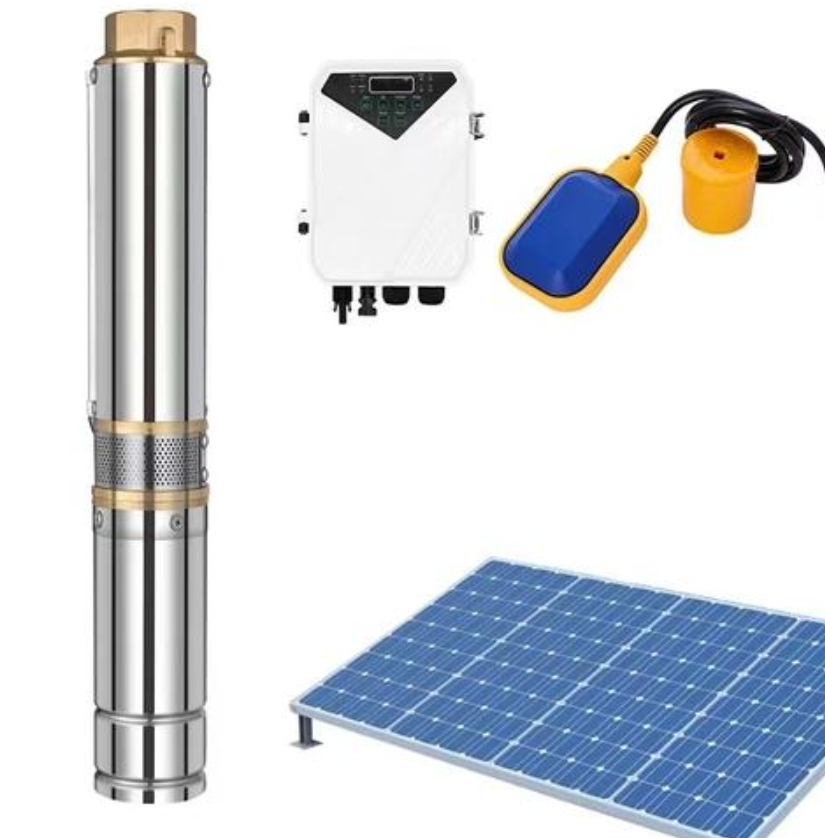
In conclusion, Gaotian's solar water pumps present a compelling trifecta of advantages for off-grid applications: they deliver complete energy independence and eliminate ongoing fuel costs, provide reliable and low-maintenance service in remote locations through robust and intelligent design, and promote environmental stewardship through clean, silent, and scalable operation. By harnessing free solar energy to address critical water needs, they offer not just a piece of equipment, but a sustainable, cost-effective, and future-proof water solution that empowers communities and operations beyond the reach of conventional power grids.