Analysis of the Internal Structure and Working Principle of a Gaotian High-Efficiency Centrifugal Pump
Analysis of the Internal Structure and Working Principle of a Gaotian High-Efficiency Centrifugal Pump
Deconstructing the Core Components: A Symphony of Precision Engineering
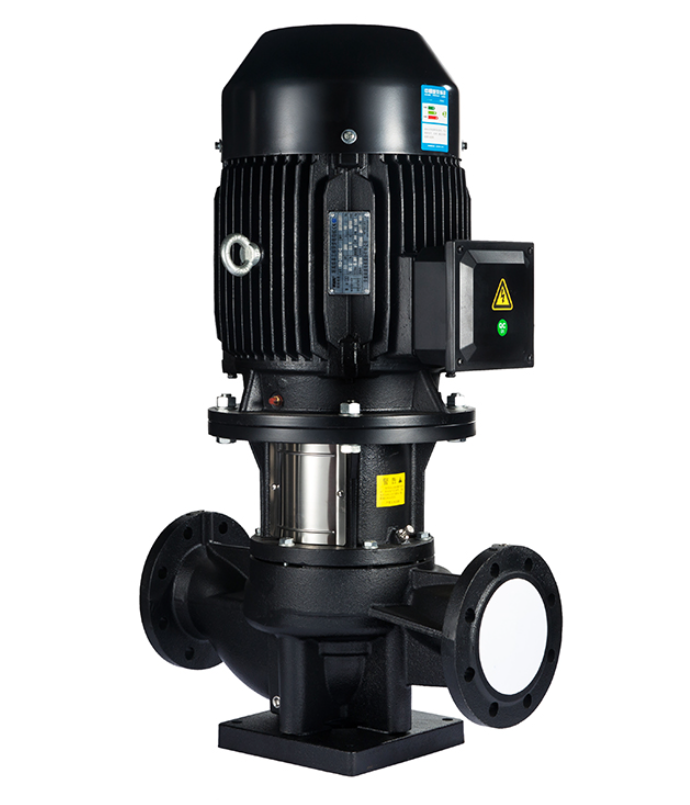
The exceptional performance of a Gaotian high-efficiency centrifugal pump originates from its meticulously engineered internal architecture. At its heart lies the impeller, a rotating disk with precisely curved blades (vanes) enclosed within a volute casing. The impeller, directly mounted on the motor shaft, is the primary energy-transfer component. Fluid enters axially through the suction inlet (or eye of the impeller) and is captured by the impeller vanes. Surrounding the impeller is the volute, a spiral-shaped casing whose cross-sectional area gradually expands towards the discharge outlet. This unique design is critical for efficient energy conversion. Key to minimizing internal leakage and maintaining pressure are the wear rings (or casing rings) installed at strategic clearances between the impeller and the pump casing. The entire rotating assembly, including the shaft and impeller, is supported by heavy-duty bearings designed for radial and axial loads, ensuring smooth, vibration-free operation. The shaft seal, typically a high-quality mechanical seal or gland packing, prevents process fluid from leaking along the shaft where it exits the casing. Each of these components is manufactured to exacting tolerances using advanced techniques, ensuring optimal alignment and minimal internal energy losses from the start.
The Working Principle: Converting Kinetic Energy to Pressure
The operation of a Gaotian centrifugal pump is a masterful application of fundamental physics. When the pump is primed and the motor energized, the impeller begins to rotate at high speed. This rotation imparts a strong centrifugal force to the fluid trapped within the impeller channels. The fluid is flung radially outward from the impeller eye towards the periphery, gaining significant kinetic energy (velocity) in the process. As this high-velocity fluid is discharged into the surrounding volute chamber, a key transformation occurs. The volute’s progressively expanding cross-section acts as a diffuser, deliberately slowing down the fluid’s velocity. According to Bernoulli’s principle, as the velocity decreases, the fluid’s kinetic energy is converted into pressure energy (head). This controlled conversion is the essence of the pump's function. Simultaneously, as fluid is expelled, a region of lower pressure is created at the impeller eye (suction inlet), which draws in more fluid from the supply line in a continuous cycle. Gaotian’s design optimization ensures this process happens with minimal hydraulic shock, recirculation, or turbulence, maximizing the proportion of input power converted into useful fluid pressure and flow.
The Hallmarks of High Efficiency: Advanced Hydraulic and Mechanical Design
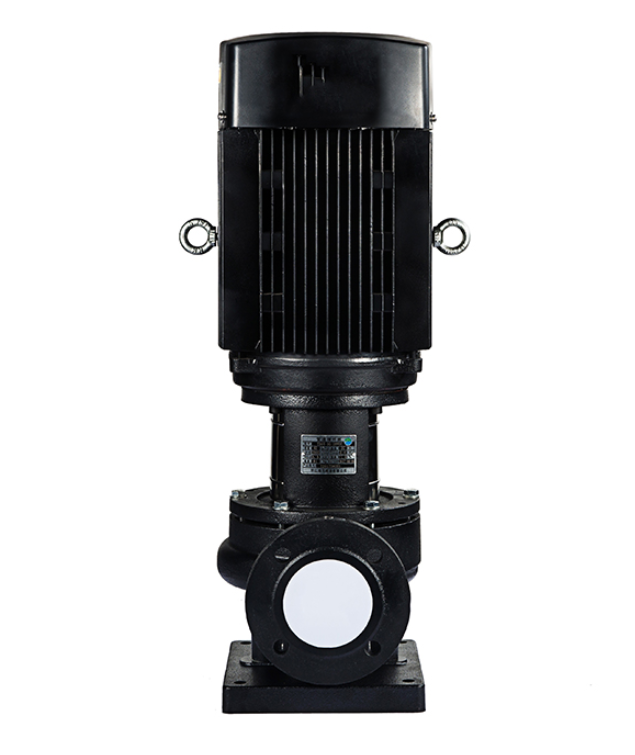
What distinguishes a Gaotian high-efficiencycentrifugal pump from a standard model is the integrated application of advanced design features that minimize energy losses. Hydraulically, the impeller vane geometry is optimized using Computational Fluid Dynamics (CFD) analysis. This creates a perfectly contoured flow path that guides water smoothly, reducing friction, vortexing, and incidence losses. The volute casing is designed to match the impeller discharge perfectly, ensuring efficient kinetic energy conversion with minimal shock loss. Mechanically, efficiency is preserved through precision manufacturing. Tightly controlled clearances at the wear rings drastically reduce internal slippage (recirculation) of fluid from the high-pressure discharge back to the low-pressure suction area. High-grade, low-friction ball bearings minimize mechanical losses. Furthermore, the pump is dynamically balanced as a complete rotor assembly to eliminate vibration—a major source of wasted energy and component wear. The culmination of these design elements—optimized hydraulics, minimal internal leakage, and reduced mechanical friction—results in a pump that operates closer to its Best Efficiency Point (BEP), consuming less electrical power to deliver the same flow and head, thereby directly lowering operational costs.
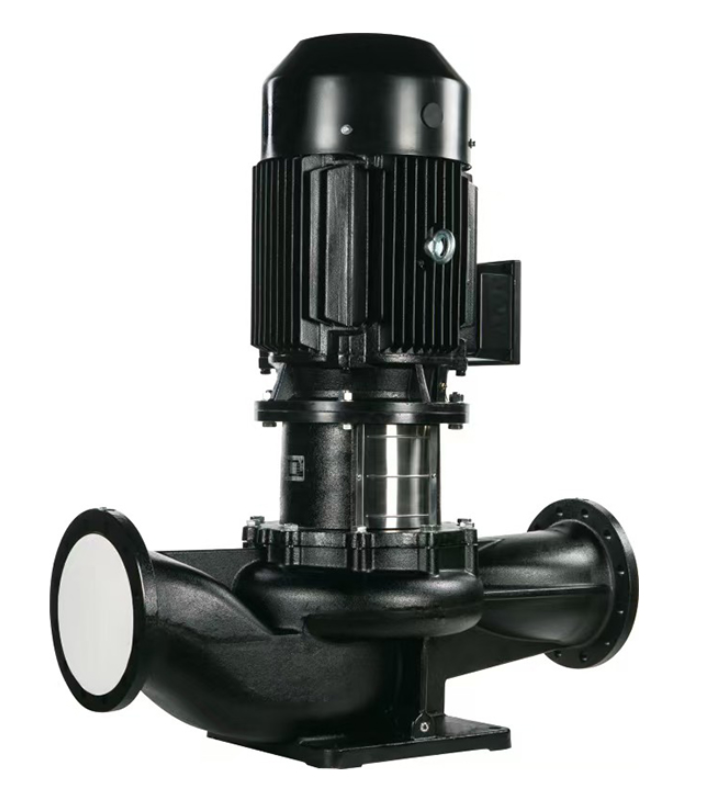
In essence, the superior performance of a Gaotian high-efficiency centrifugal pump is the direct result of a harmonious integration of its precision-engineered internal components, the effective conversion of kinetic energy to pressure via the impeller-volute system, and a relentless focus on advanced hydraulic and mechanical design to minimize losses. This deep understanding and optimization of the fundamental pump architecture enable Gaotian pumps to deliver reliable flow and pressure with significantly reduced energy consumption, offering both operational excellence and long-term economic and environmental benefits.