Comparing Gaotian’s Standard vs. Corrosion-Resistant Pump Models
Comparing Gaotian’s Standard vs. Corrosion-Resistant Pump Models
Core Material Selection: The Foundation of Application Suitability
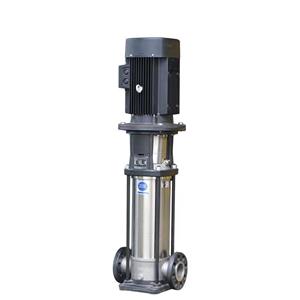
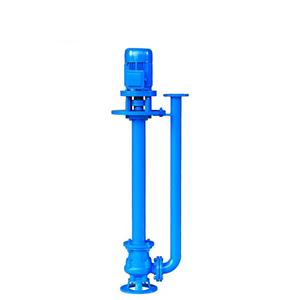
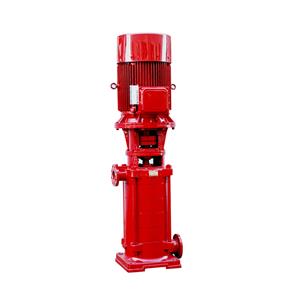
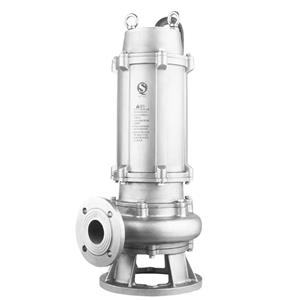
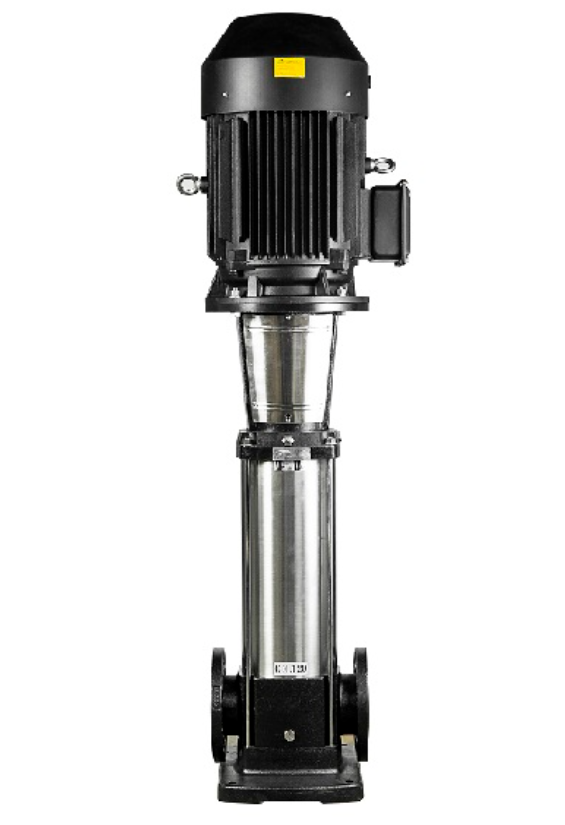
The fundamental distinction between Gaotian’s standard and corrosion-resistant pump models lies in the strategic selection of construction materials, which dictates their ideal operating environments. Gaotian’s standard pumps are typically engineered with robust, cost-effective materials like high-grade cast iron or ductile iron for the casing, impeller, and shaft. These materials provide excellent mechanical strength, durability, and wear resistance for general-purpose applications involving clean, non-aggressive fluids such as municipal water, cooling tower circuits, irrigation, and general industrial water transfer. Their design prioritizes efficiency, reliability, and value for high-volume, low-corrosivity services. In contrast, Gaotian’s corrosion-resistant pumps are constructed with alloys specifically chosen to withstand chemical attack. Wetted parts are commonly made from 304 or 316 stainless steel, with options for more specialized alloys like duplex steel or Hastelloy for extreme conditions. The choice of a corrosion-resistant model is imperative when handling seawater, acidic or alkaline chemicals, brines, certain process fluids, or wastewater with high chloride content. Selecting the correct material grade is the primary defense against premature failure, ensuring the pump’s integrity matches the fluid’s corrosivity.
Performance, Longevity, and Total Cost of Ownership (TCO) Trade-offs
While material choice directly influences purchase price, the true economic comparison extends to performance, service life, and maintenance—the Total Cost of Ownership (TCO). Gaotian’s standard models offer a lower initial capital investment and are highly efficient for their intended duties, leading to low operating costs in compatible applications. Their wear resistance is excellent against particulate matter in clean fluids. However, exposing them to corrosive media leads to rapid deterioration—rust, pitting, and erosion—resulting in frequent seal failures, impeller imbalance, catastrophic breakdowns, and severe fluid contamination. Gaotian’s corrosion-resistant models command a higher upfront cost but are engineered for longevity in harsh environments. Their passive oxide layer (like the chromium oxide layer in stainless steel) self-repairs, providing continuous protection. This translates to vastly extended mean time between failures (MTBF), reduced unplanned downtime, lower spare parts consumption, and protection of the process fluid purity. For corrosive services, the TCO of a corrosion-resistant pump is almost always lower over its lifespan despite the higher sticker price. The key is accurate application analysis: using a standard pump for a corrosive duty is a costly error, while overspecifying a corrosion-resistant pump for a simple water duty is an unnecessary capital expense.
Application-Specific Design and Sealing Considerations
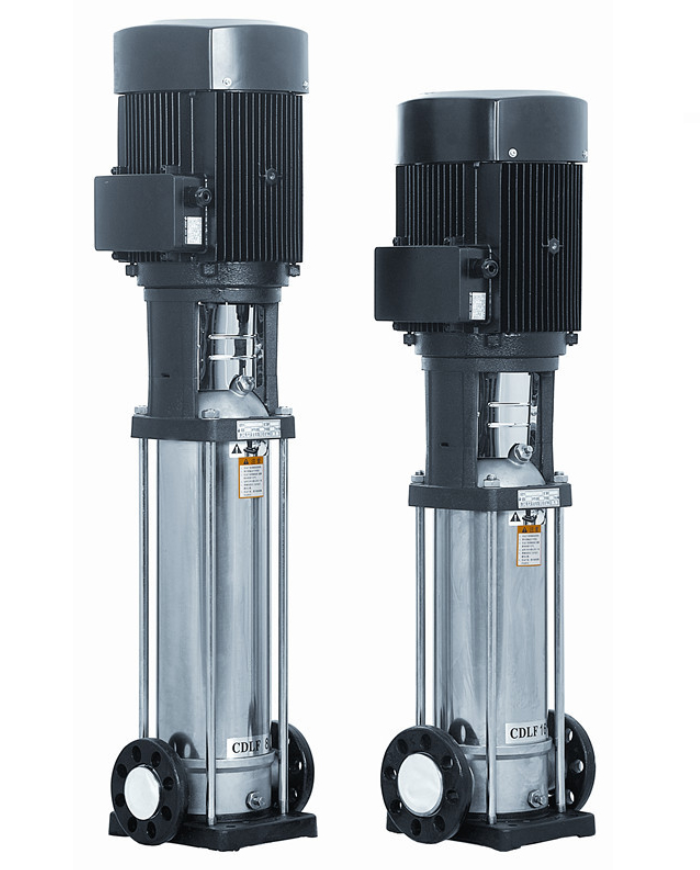
The material divergence extends beyond the main castings to encompass all wetted components and sealing systems, which are tailored for the application spectrum. In Gaotian’s standard pumps, components like wear rings, shafts sleeves, and standard mechanical seals or gland packings are selected for compatibility with neutral fluids. For corrosion-resistant pumps, every fluid-contacting part is matched to the corrosive challenge. This includes not just the pump casing and impeller, but also the shaft (often stainless or sleeved), bolts, gaskets, and the mechanical seal itself. Gaotian offers a range of seal options specifically for chemical service, such as seals with corrosion-resistant faces (silicon carbide, ceramics), PTFE bellows, and appropriate flush plans. Furthermore, corrosion-resistant models may feature design enhancements like thicker casing sections to account for potential corrosion allowance, and polished or electropolished internal surfaces to reduce adhesion and improve cleanability. This holistic, application-driven engineering ensures that the entire pump assembly—not just the major parts—is fit for purpose, guaranteeing reliability, safety, and compliance with industry standards in chemical processing, pharmaceuticals, marine, and wastewater treatment.
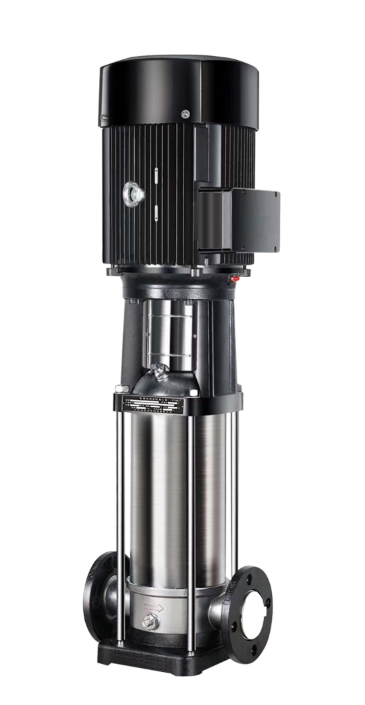
In summary, the choice between Gaotian’s standard and corrosion-resistant pumps is not merely a matter of price, but a critical application-specific engineering decision. Standard pumps excel in cost-effective, reliable service for clean water and non-corrosive fluids. Corrosion-resistant pumps, with their specialized alloy construction and tailored seals, are indispensable for longevity and safety in harsh chemical and saline environments. The correct selection, guided by a thorough analysis of the fluid properties, maximizes pump life, minimizes total cost of ownership, and ensures seamless, trouble-free operation in your specific system.