Comparing Pump Technologies: Centrifugal vs. Positive Displacement
Comparing Pump Technologies: Centrifugal vs. Positive Displacement
Fundamental Working Principles: Kinetic Energy vs. Mechanical Displacement
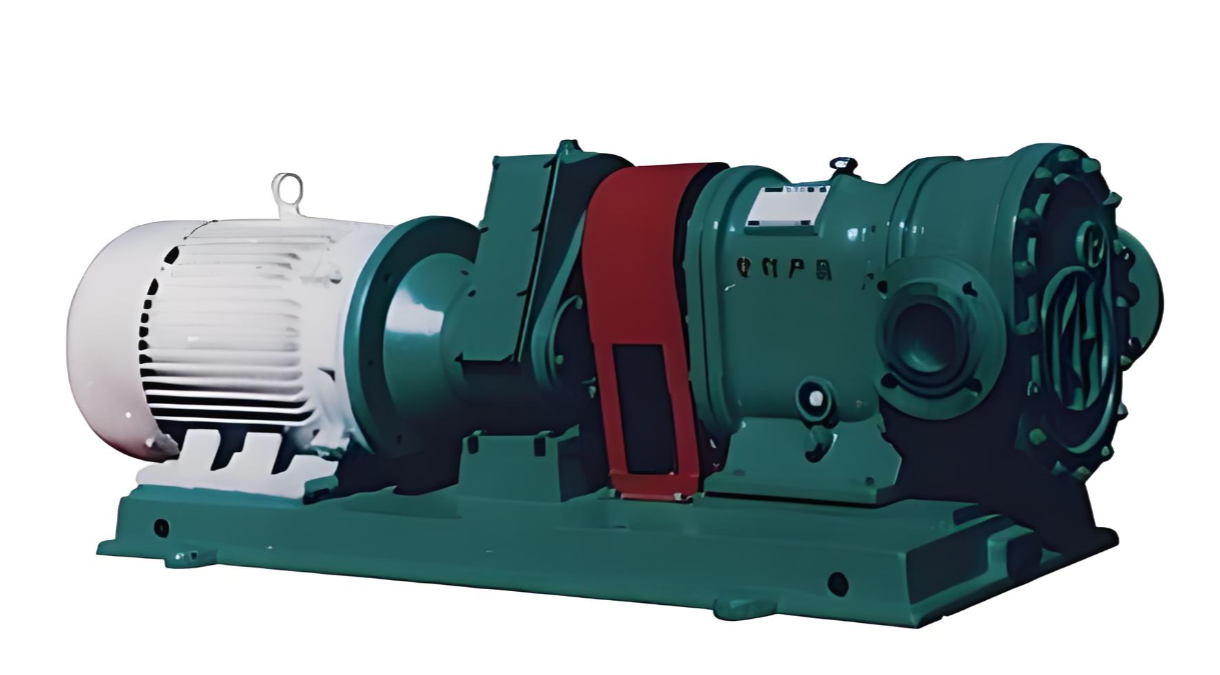
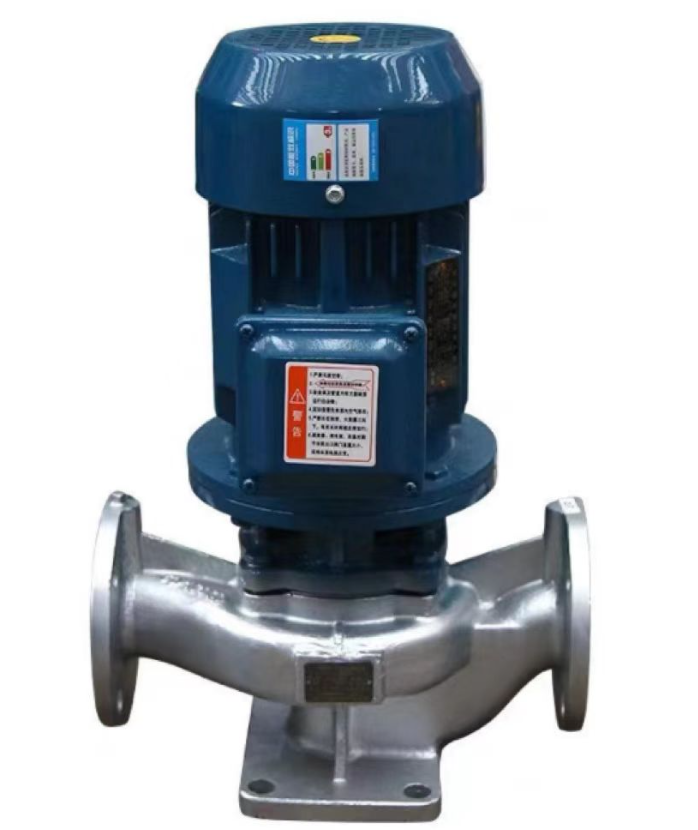
The most fundamental distinction between centrifugal and positive displacement (PD) pumps lies in their core method of moving fluid. A centrifugal pump, the most common type in industrial and building services, operates on the principle of kinetic energy transfer. An impeller rotating at high speed imparts velocity to the fluid, which is then converted into pressure (head) as it slows down within a progressively expanding volute casing. Its flow is smooth, non-pulsating, and its performance is characterized by a curve where pressure (head) decreases as flow increases. In contrast, a positive displacement pump works by mechanically trapping a fixed volume of fluid and forcing (displacing) it into the discharge pipe. This is achieved through reciprocating action (like a piston or diaphragm) or rotary action (using gears, lobes, or screws). Regardless of the resistance in the discharge line, a PD pump will try to push the same volume with each cycle, generating very high pressures if the outlet is blocked. Its flow is inherently more pulsating (especially in reciprocating types) and is primarily a function of speed and displacement volume, remaining largely constant against varying discharge pressures. This core difference in physics dictates their entire application profile.
Key Performance Characteristics and Application Suitability
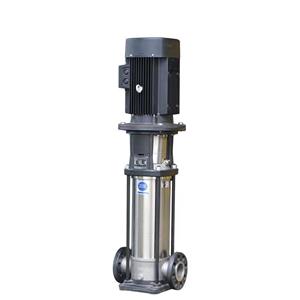
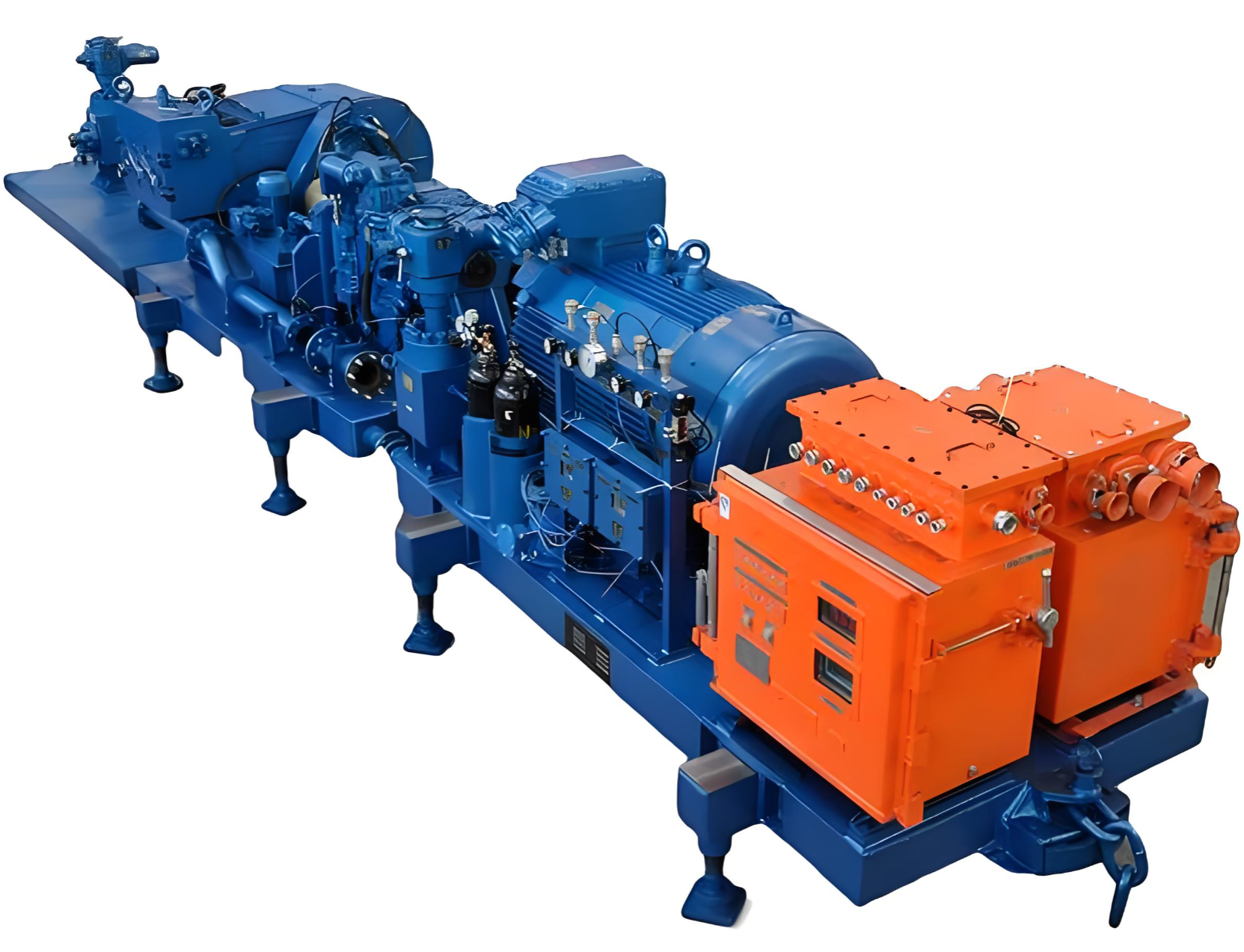
The differing principles lead to divergent performance strengths, defining where each technology excels. Centrifugal pumps (like Gaotian’s extensive range) are ideal for high-flow, low to medium-viscosity applications. They are superb for moving large volumes of clean or mildly contaminated water, such as in building water supply, HVAC circulation, irrigation, and general industrial transfer. They handle low-viscosity fluids efficiently but lose performance rapidly as viscosity increases. Their efficiency peaks at a specific point on their curve (Best Efficiency Point, BEP). Operation far from the BEP wastes energy. Positive displacement pumps excel with high-viscosity, shear-sensitive, or non-lubricating fluids. They are the choice for pumping oils, fuels, syrups, slurries, paints, and adhesives. They provide a nearly constant flow regardless of pressure (making them excellent for metering or dosing) and can develop extremely high pressures. However, they require pressure relief valves to prevent damage from over-pressure if the discharge is blocked. For clean, low-viscosity, high-volume services, centrifugal pumps are typically more energy-efficient and have a lower initial cost. For thick, sensitive, or precise-flow applications, PD pumps are indispensable.
Selection Criteria: Matching the Pump to the Fluid and Process
Choosing between centrifugal and positive displacement technology requires a systematic analysis of the application. Key selection criteria include: Fluid Properties: Viscosity is the primary dictator. Centrifugal pumps are generally suitable for water-like viscosities (~1 cP), while PD pumps handle from 1 cP to over 1,000,000 cP. Also consider abrasiveness, corrosiveness, and shear sensitivity. System Requirements: Needed flow rate and pressure (head). Centrifugal pumps offer a range of flows with variable pressure; PD pumps offer near-constant flow against variable pressure. Process Needs: Is the flow required to be steady (centrifugal) or is a controlled, pulsing flow acceptable (PD)? Is precise metering needed (PD advantage)? Operational Efficiency: For high-flow, low-head water services, a well-selected centrifugal pump will be far more efficient. For viscous fluids, a PD pump’s mechanical action is more effective. Maintenance and Cost: Centrifugal pumps often have simpler mechanics and lower maintenance, while PD pumps, with tighter tolerances and wearing elements like gears or diaphragms, may require more frequent service. Companies like Gaotian provide both technologies, offering expert guidance to ensure the pump technology aligns perfectly with the duty, optimizing both performance and total cost of ownership.
In conclusion, centrifugal and positive displacement pumps are complementary technologies, each mastering a distinct domain. Centrifugal pumps reign supreme in high-flow, low-viscosity applications like water movement, utilizing kinetic energy for efficient transfer. Positive displacement pumps are unmatched for handling viscous, shear-sensitive, or dosing-critical fluids, using mechanical displacement for consistent delivery. The correct choice hinges on a thorough analysis of fluid properties, system hydraulics, and process requirements, ensuring the selected technology—be it a Gaotian centrifugal or PD pump—delivers optimal reliability, efficiency, and value for the specific application.