Diaphragm Pump Maintenance: A Guide for Gaotian Pump Owners
Diaphragm Pump Maintenance: A Guide for Gaotian Pump Owners
Routine Inspection and Daily Operational Checks
Consistent, simple checks are the cornerstone of preventing major issues and extending the service life of your Gaotian diaphragm pump. Before and during each operation cycle, visually inspect the pump for any signs of external leakage, particularly around the fluid head, diaphragm plates, and air valve system. Listen for unusual noises such as excessive knocking, hissing (indicating an air leak), or changes in the normal rhythmic sound of the pump's operation, which could signal internal wear or pressure imbalances. Monitor the pump's performance: a noticeable drop in flow rate or discharge pressure often points to worn valves, diaphragms, or compromised seals. Ensure that the inlet strainer is clean and unobstructed to prevent cavitation and ensure smooth fluid intake. For air-operated models, verify that the air supply is clean, dry, and at the correct pressure as specified in the Gaotian manual. Keeping a basic log of performance metrics and any observed changes can help identify trends and schedule maintenance before a failure occurs. This proactive approach minimizes unplanned downtime.
Key Component Maintenance: Diaphragms, Values, and Seals
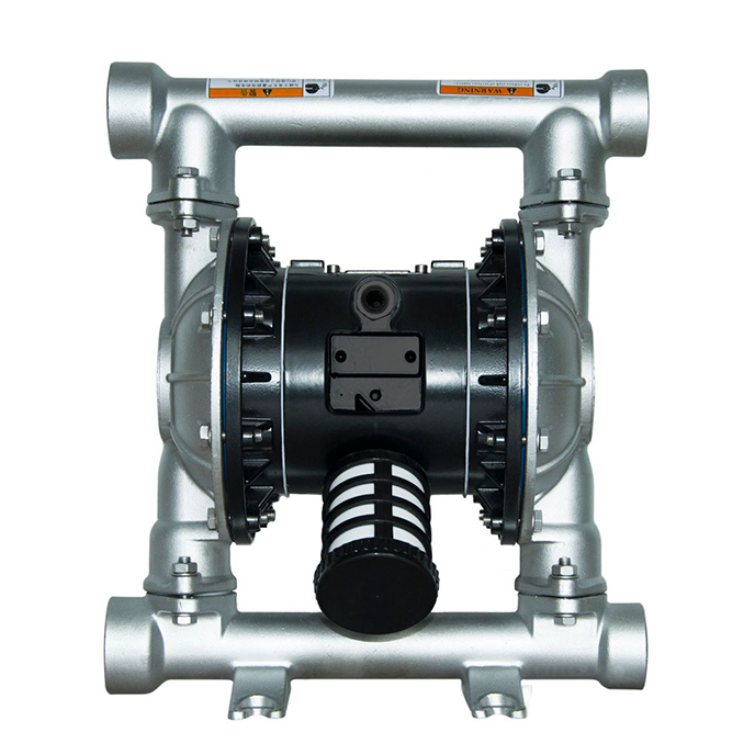
The diaphragm, valves, and seals are the consumable heart of the pump, and their scheduled replacement is critical for reliable operation. Refer to the Gaotian maintenance schedule for recommended intervals, but increase frequency if pumping abrasive, viscous, or chemically aggressive fluids. Diaphragm Inspection/Replacement: Regularly inspect the diaphragm for cracks, punctures, signs of chemical degradation, or excessive deformation. A failed diaphragm can cause fluid to leak into the air valve section (or vice versa), leading to contamination and pump failure. Always replace diaphragms in matched pairs (for double-diaphragm pumps) as per instructions to maintain balance. Valve Assembly Care: The ball valves or flap valves on the fluid side are subject to wear and fouling. Periodically disassemble and inspect valve seats, balls/flaps, and seal rings for wear, cracking, or buildup that prevents proper sealing. Clean or replace as necessary. Seal and Gasket Integrity: Check all static seals and gaskets on the fluid head and manifold during diaphragm replacement. Even minor leaks here can affect pressure and efficiency. Use only genuine Gaotian replacement kits to ensure material compatibility and dimensional accuracy, which is vital for chemical resistance and optimal pump performance.
Systematic Overhaul and Troubleshooting Common Issues
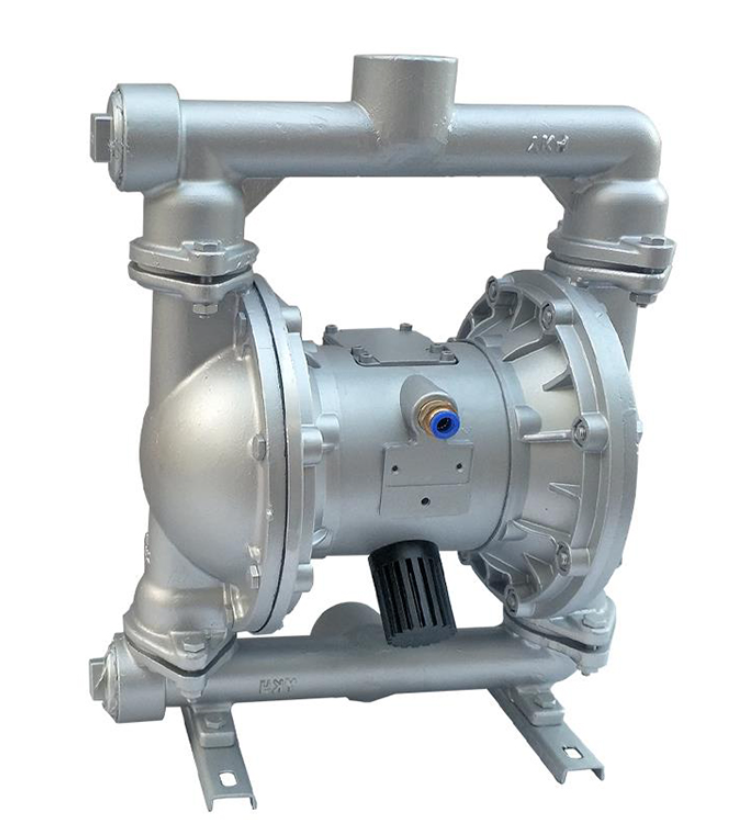
For long-term reliability, a periodic comprehensive overhaul is recommended. This involves a complete disassembly, cleaning, and inspection of all components, followed by reassembly with new wear parts. Follow the Gaotian service manual meticulously. Pay special attention to the air distribution system (spool valve or pilot valve) in air-operated pumps; clean it to ensure free movement and check for wear. Lubricate moving parts only with the recommended lubricant, if applicable. For troubleshooting, a systematic approach is key:
Pump cycles but delivers no/low flow: Likely caused by stuck, worn, or dirty inlet/outlet valves, a clogged inlet strainer, or a ruptured diaphragm.
Pump runs but stalls or cycles slowly: Often due to insufficient air supply (low pressure/volume), a restricted air valve, or excessive back pressure on the discharge side.
Excessive fluid leakage: Indicates failed diaphragm, damaged seal/gasket, or a cracked fluid head.
Unusual knocking/vibration: Can be caused by loose components, worn linkage rods, foreign material in the fluid chambers, or an imbalanced diaphragm assembly.
Always depressurize and isolate the pump from all energy sources (air, electricity, fluid) before performing any maintenance.
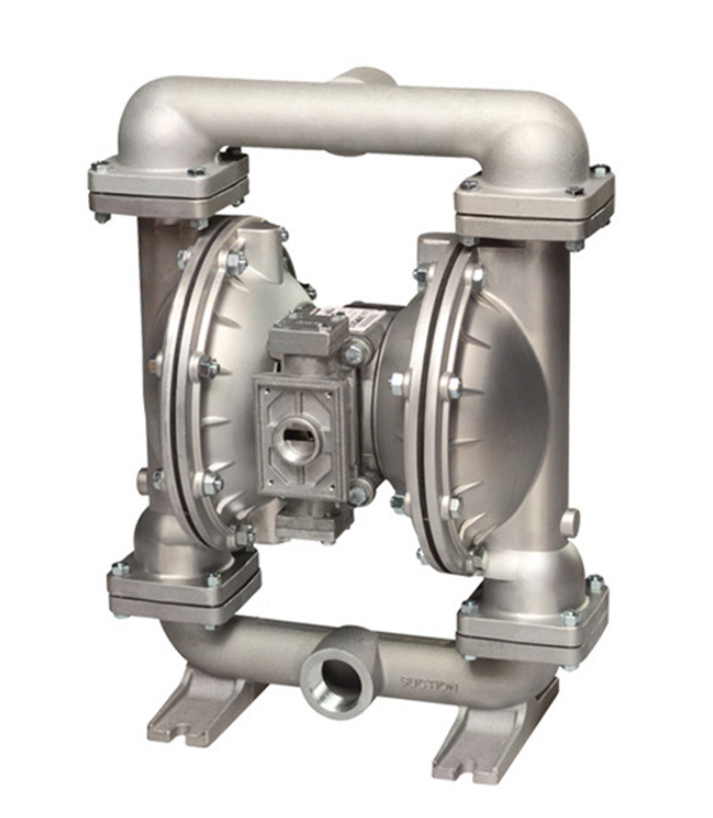
In conclusion, effective maintenance of your Gaotian diaphragm pump is a structured practice of prevention, timely component replacement, and systematic care. By adhering to daily checks, proactively replacing key wear parts like diaphragms and valves, and performing periodic overhauls, you can ensure maximum uptime, consistent performance, and an extended operational lifespan. This disciplined approach not only protects your investment but also guarantees that your Gaotian pump continues to provide reliable, efficient service in handling everything from clear water to challenging chemical slurries.