Diesel Pumps vs. Electric Water Pumps
Diesel Pumps vs. Electric Water Pumps
Mobility and Independence: The Diesel Pump Advantage
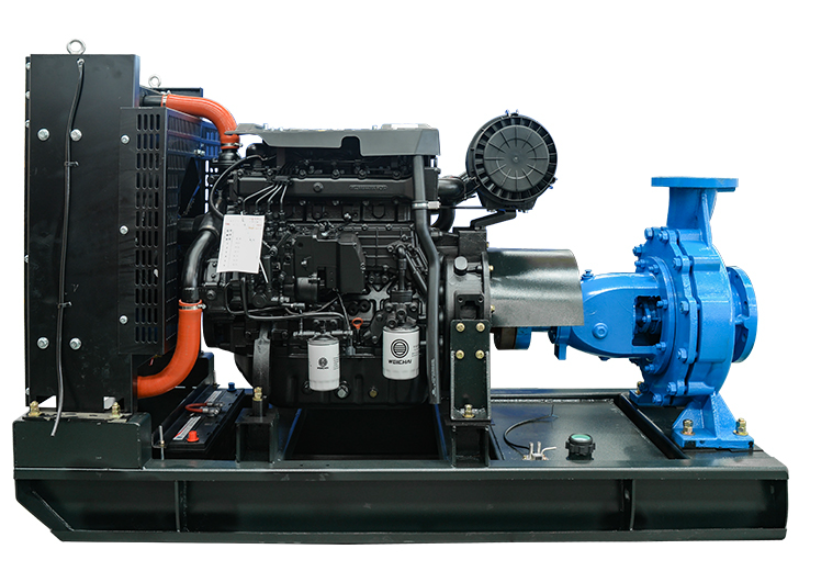
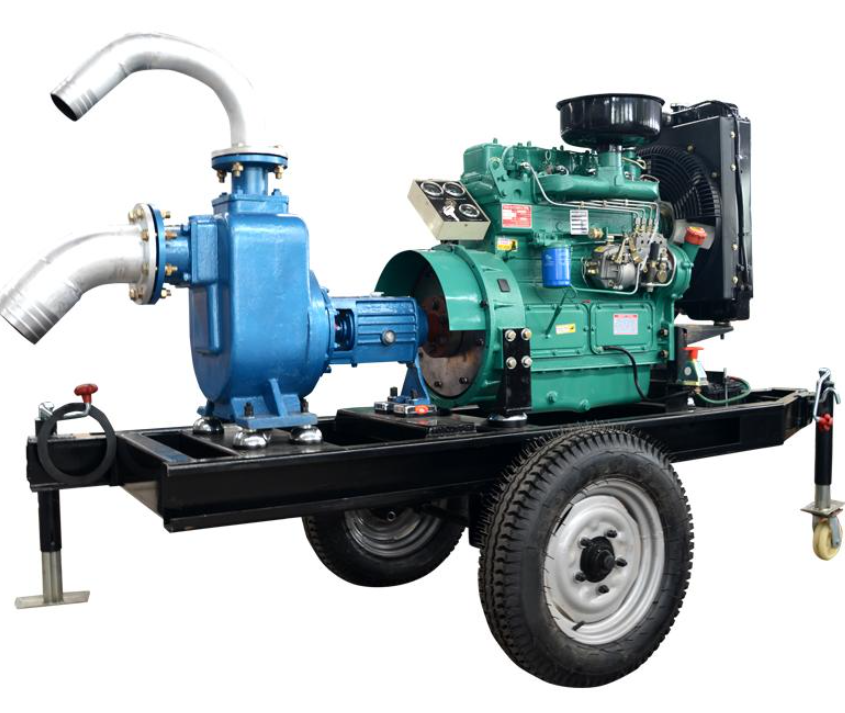
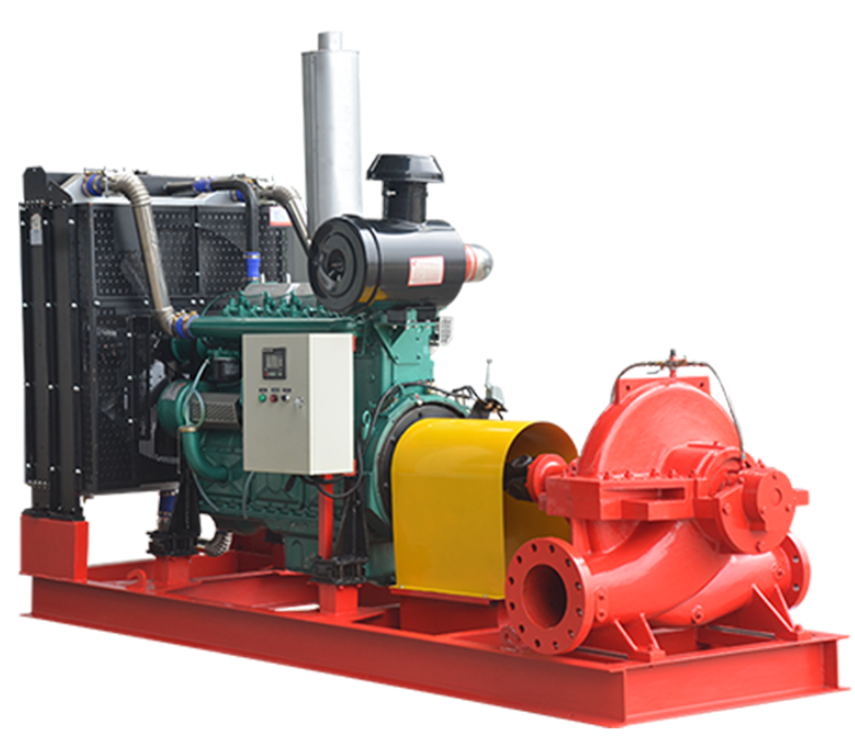
The most significant advantage of diesel-powered water pumps lies in their autonomy and mobility. Unlike electric pumps that require a connection to a stable power grid, diesel pumps are self-contained units that generate their own power. This makes them the undisputed champion for applications in remote locations, such as agricultural irrigation in fields, mining sites, and construction dewatering projects where grid power is unavailable or unreliable. Furthermore, their inherent portability allows them to be quickly deployed for emergency response scenarios, including firefighting and flood control. Shanghai Gaotian Pump's range of trailer-mounted diesel pumps exemplifies this strength, offering robust, ready-to-deploy solutions that can be towed directly to the point of need. This independence from external power sources ensures continuous operation, which is critical for time-sensitive tasks and disaster management, making diesel pumps an indispensable tool for emergency services and off-grid industries.
Operational Efficiency and Cost-Effectiveness: The Electric Pump Edge
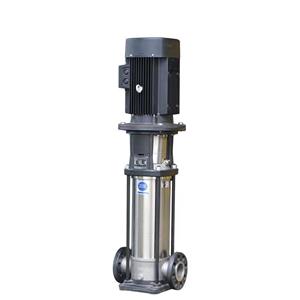
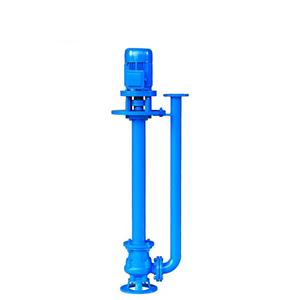
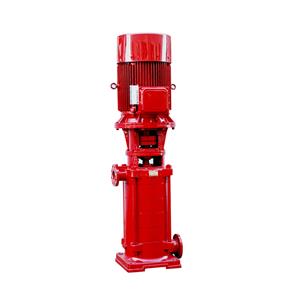
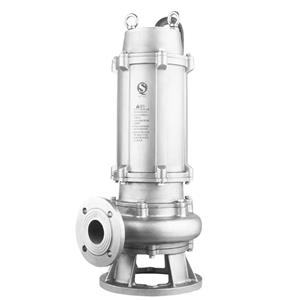
Electric water pumps hold a distinct advantage in terms of operational efficiency, noise levels, and long-term running costs. When a reliable mains power supply is accessible, electric pumps are generally more energy-efficient, converting a higher percentage of electrical input into hydraulic energy compared to the fuel combustion process of a diesel engine. This results in lower energy costs per hour of operation, especially for continuous or long-duration duties like factory circulation systems, municipal water supply, or building pressure boosting. Electric pumps, such as Gaotian's vertical multistage or submersible models, operate with significantly lower noise and vibration, making them suitable for indoor installations or noise-sensitive environments like residential areas and hospitals. They also produce zero local emissions, contributing to a better indoor air quality and aligning with environmental regulations for sustainable operations.
Making the Informed Choice: Application is Key
The decision between a diesel and an electric pump is not about which is universally better, but which is more appropriate for the specific application. Key factors to consider include the availability of a consistent power source, the required flow rate and pressure, the duration of pump operation, environmental regulations, and the total cost of ownership (including fuel/electricity, maintenance, and initial investment). For prime power in remote areas or for mobile emergency use, a diesel pump from a reliable supplier like Gaotian is the clear choice. Conversely, for fixed installations with grid power, especially those requiring quiet, clean, and continuous operation, an electric pump is more economical and practical. Some advanced systems even combine both, using electric pumps as the primary method and diesel pumps as a backup for critical fail-safe operation. Gaotian's expertise in manufacturing both pump types allows them to provide unbiased advice, ensuring customers select the optimal solution for their unique needs.
In summary, the choice between diesel and electric water pumps hinges on the specific demands of the task. Diesel pumps offer unmatched mobility and independence for off-grid and emergency applications, while electric pumps provide superior efficiency, lower noise, and reduced operational costs for stationary, grid-connected systems. Understanding these core differences enables industries to make strategic decisions, and partnering with a manufacturer like Shanghai Gaotian Pump, which offers a comprehensive range of both types, guarantees access to reliable equipment tailored to any scenario.