Electric Diaphragm Pump vs. Pneumatic Diaphragm Pump: Choosing the Right Pump for Your Application
Core Principles and Primary Advantages: Two Paths to Controlled Transfer
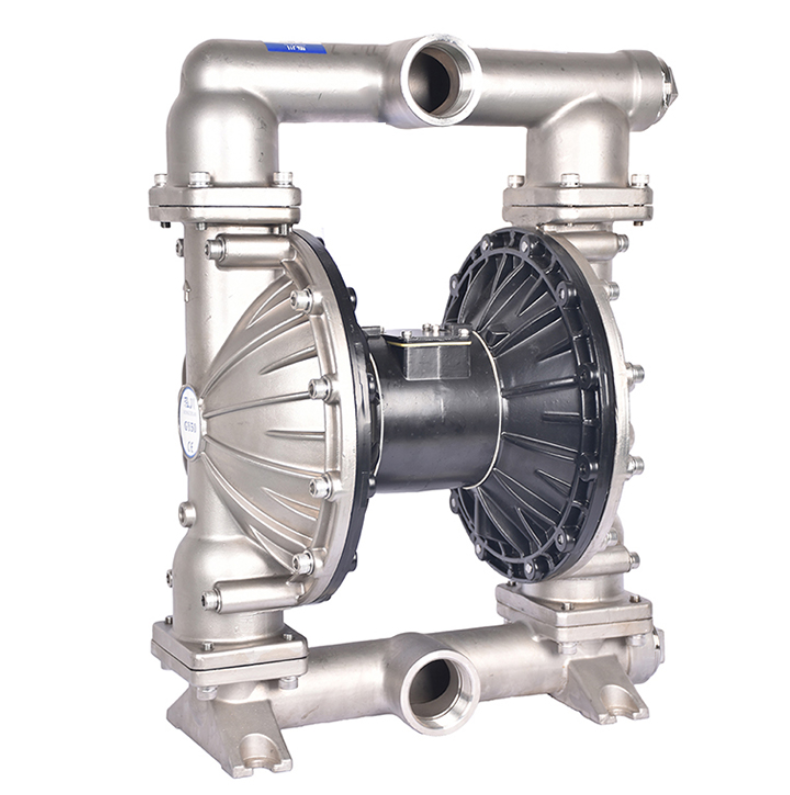
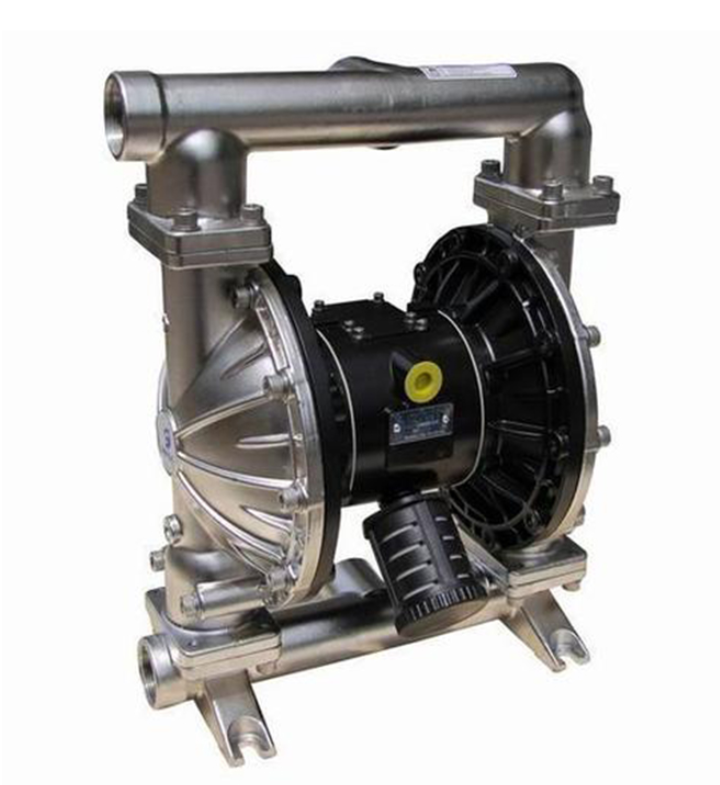
Both electric and pneumatic diaphragm pumps belong to the positive displacement pump family, utilizing a reciprocating flexible diaphragm to create a pumping action. This design makes them excellent for handling shear-sensitive, viscous, abrasive, or corrosive fluids, as the fluid is contained within the pumping chamber and isolated from moving parts. However, their driving force and operational characteristics diverge significantly. An electric diaphragm pump is powered by an electric motor connected to a mechanical crankshaft that actuates the diaphragm. Its key advantages are energy efficiency, lower operating noise, and the ability to provide a consistent flow rate at a given discharge pressure. It is a self-contained unit, requiring only a power connection, making it ideal for fixed installations with ready access to electricity. Conversely, a pneumatic (air-operated) diaphragm pump (AODD) uses compressed air as its power source. Air pressure is alternately applied to opposite sides of a piston connected to the diaphragm, causing it to reciprocate. The primary strengths of the AODD pump are its inherent safety in hazardous environments (no electric sparks, explosion-proof by design), self-priming and run-dry capability without damage, and exceptional versatility in flow and pressure control through simple air valve adjustment. It is the quintessential choice for portable, temporary, or explosion-hazardous applications.
Comparative Analysis: Performance, Control, and Operational Economics
Choosing between the two technologies requires a detailed comparison of key operational factors. In terms of flow and pressure control, electric models offer a fixed performance curve; the flow rate is relatively constant for a given pressure, adjusted by motor speed control (often via a VFD). Pneumatic pumps offer infinitely variable control: flow and pressure are easily adjusted by throttling the incoming air supply, allowing the pump to be "tuned" on the fly. For energy efficiency, electric pumps generally have a significant advantage. They convert electrical energy directly to mechanical motion with high efficiency, whereas pneumatic pumps suffer from the inherent energy losses of compressing air (only about 20-30% of the electrical energy used by the compressor reaches the pump as useful work). This makes electric pumps vastly more economical for continuous, high-duty cycle operations. Regarding initial and operating costs, AODD pumps often have a lower upfront purchase price and simpler mechanics. However, their long-term cost is dominated by compressed air generation, which is expensive. Electric pumps have a higher initial cost but much lower lifetime energy costs, especially for stationary applications. Pneumatic pumps excel in handling complex fluids with high solid content or extremely high viscosity, as air pressure can be increased to overcome higher system resistance without risk of motor overload.
Application-Based Selection and the Gaotian Solution Spectrum
The correct choice is dictated by the application's specific demands. Choose an electric diaphragm pump for: Fixed process lines (chemical dosing, filtration, circulation), Energy-conscious facilities with continuous operation, applications requiring quiet operation (e.g., in labs or near offices), and situations with readily available power but no compressed air infrastructure. Choose a pneumatic (AODD) pump for: Hazardous or explosive atmospheres (paint spray booths, fuel transfer, chemical plants with flammable vapors), Portable or intermittent-duty tasks (drum emptying, site dewatering), Heavy slurry or viscous material transfer (wastewater sludge, adhesives, paints), and facilities with existing, abundant compressed air but limited electrical capacity. A manufacturer like Gaotian Pump provides robust options in both categories. Their electric diaphragm pumps feature efficient motors, durable gear mechanisms, and a range of diaphragm/valve materials (like PTFE, EPDM, Viton) for chemical compatibility. Their AODD pumps are built for rugged reliability, with optimized air valve designs for smooth operation and low air consumption. By offering both technologies, Gaotian enables a bias-free selection based purely on technical and economic merit, ensuring you get the most effective and cost-efficient pump for your exact fluid transfer challenge.
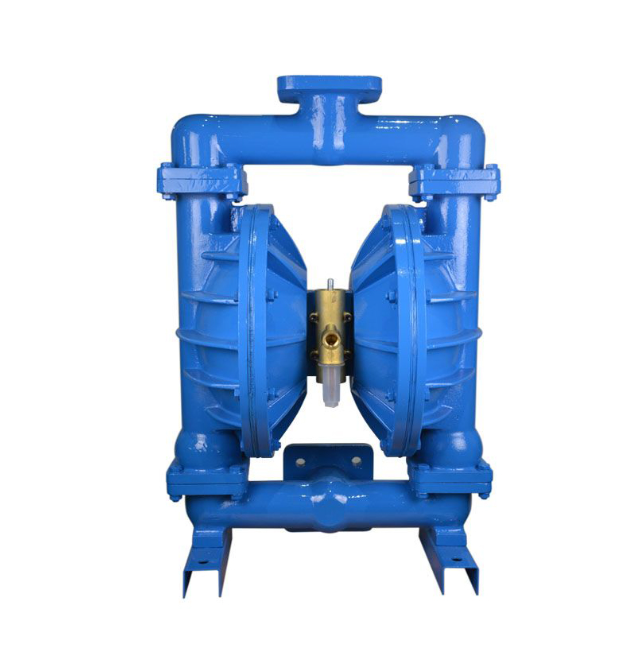
In conclusion, the choice between electric and pneumatic diaphragm pumps is not a matter of superiority, but of suitability. Electric diaphragm pumps offer quiet, efficient, and economical operation for fixed, powered installations. Pneumatic diaphragm pumps provide unmatched safety, versatility, and dry-run capability for portable, hazardous, or heavy-duty slurry applications. By carefully evaluating your site's power availability, safety requirements, fluid characteristics, and duty cycle, and consulting with a full-range provider like Gaotian, you can confidently select the diaphragm pump technology that delivers optimal performance, reliability, and total cost-effectiveness for your specific operational needs.