Fire Fighting Pumps: Standards and Performance Metrics
Fire Fighting Pumps: Standards and Performance Metrics
International Standards: NFPA 20 and Global Compliance
Fire fighting pumps are governed by stringent international standards that dictate their design, testing, and installation to ensure absolute reliability during emergencies. The most widely recognized benchmark is NFPA 20: Standard for the Installation of Stationary Pumps for Fire Protection, published by the National Fire Protection Association. This comprehensive standard specifies requirements for pump performance, driver options (electric motor, diesel engine), controller functionality, and ancillary equipment. Compliance with NFPA 20 is not merely a recommendation but a legal requirement in many jurisdictions for commercial and industrial buildings. Key mandates include the pump's ability to achieve 150% of its rated capacity at a minimum of 65% of its rated pressure, ensuring a substantial safety margin. Beyond NFPA, other critical standards include UL (Underwriters Laboratories) and FM (Factory Mutual) Global approvals, which involve rigorous third-party testing for performance and safety. For markets outside North America, EN 12845 in Europe and local certifications like CCC in China are equally critical. Understanding and adhering to these standards is the foundational step in selecting a pump that will be approved by authorities having jurisdiction (AHJs) and, most importantly, perform as expected in a fire scenario.
Critical Performance Metrics: Flow, Pressure, and Power
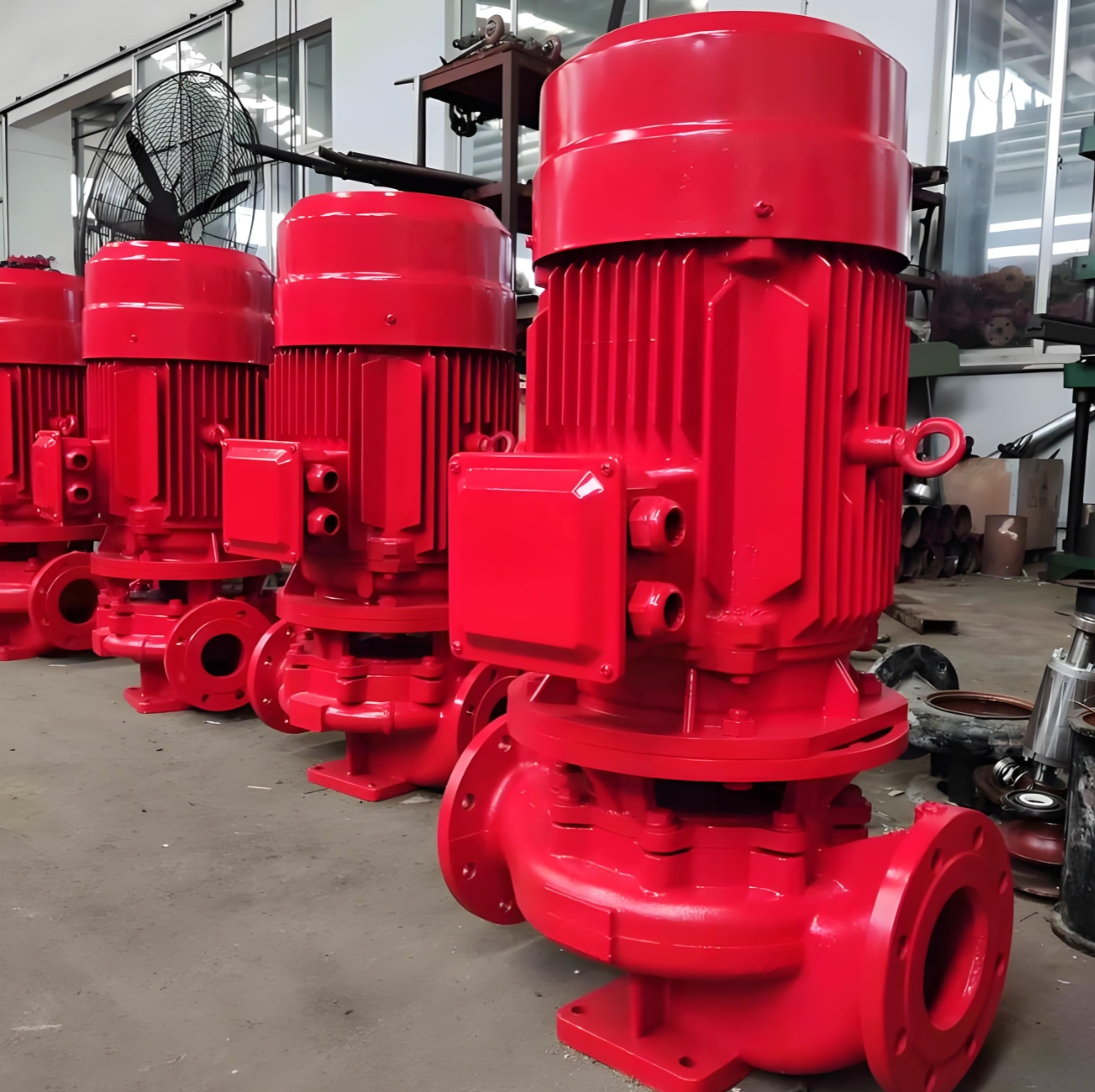
The operational efficacy of a fire fighting pump is quantified by three core performance metrics: flow, pressure, and power. Flow rate, measured in liters per minute (L/min) or gallons per minute (GPM), defines the volume of water the pump can deliver to the fire suppression system (e.g., sprinklers, hydrants). The required flow is calculated based on the building's hazard classification (Light Hazard, Ordinary Hazard, Extra Hazard). Pressure, measured in bar or pounds per square inch (PSI), is the force that propels water through the piping network and ensures adequate discharge at the sprinkler head or monitor nozzle. The pump must overcome pressure losses from friction in pipes, elevation changes, and the required pressure at the most remote sprinkler. The relationship between flow and pressure is depicted on a pump performance curve, which must be carefully analyzed to ensure the pump's characteristic curve meets the system demand curve. Power, provided by an electric motor or a diesel engine, must be sufficient to drive the pump to its rated point and beyond. Diesel engines, crucial for backup power, must themselves comply with standards like NFPA 20 for cold weather starting, fuel tank capacity, and controller sequencing. These metrics are interdependent and non-negotiable for effective fire suppression.
Selection, Installation, and Maintenance for Reliability
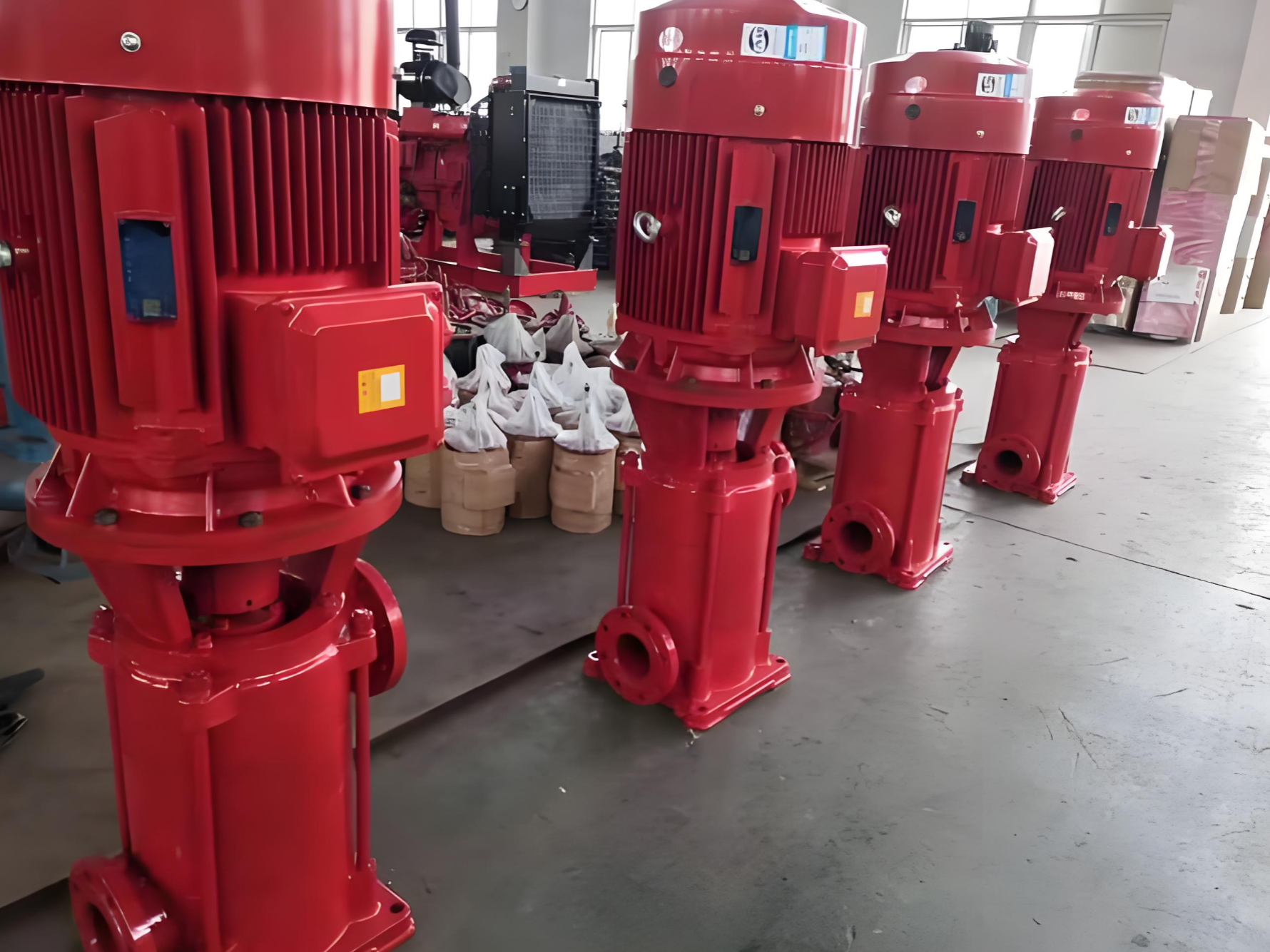
Selecting the right fire pump involves matching its performance to the specific system's hydraulic demands, but its ultimate reliability is cemented by proper installation and a rigorous maintenance regimen. Selection criteria extend beyond basic metrics to include the water source (city main, storage tank), power supply reliability, and environmental conditions (indoor vs. outdoor installation). For primary power, electric motors are common, but a diesel-driven pump is mandated as a backup to ensure operation during power outages. Jockey pumps, small auxiliary pumps, are also critical for maintaining system pressure and preventing main pump cycling due to minor leaks. Installation must strictly follow NFPA 20 guidelines, covering aspects like suction piping design to avoid cavitation, foundation requirements, and room ventilation for diesel engines. However, the most crucial factor for long-term reliability is a preventive maintenance schedule. This includes weekly no-flow churn tests to ensure the pump starts and runs, annual full-flow performance tests to verify it meets original specifications, and meticulous checks of controllers, fuel systems, and alarms. A well-maintained fire pump is a silent guardian that remains ready for its decade-long service life, while a neglected one is a liability.
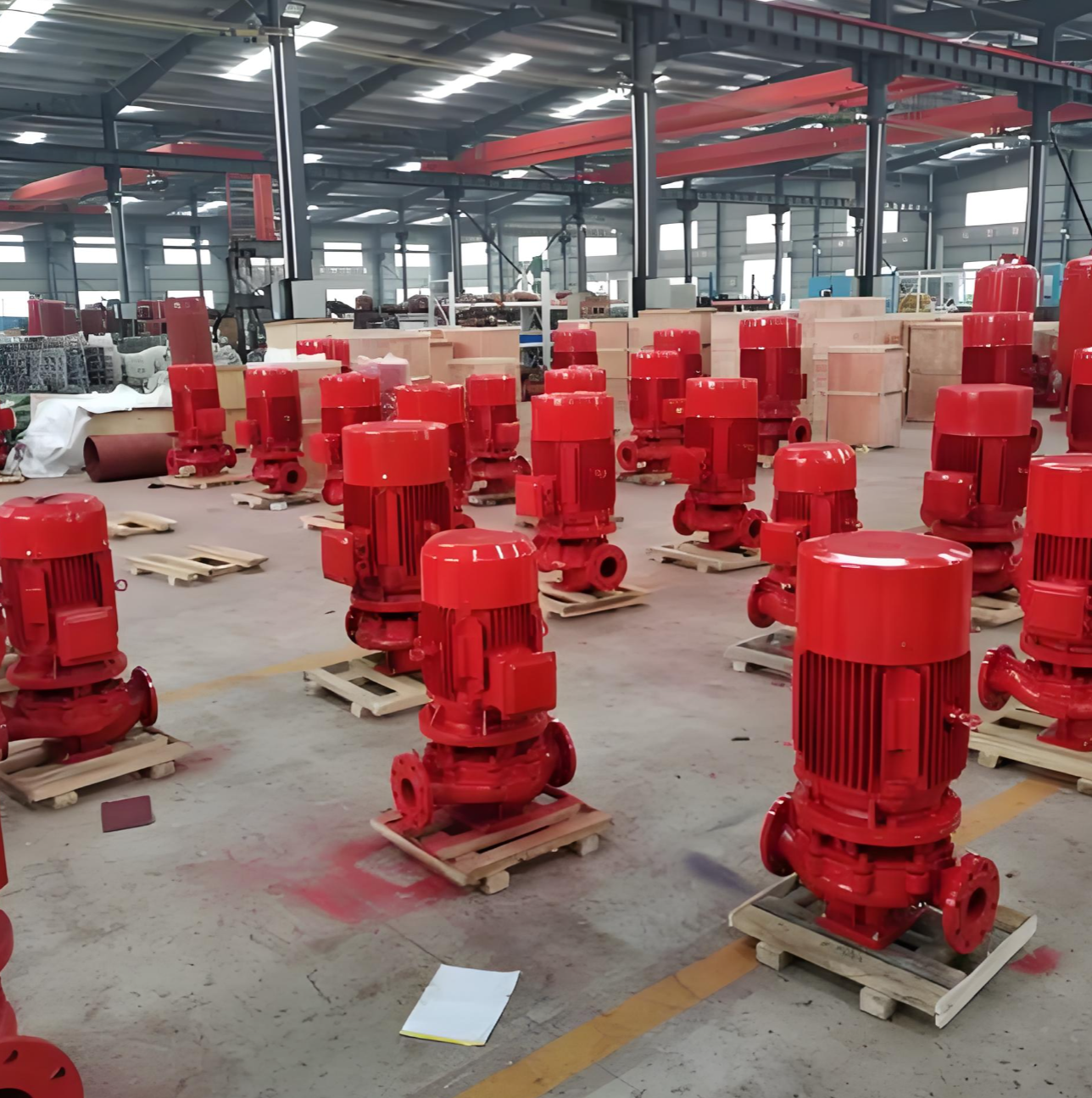
In conclusion, fire fighting pumps are engineered life-safety devices where compliance with international standards like NFPA 20 is the baseline, and quantifiable performance metrics are the measure of capability. Their true value, however, is realized only through a holistic approach that encompasses correct selection for the application, flawless installation, and an unwavering commitment to scheduled maintenance. This ensures that when called upon, the pump will deliver the vital water flow and pressure required to control a fire, protecting both life and property