High-Efficiency Solar Water Pumps: How to Match PV Panel Capacity with Pump Performance
Understanding the Solar Pumping System: A Delicate Balance of Power
At the heart of any off-grid solar water pumping solution lies a critical, dynamic relationship: the synergy between the photovoltaic (PV) array and the pump itself. Unlike grid-powered systems that draw from a consistent, unlimited source, a solar pump operates entirely on the variable power generated by sunlight. Therefore, achieving optimal performance is not about simply connecting a pump to some solar panels; it's about precise system sizing and matching. The core challenge is to ensure the PV array can consistently deliver enough electrical power—in terms of voltage and current—to meet the pump's starting and running requirements under local solar conditions. An undersized array will leave the pump starved for power, resulting in low flow, frequent stalling, or failure to start. An oversized array, while not harmful to the pump, represents an unnecessary capital investment. The first step toward efficiency is recognizing this system as a single, integrated unit where the pump's hydraulic performance curve must be carefully aligned with the PV array's power-generation curve.
The Matching Equation: Key Variables and Calculation Principles
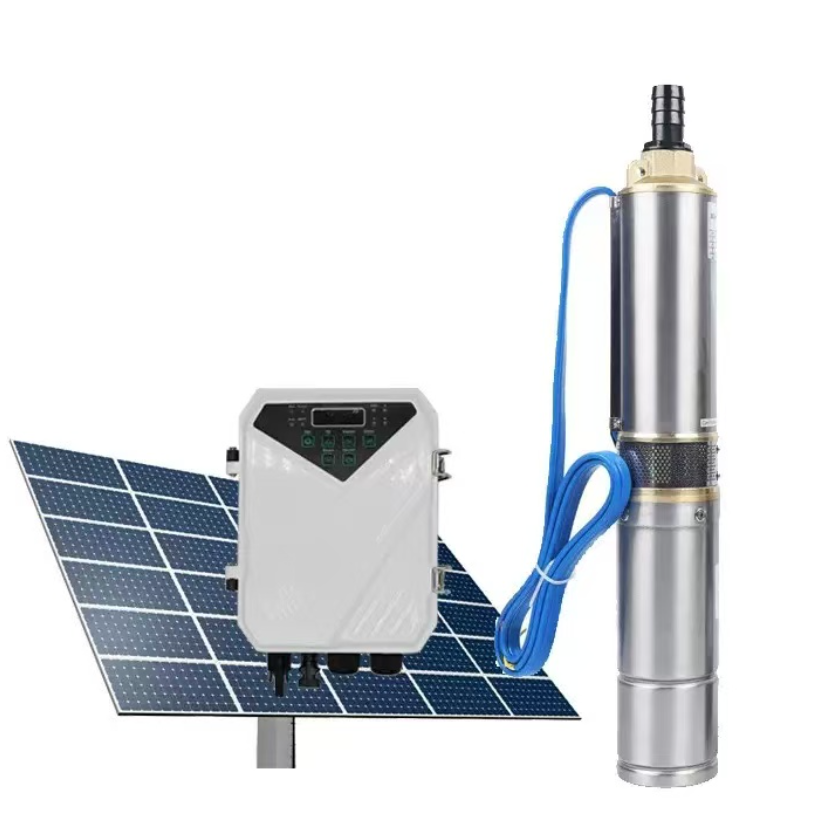
Matching PV capacity to pump performance involves analyzing several interdependent variables. The primary goal is to satisfy the pump's power demand (in Watts) at its intended operating point, which is determined by the required daily water output (cubic meters/day) and the total dynamic head (TDH)—the sum of vertical lift, friction loss, and pressure head. Once the pump's power need is known, the PV array must be sized to meet it. This calculation must account for local peak sun hours (PSH), a location-specific metric representing the equivalent number of hours per day with full, 1000W/m² sunlight. The fundamental formula is: PV Array Power (W) = Pump Power (W) / (PSH × System Efficiency Factor). The system efficiency factor (typically 0.7-0.85) is crucial, as it accounts for losses in wiring, controllers, motor inefficiency, and dust on panels. Furthermore, voltage compatibility is non-negotiable. The PV array's Maximum Power Point (MPP) voltage must fall within the input range of the pump's solar controller or variable frequency drive (VFD). For high-efficiency pumps like those from Gaotian, which often use brushless DC (BLDC) or advanced AC motors with MPPT controllers, this matching is optimized to extract the maximum possible power from the panels throughout the day, even under partial shading or variable cloud cover.
Gaotian's System Approach: Delivering Optimized, Reliable Performance
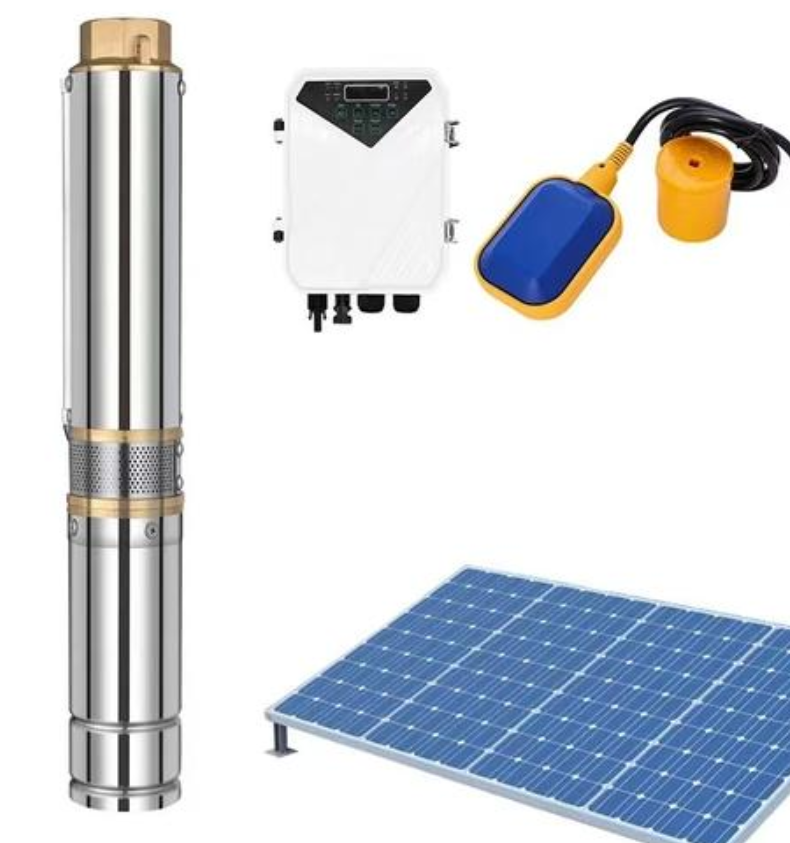
Leading manufacturers like Gaotian Pump simplify this complex matching process by offering pre-engineered, compatible system solutions. Instead of selling a pump and panels separately, they provide or recommend optimized pairings based on extensive performance data. Their high-efficiency solar pumps are designed with wide operating voltage ranges and integrated Maximum Power Point Tracking (MPPT) technology. The MPPT controller acts as the intelligent "brain," continuously adjusting the electrical load to keep the PV array operating at its peak power point, thereby maximizing energy harvest and pump output. This is especially valuable during morning, evening, and cloudy periods, significantly increasing daily water yield compared to non-MPPT systems. When specifying a Gaotian solar pumping system, the technical analysis considers the complete picture: site-specific solar irradiance data, water demand profile, and storage tank size. The result is a perfectly harmonized system where the pump's performance curve is precisely supported by the PV array's output, ensuring reliable, consistent water delivery, maximizing return on investment, and providing a truly sustainable water solution.
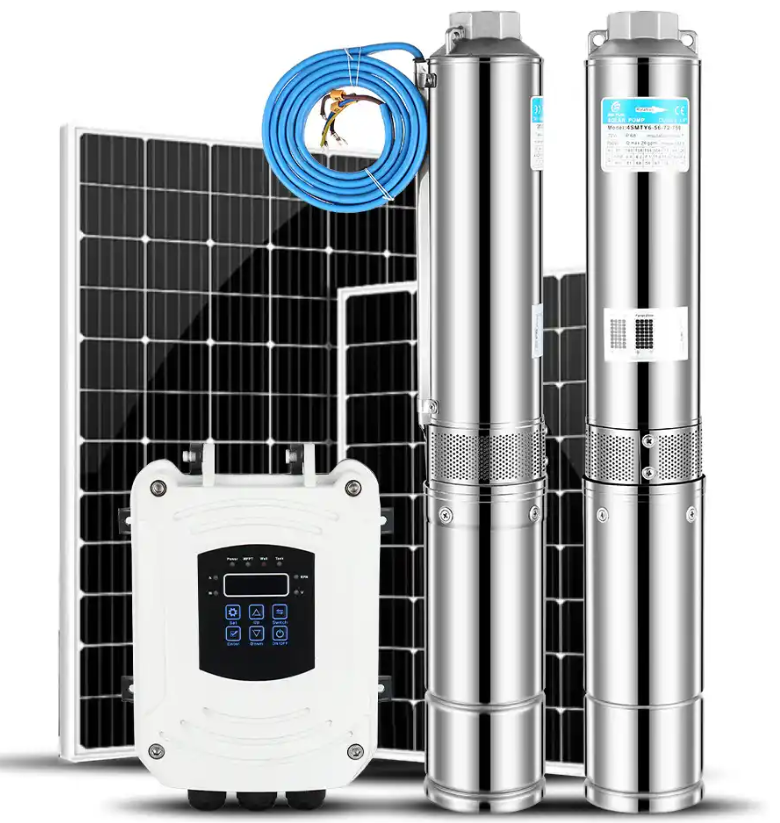
In summary, successfully deploying a high-efficiency solar water pump hinges on the precise matching of photovoltaic capacity to hydraulic performance. This requires a systematic analysis of water needs, site conditions, and component compatibility. By leveraging integrated, MPPT-optimized systems from experts like Gaotian, users can transcend guesswork and achieve a perfectly balanced setup. This ensures the solar array consistently delivers optimal power, enabling the pump to operate at peak efficiency, day in and day out, transforming abundant sunlight into a reliable and cost-effective water supply.