How Do Pump Materials Affect Performance In Corrosive And Harsh Environments
Material Compatibility Determines Whether The Pump Can Survive The Medium
The Wrong Material Can Cause Fast Failure Even If The Design Is Correct
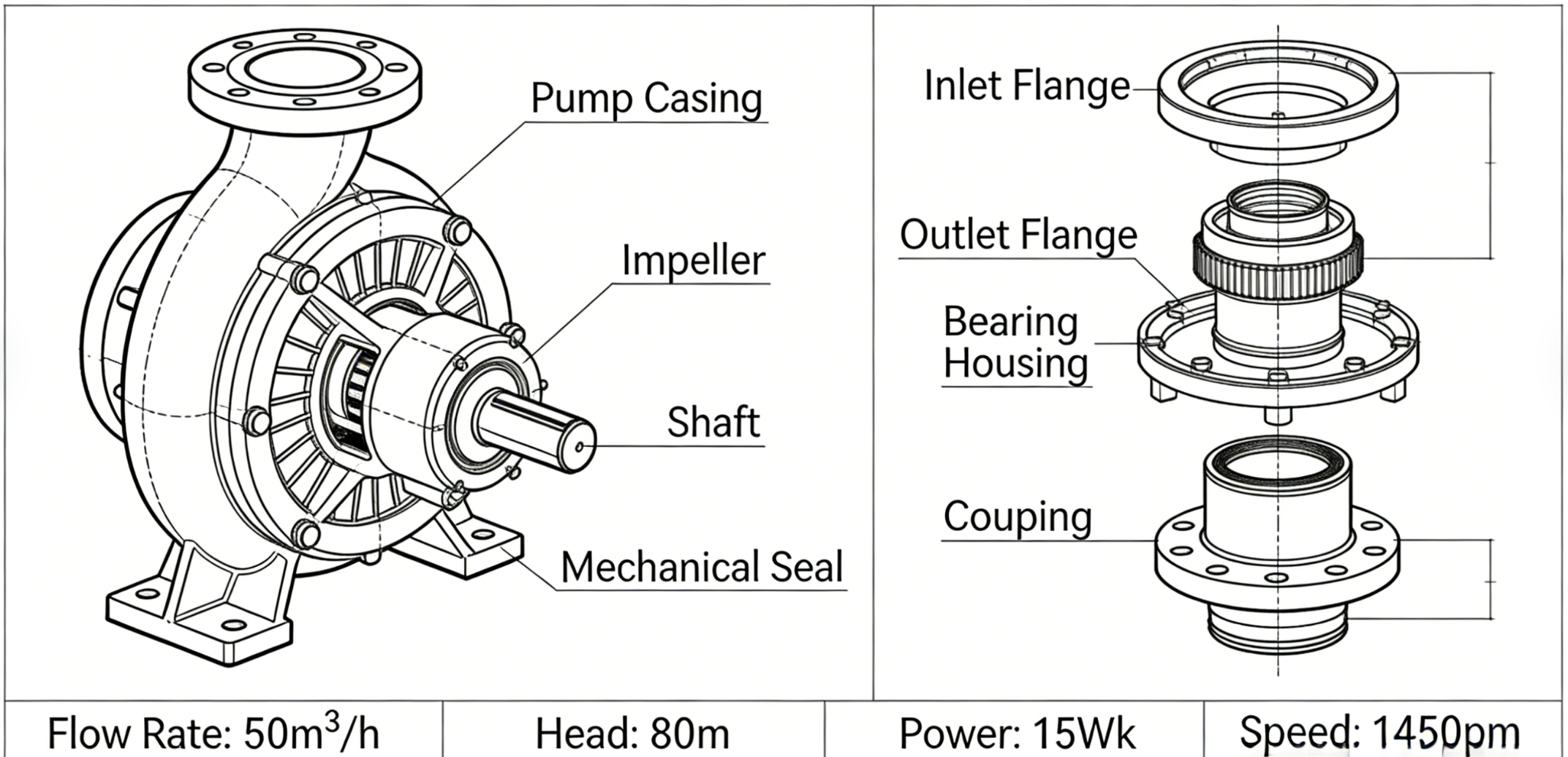
The first and most important role of pump material is compatibility with the liquid being handled. In corrosive environments, the medium itself may attack the pump casing, impeller, shaft, or seal chamber. If the selected material cannot resist the chemical composition of the fluid, the pump may suffer from surface corrosion, pitting, cracking, or thickness loss over time.
For example, standard cast iron may be acceptable for general water service, but it is often unsuitable for acidic or chloride-rich applications. Stainless steel, duplex stainless steel, or special alloys may be needed when the fluid is chemically aggressive. The more demanding the medium, the more critical material compatibility becomes.
Buyers should also understand that corrosion is not always immediately visible. In many cases, material degradation begins internally and affects long-term performance before obvious external damage appears. This is why material selection should be based on application data rather than assumption or habit.
Harsh Operating Conditions Increase The Importance Of Strength, Wear Resistance, And Thermal Stability
Corrosion Is Not The Only Risk In Demanding Applications
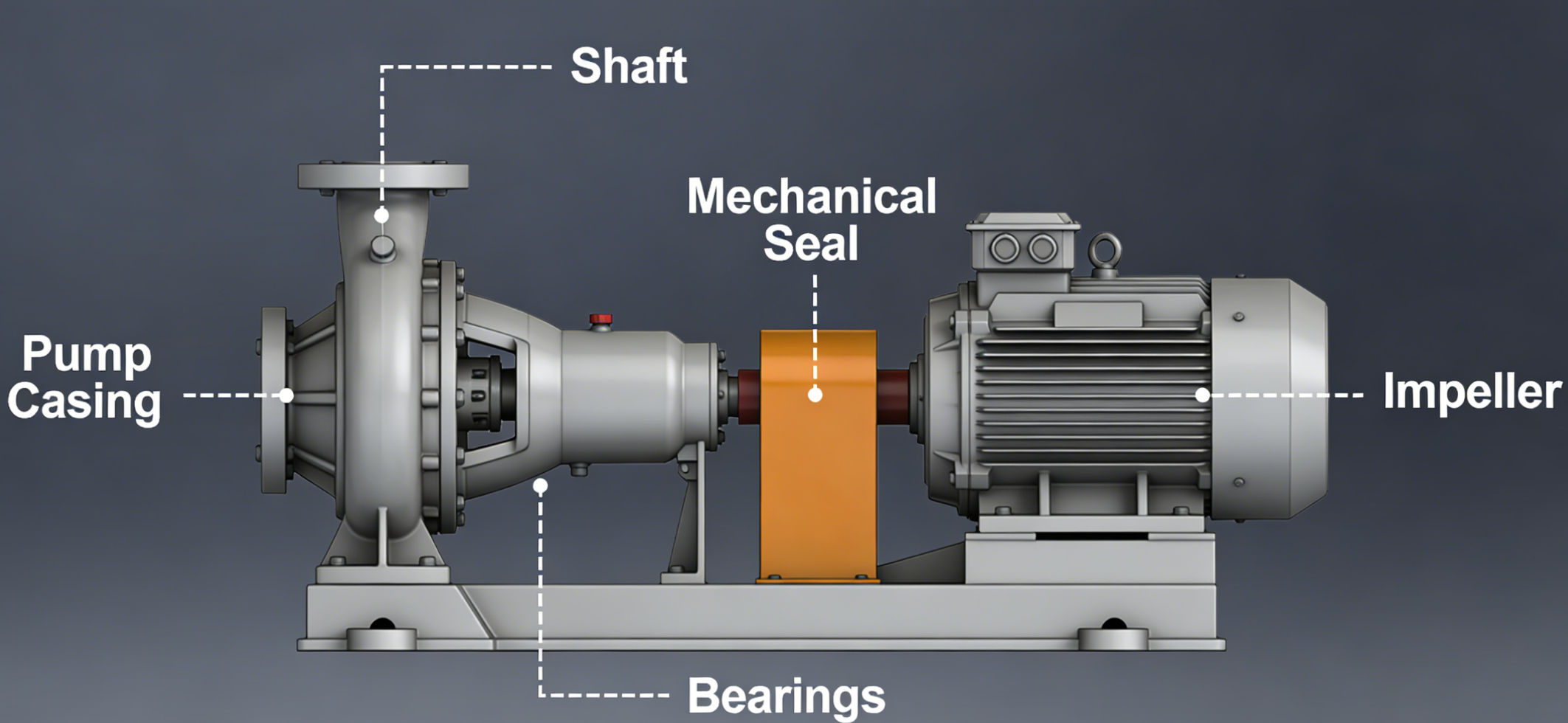
In harsh environments, material performance is affected not only by corrosion, but also by temperature, pressure, abrasion, and mechanical stress. A pump operating in high-temperature service may require materials that maintain strength and dimensional stability under heat. A pump handling solid-containing fluids may need better wear resistance than one handling clean liquid.
In slurry or abrasive applications, the issue is not only whether the material can resist chemical attack, but whether it can resist continuous wear from particles. Even corrosion-resistant materials may not perform well if they are too soft for abrasive service. This is why harsh environments often require a balance between corrosion resistance and mechanical durability.
Thermal cycling is another factor buyers should not ignore. If the pump frequently experiences temperature fluctuation, certain materials may expand, contract, or fatigue differently over time. This can influence clearances, sealing behavior, and structural stability, especially in continuous industrial service.
Material Selection Has A Direct Impact On Maintenance Cost And Service Life
Better Material Decisions Often Reduce Long-Term Ownership Risk
From a procurement perspective, material selection is not just a technical issue—it is a lifecycle cost issue. A lower-cost material may reduce the purchase price, but if it shortens service life or increases maintenance frequency, the buyer may spend far more over time. Unexpected failures in harsh environments are particularly expensive because they often involve downtime, urgent replacement, and secondary process losses.
A more suitable material can improve seal life, reduce casing or impeller wear, and help the pump maintain stable efficiency for a longer period. This does not always mean choosing the most expensive alloy. It means selecting the right material for the actual combination of medium, temperature, pressure, and operating pattern.
This is where experienced suppliers create value. A supplier who understands application conditions can recommend a material solution that balances performance, durability, and cost. Buyers should expect more than a simple material list—they should expect practical guidance based on service conditions.
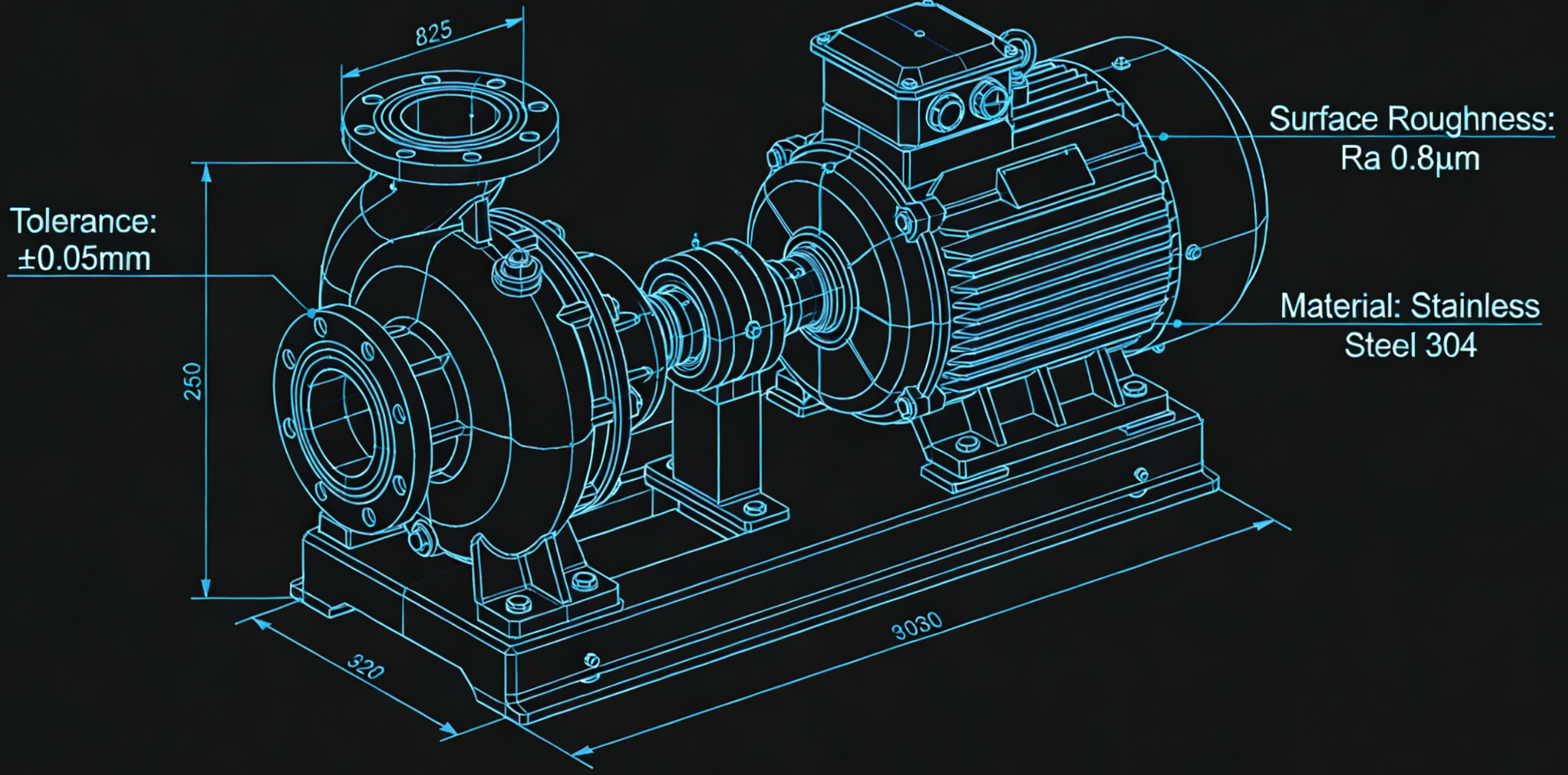
In corrosive and harsh applications, pump material selection directly affects reliability, maintenance needs, and service life. The correct material helps the pump resist chemical attack, handle wear and temperature stress, and maintain more stable operation over time. The wrong material may still allow the pump to run at the beginning, but it increases the risk of early failure and costly interruption later.
For international buyers, the best pump material decision is not the cheapest and not always the most advanced. It is the one that truly matches the application and protects long-term project performance.