How Do Ships Get Fresh Water? Unveiling Marine Water Deslination and Supply Systems.
How Do Ships Get Fresh Water? Unveiling Marine Water Deslination and Supply Systems.
1. The Challenge of Thirsty Vessels: Why Ships Cannot Rely On Shore Alone
At the heart of every maritime voyage lies a critical challenge: securing a reliable supply of fresh water. Unlike cities, ships cannot tap into a municipal water grid when crossing the oceans. Fresh water is essential not only for the crew's drinking, cooking, and sanitation but also for the vessel's very operation, serving as coolant for powerful marine engines and boiler feed water. Carrying all the water needed for a long journey would consume vast amounts of space and weight, drastically reducing cargo capacity and efficiency. This fundamental limitation makes onboard fresh water production not just a convenience, but an absolute necessity for modern shipping. The solution lies in harnessing the vast resource that surrounds the ship: seawater.
2. Engineering Miracles at Sea: The Reverse Osmosis Desalination Process
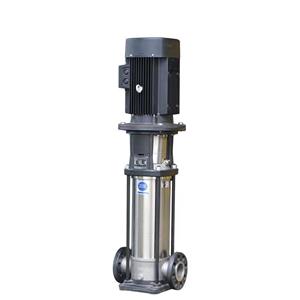
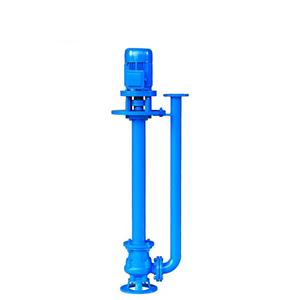
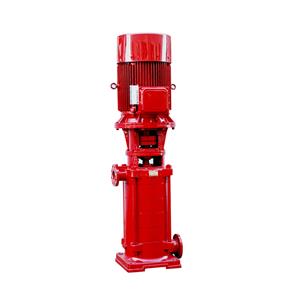
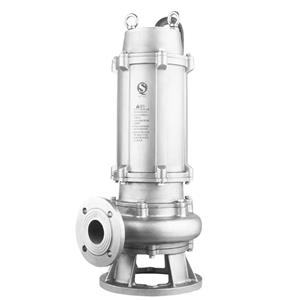
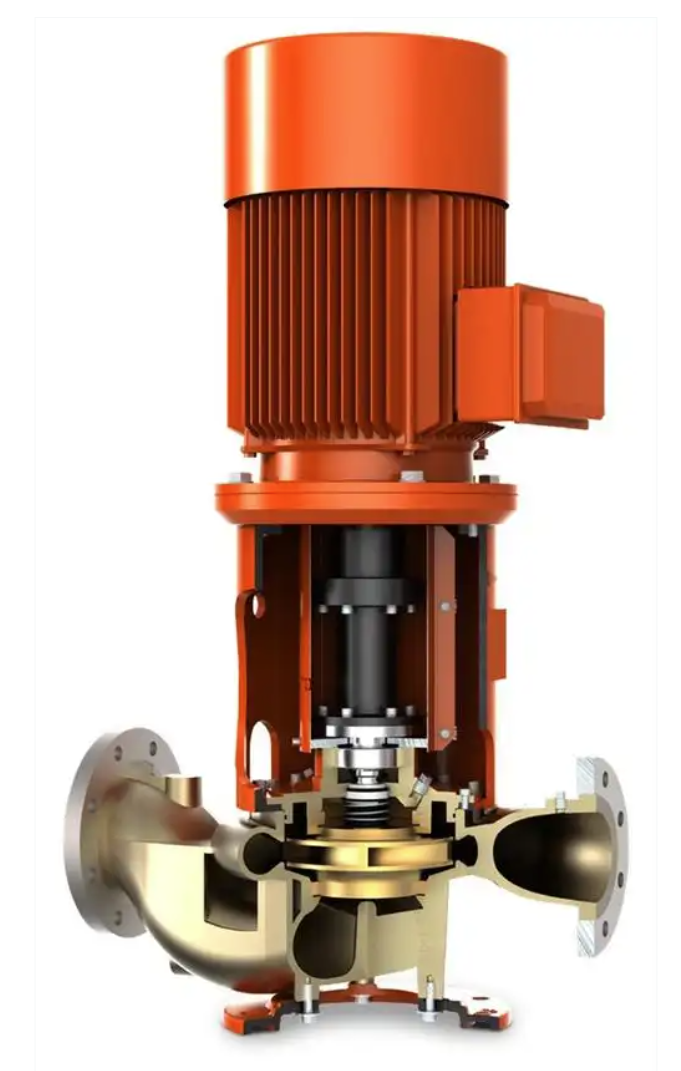
The primary technology that transforms seawater into potable water is reverse osmosis (RO) desalination. This process is an engineering marvel that acts as the ship's own mobile water treatment plant. It begins with seawater intake pumps, which are specifically designed to handle corrosive seawater and potential debris. These robust pumps, such as those engineered by Shanghai Gaotian, draw ocean water into the system. The water first undergoes rigorous marine water treatment, including filtration and chemical dosing, to remove suspended solids and biological contaminants that could damage the delicate RO membranes. Then comes the critical step: high-pressure pumps force the pre-treated seawater against semi-permeable RO membranes. These membranes have pores so tiny that they allow water molecules to pass through while blocking salt ions and other impurities. The result is two streams: pure, fresh potable water ready for further mineral balancing, and a concentrated brine stream that is safely discharged back to the sea. The entire marine desalination system relies on the precise and reliable operation of these specialized pumps at every stage.
3. Beyond Production: Ensuring a Safe and Stable Water Supply Onboard
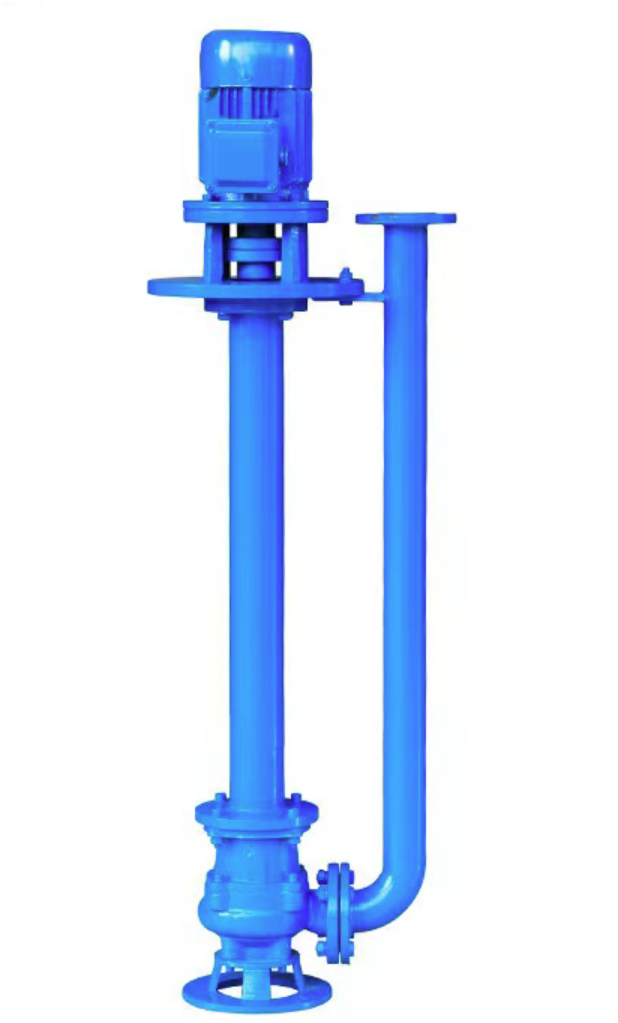
Producing fresh water is only half the battle; it must be stored and distributed safely throughout the vessel. This is where the marine water supply system takes over. After desalination, the water is transferred to dedicated fresh water storage tanks. To deliver water to cabins, galleys, and engine rooms, fresh water pressure pumps (also known as hydrophore units) are employed. These pumps maintain constant pressure in the ship's piping network, ensuring immediate water flow at every tap, much like in a building on land. For the critical function of engine cooling, cooling water pumps circulate the treated fresh water through the engine's heat exchangers, absorbing waste heat and preventing overheating. The durability and corrosion resistance of all pumps involved are paramount, as failure in the harsh marine environment could jeopardize the ship's operation and safety. Manufacturers specializing in marine pump solutions, like Shanghai Gaotian, provide components built to meet these rigorous demands.
Conclusion:
The ability of ships to create their own fresh water is a cornerstone of global trade and navigation. Through the sophisticated integration of reverse osmosis desalination technology and robust, reliable pumping systems, vessels achieve water autonomy on the high seas. Companies like Shanghai Gaotian play a vital role in this process, providing the engineering expertise and high-performance pumps that power these floating water utilities, ensuring the safety and efficiency of maritime operations worldwide.