How does centrifugal pump work
How does centrifugal pump work
Converting Kinetic Energy to Fluid Pressure
A centrifugal pump operates on a fundamentally simple yet brilliant principle: the conversion of rotational kinetic energy into hydrodynamic energy to move fluid. At the heart of every centrifugal pump, including the robust models manufactured by Shanghai Gaotian Pump Manufacturing Co., Ltd., is a rotating component called the impeller. When the pump is activated, typically by an electric motor or a diesel engine, the impeller begins to spin at high speed. The fluid enters the pump casing axially through the suction inlet, directed towards the eye of the impeller. As the impeller blades rotate, they impart a centrifugal force upon the fluid, flinging it radially outward from the impeller eye to the outer edges. This action dramatically increases the fluid's velocity, thus converting the motor's electrical energy into the kinetic energy of the moving fluid. The design of the impeller—its blade curvature, size, and speed—is critical to this stage and is a key area of expertise for pump manufacturers like Gaotian, who utilize advanced engineering and precision casting to optimize performance.
The Critical Components
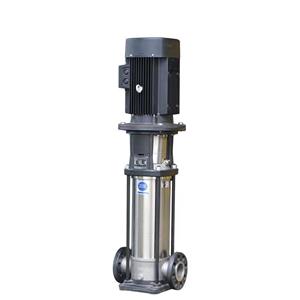
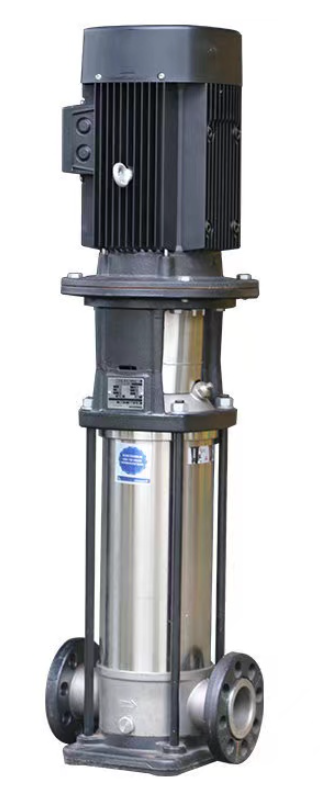
The high-velocity fluid leaving the impeller then enters the pump's discharge casing. The most common type is the volute casing, a snail-shaped channel that gradually increases in cross-sectional area. As the fluid travels through this expanding volute, its velocity decreases. According to Bernoulli’s principle, this reduction in velocity results in an increase in the fluid's pressure. The volute's shape is meticulously designed to efficiently collect the fluid from the impeller and guide it towards the discharge outlet while maximizing this pressure-building conversion. In some multistage pump designs from Gaotian, a diffuser (a series of stationary vanes surrounding the impeller) is used instead of a volute. The diffuser directs the flow more efficiently and further converts velocity into pressure before the fluid proceeds to the next stage or the discharge point. The quality of these components is paramount, which is why Gaotian's adherence to ISO 9001 standards and rigorous testing ensures each pump delivers the required pressure and flow rate reliably.
Performance in Practice
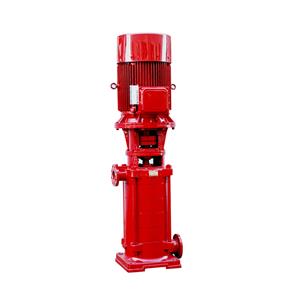
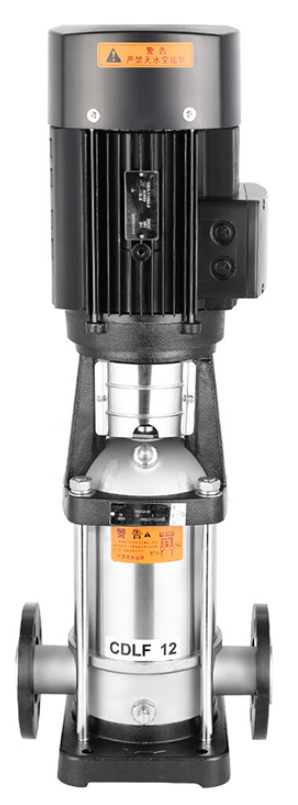
For a centrifugal pump to work effectively, certain operational conditions must be met. A fundamental requirement is priming: the pump casing must be completely filled with fluid before start-up to create the necessary suction pressure. Gaotian offers self-priming centrifugal pumps that can evacuate air from the suction line, simplifying this process. A critical operational challenge is cavitation, which occurs when the pressure at the pump inlet drops too low, causing fluid to vaporize and form bubbles that collapse violently upon reaching high-pressure zones, damaging the impeller. Preventing cavitation requires ensuring adequate Net Positive Suction Head (NPSH). Pumps from Gaotian are engineered with features to minimize such risks, contributing to their long service life and efficiency, which is critical for applications ranging from building water supply to industrial drainage and firefighting systems.
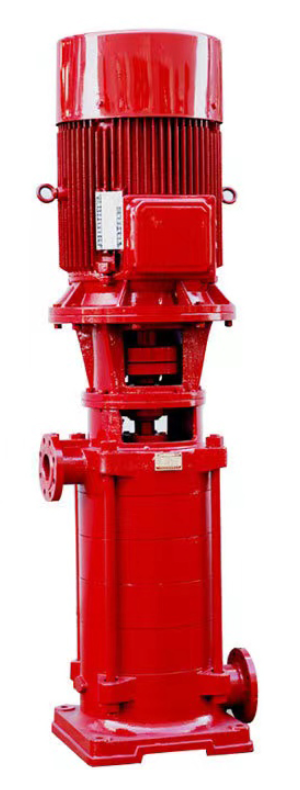
In summary, the centrifugal pump's operation is an elegant demonstration of energy conversion, relying on a high-speed impeller to impart velocity to a fluid, which is then transformed into usable pressure by a strategically designed casing. Shanghai Gaotian Pump leverages this core principle, combining precision manufacturing, robust materials, and rigorous quality control to produce pumps that deliver reliable performance across countless applications, from simple water transfer to complex industrial processes.