How Gaotian's Pumps Support Public Health Through Reliable Water Supply
How Gaotian's Pumps Support Public Health Through Reliable Water Supply
Access to a safe and reliable water supply is a fundamental pillar of public health, directly preventing the spread of waterborne diseases and enabling basic sanitation. Shanghai Gaotian Pump Manufacturing Co., Ltd. plays a crucial, though often unseen, role in safeguarding community health worldwide. The company's extensive range of robust and efficient pumps forms the beating heart of modern water infrastructure, from the initial extraction of raw water to its final distribution to households, hospitals, and schools. By ensuring the consistent and uninterrupted flow of water, Gaotian's technology supports the entire chain of water provision that is essential for drinking, cooking, cleaning, and wastewater removal, thereby forming a first line of defense against epidemics and contributing to the overall well-being and productivity of populations.
Ensuring Safe Drinking Water from Source to Tap
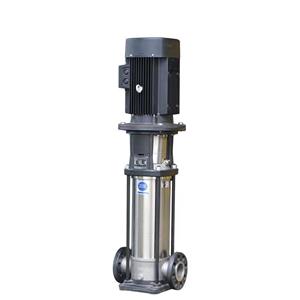
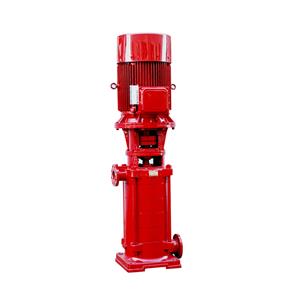
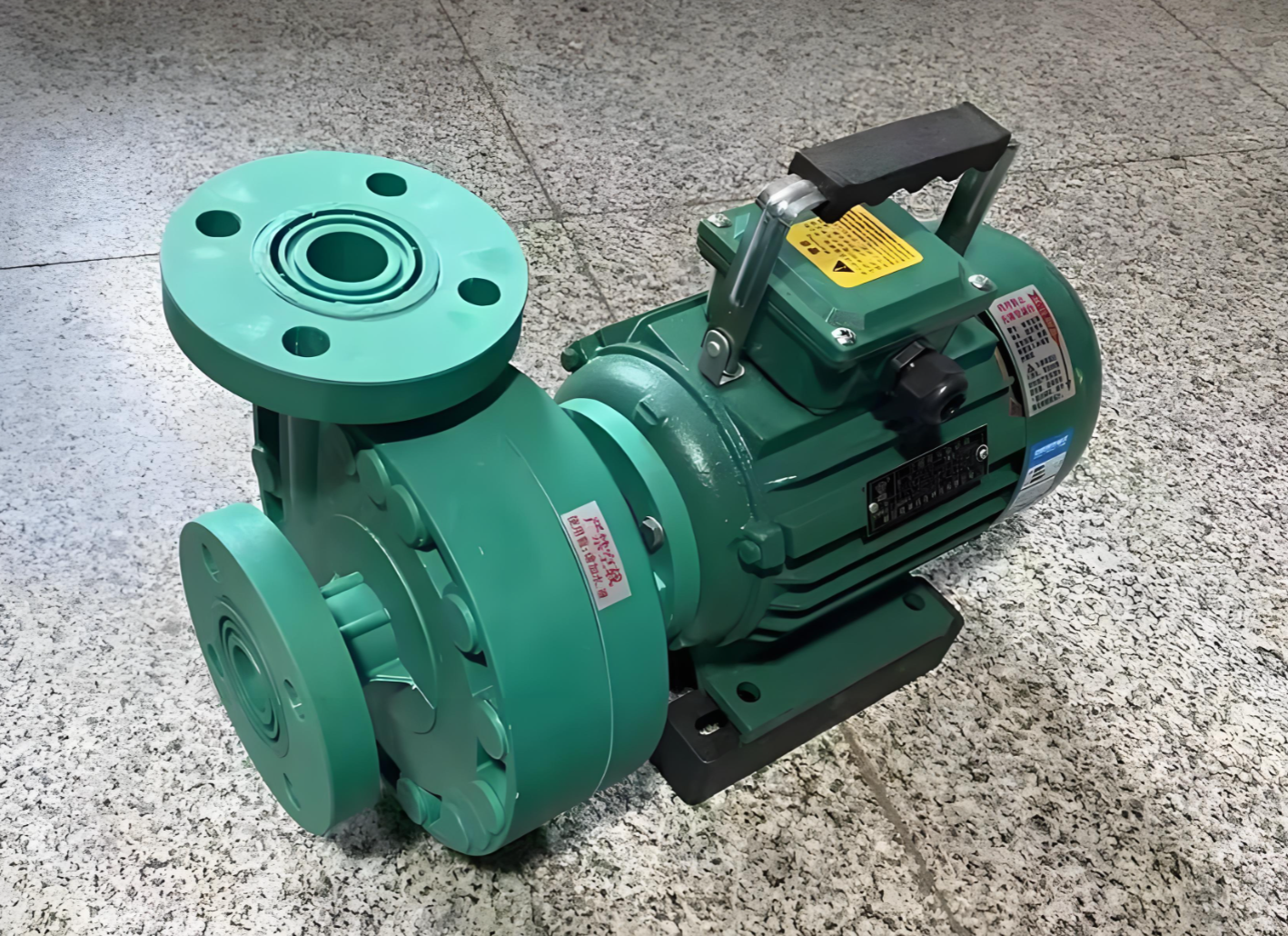
The journey of safe drinking water begins at the source, where Gaotian's raw water intake pumps lift water from rivers, lakes, or reservoirs into treatment plants. Throughout the treatment process, their chemical dosing pumps ensure the precise addition of coagulants, disinfectants like chlorine, and other chemicals vital for purifying water and making it safe for human consumption. Following treatment, high-pressure multistage booster pumps take over, providing the necessary pressure to propel water through vast distribution networks. These pumps are essential for maintaining adequate pressure in pipelines, ensuring that water reaches every tap, even in elevated areas or the upper floors of high-rise buildings. This consistent pressure is critical not only for convenience but also for preventing contaminants from entering the distribution system through leaks or backflow. By powering this continuous cycle, Gaotian pumps guarantee that clean, potable water is reliably available, which is the single most effective measure for preventing diseases like cholera, typhoid, and dysentery.
Supporting Sanitation and Hygiene in Municipalities and Healthcare
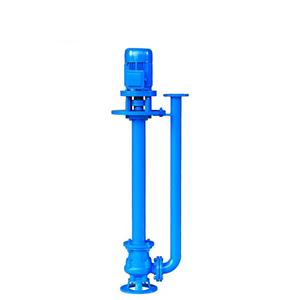
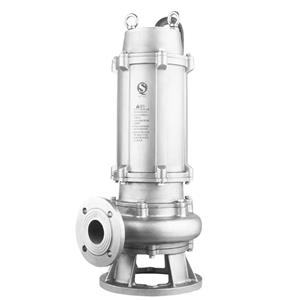
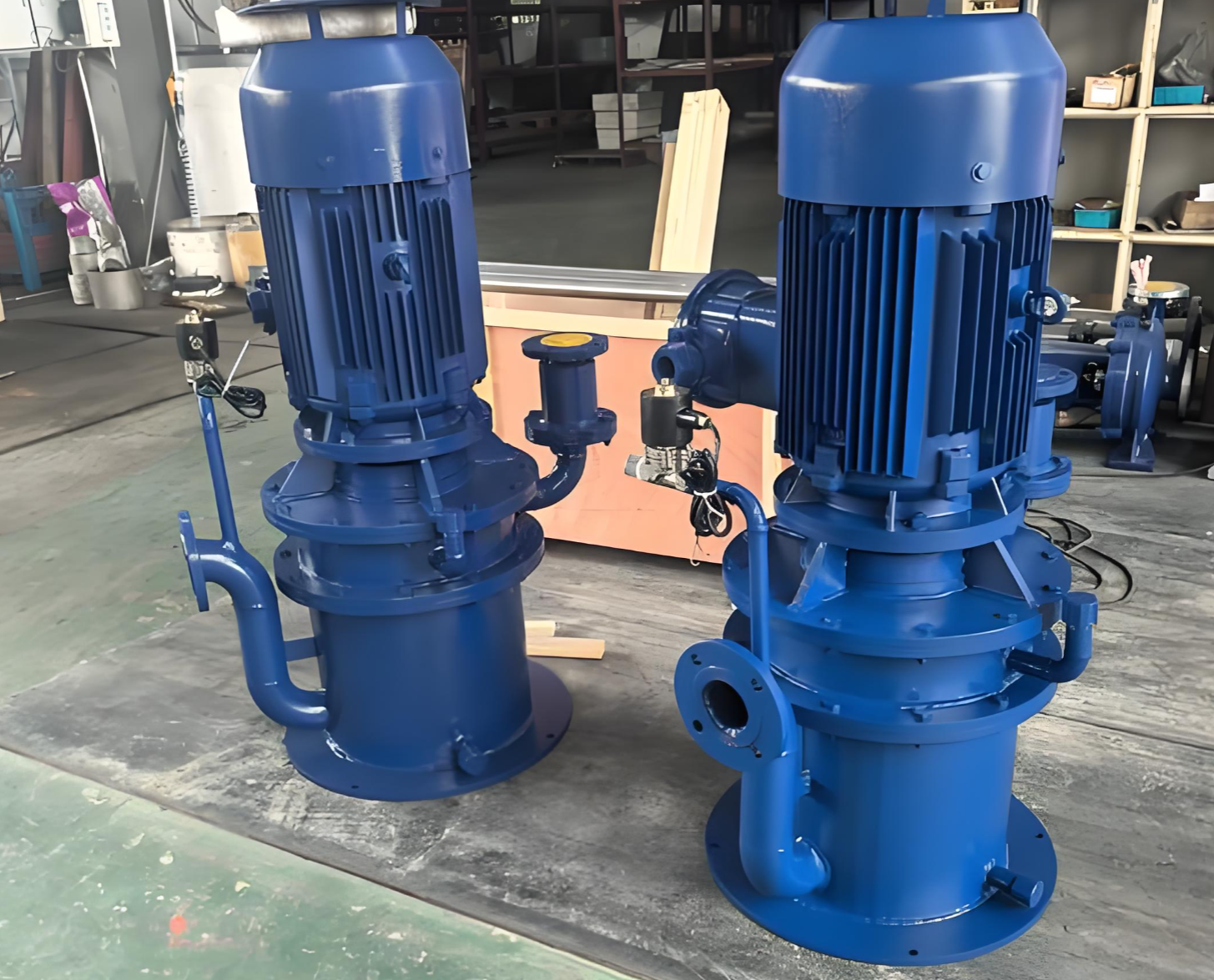
Beyond clean water delivery, reliable pumping is equally critical for effective sanitation—the other half of the public health equation. Gaotian's submersible sewage pumps and robust wastewater pumps are the workhorses of municipal sewage collection systems. They efficiently transport wastewater from residential, commercial, and industrial areas to treatment facilities, preventing the stagnation of sewage which can become a breeding ground for pathogens and insects like mosquitoes. In healthcare settings, such as hospitals and clinics, the demand for uninterrupted water supply is non-negotiable. Gaotian's pumps ensure water is available for sterilization, cleaning, and surgical procedures, while also handling the safe disposal of medical wastewater. Furthermore, in public spaces, reliable water pressure enabled by these pumps is necessary for the operation of restrooms and handwashing stations, promoting hygiene practices that break the chain of infection. By managing wastewater effectively, these pumping solutions protect groundwater sources from contamination and create a cleaner, healthier urban environment.
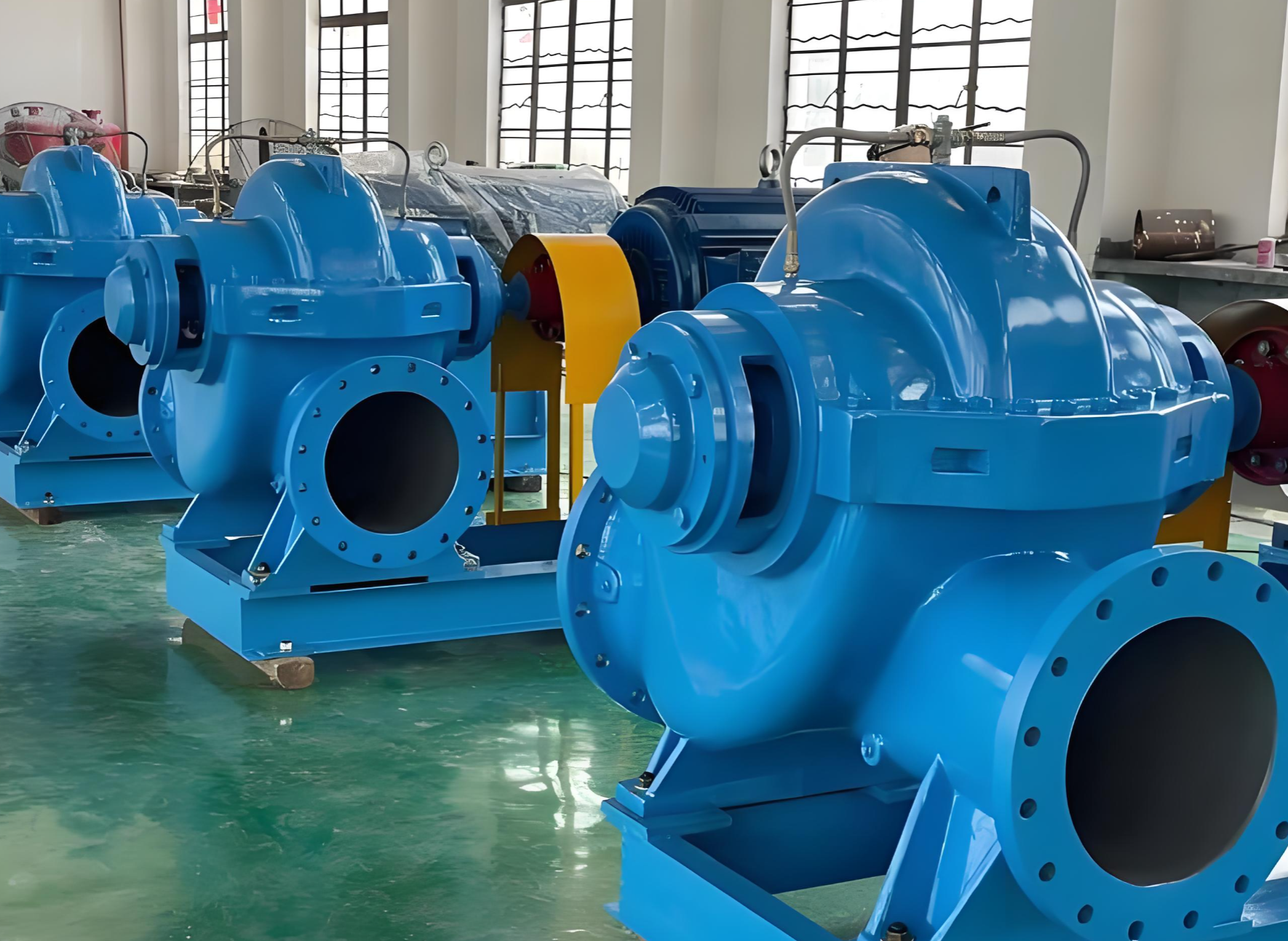
In conclusion, the critical link between reliable water pumping and public health is undeniable. Shanghai Gaotian Pump Manufacturing Co., Ltd. contributes significantly to global health security by manufacturing the pumps that form the backbone of both water supply and sanitation infrastructure. From ensuring the delivery of safe drinking water to enabling effective wastewater management, Gaotian's technology operates silently in the background, protecting communities from disease and fostering environments where people can thrive. Investing in and maintaining robust pumping systems, like those provided by Gaotian, is not merely an infrastructure priority but a fundamental commitment to safeguarding public health for generations to come.