How To Choose A Chemical Transfer Pump For Corrosive Liquids
How To Choose A Chemical Transfer Pump For Corrosive Liquids
Choosing a chemical transfer pump for corrosive liquids requires careful review of liquid properties, material compatibility, seal design, temperature, concentration, flow rate, head and site safety requirements.
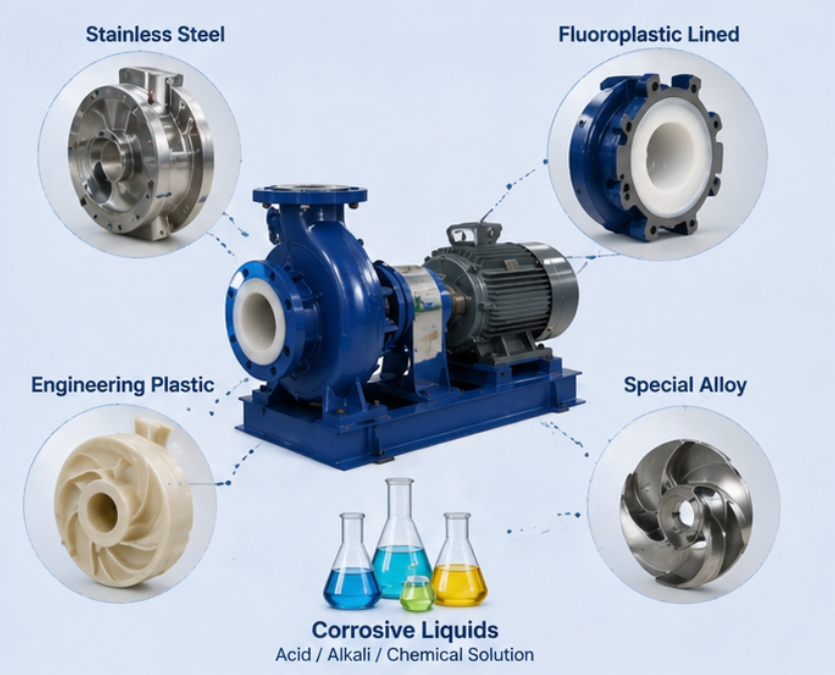
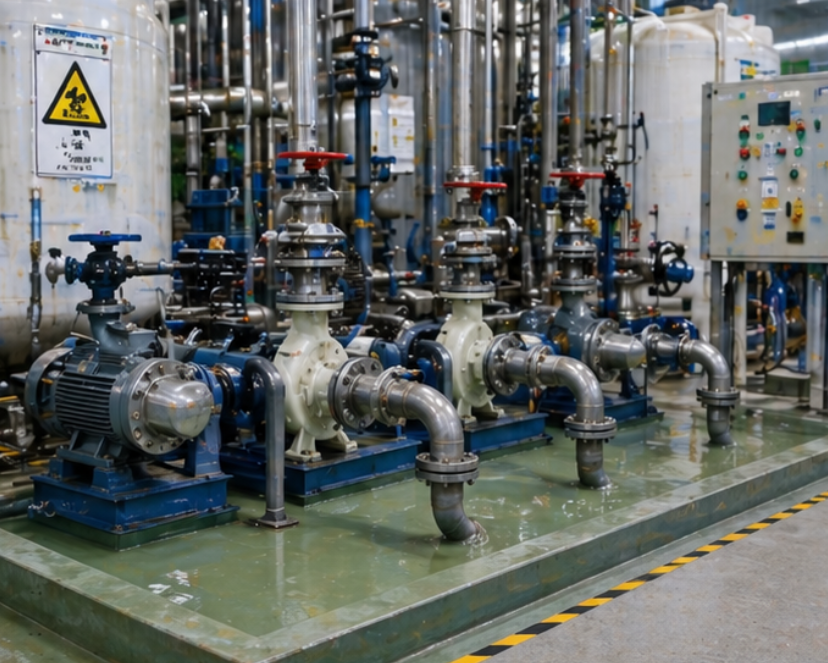
Get QuoteThe first step in selecting a chemical transfer pump is to understand the liquid being handled. Corrosive liquids may include acids, alkalis, solvents, salt solutions, chemical wastewater or mixed process liquids. Each medium has different requirements for pump material, sealing method and operating safety. Buyers should provide the chemical name, concentration, temperature, viscosity, density, solid content and whether the liquid is flammable or toxic. Even the same chemical may require a different pump material when concentration or temperature changes. Without accurate liquid information, pump selection becomes risky and may lead to leakage, corrosion, downtime or safety problems. Material compatibility is the most important factor for corrosive liquid transfer. Stainless steel may be suitable for some weak corrosive liquids, while stronger acids or alkalis may require fluoroplastic-lined pumps, engineering plastic pumps or special alloy components. For chemical wastewater, buyers should also check whether the liquid contains particles or abrasive materials. The pump casing, impeller, shaft, seal parts, gasket and wetted components must all be compatible with the chemical medium. A common mistake is only checking the pump casing material while ignoring the seal and gasket material. In corrosive liquid applications, one incompatible component can cause the entire pump system to fail. Seal design directly affects safety and maintenance cost. For general chemical transfer, a mechanical seal may be used when the liquid is not highly hazardous and the working condition is stable. For highly corrosive, toxic, volatile or valuable liquids, buyers may consider magnetic drive pumps or special sealing systems to reduce leakage risk. Mechanical seal material should be selected according to the liquid. Seal faces, springs, elastomers and auxiliary parts must resist corrosion and temperature. If the pump operates continuously or handles crystallizing liquids, seal flushing, cooling or special maintenance procedures may be required. Like other industrial pumps, chemical transfer pumps must match the required flow rate and head. Flow rate determines how much liquid needs to be transferred per hour, while head includes vertical lift, pipeline length, valve resistance, filter resistance and system pressure. For corrosive liquids, buyers should avoid oversizing the pump without calculation. Excessive flow or pressure may increase pipe stress, seal wear, heat generation and chemical leakage risk. The selected pump should operate close to its efficient range and match the actual process requirement. Chemical transfer environments may require special motor protection, explosion-proof configuration, leakage protection or corrosion-resistant base frames. If the liquid is flammable, volatile or used in a hazardous area, buyers should confirm whether explosion-proof motors and related electrical protection are required. Installation conditions also matter. The pump may be installed indoors, outdoors, near chemical tanks, inside a production line or in a wastewater treatment area. Buyers should consider ventilation, maintenance access, leakage collection, foundation design and pipeline support before ordering. Chemical transfer pumps are widely used in chemical plants, wastewater treatment, electroplating, surface treatment, textile dyeing, pharmaceutical production, food processing, mining, power plants and industrial cleaning systems. They are often used for acids, alkalis, salt solutions, chemical wastewater and process liquids. For overseas procurement, buyers should not select a chemical pump only by model name. The safest approach is to provide complete liquid data and operating conditions, then ask the pump supplier to recommend the correct structure, material and sealing configuration. To choose a chemical transfer pump for corrosive liquids, buyers should confirm the chemical medium, concentration, temperature, viscosity, flow rate, head, material compatibility, seal design, motor protection and installation environment. Correct selection helps reduce leakage, corrosion, downtime and safety risk. GT Pump provides chemical transfer pump solutions for corrosive liquids, chemical wastewater, industrial process liquids and engineering projects. Our team can help review your working conditions and recommend a suitable pump configuration. Send us your chemical medium, concentration, temperature, flow rate, head and material requirements. GT Pump will help you select a suitable pump for corrosive liquid transfer.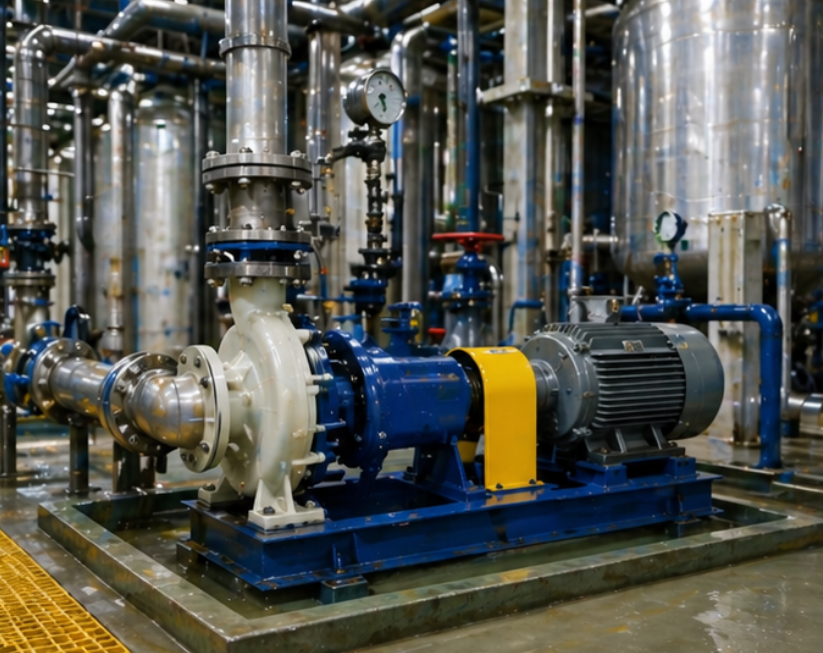
1. Confirm The Chemical Liquid Properties
2. Choose Compatible Pump Materials
3. Select The Right Seal Type
4. Match Flow Rate, Head And Working Conditions
5. Check Motor, Installation And Safety Requirements
6. Key Information Buyers Should Provide Before Quotation
Item What To Confirm Chemical Medium Chemical name, concentration, PH value and whether it is toxic or flammable Temperature Normal working temperature and possible maximum temperature Flow Rate Required capacity in m³/h, L/min or GPM Head / Pressure Vertical lift, pipe length, valves, filters and discharge pressure Material Requirement Stainless steel, fluoroplastic lining, engineering plastic or special alloy Seal Requirement Mechanical seal, magnetic drive, leakage control or special seal material 
7. Common Applications Of Chemical Transfer Pumps
Conclusion
Need Help Choosing A Chemical Transfer Pump?