How To Choose A Chemical Transfer Pump That Handles Corrosive Liquids More Safely And Reliably
Chemical Pump Selection Is Primarily About Risk Control
Choosing a chemical transfer pump is not just about moving liquid. In many plants, the liquid may be corrosive, hazardous, temperature-sensitive, or harmful to equipment if leakage occurs. That means buyers must think beyond flow and head. A reliable chemical transfer pump must combine suitable material selection, sealing safety, and operating stability so that the system remains safe over time, not only at startup.
Start With Chemical Compatibility, Not Just Basic Pump Capacity
The first step in choosing a chemical transfer pump is verifying chemical compatibility. A pump that works well for water or general service may fail quickly when exposed to acids, solvents, or aggressive industrial liquids. Buyers should confirm what materials are used in the casing, impeller, shaft, and seal areas, and whether those materials are appropriate for the actual liquid concentration, temperature, and service duration.
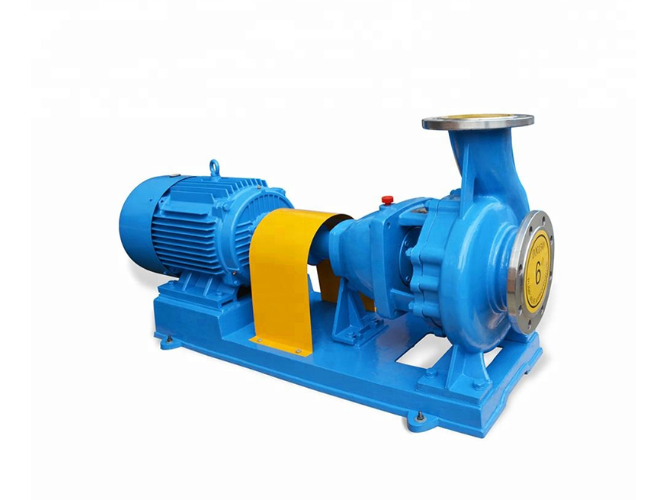
Seal System Design Has A Direct Impact On Safety
In chemical applications, leakage risk is often as important as hydraulic performance. The seal system should be selected according to liquid hazard level, temperature, pressure, and plant safety standards. Buyers should not treat sealing as a small accessory choice. In many cases, seal design determines whether the pump can operate safely and whether the surrounding equipment and personnel remain protected.
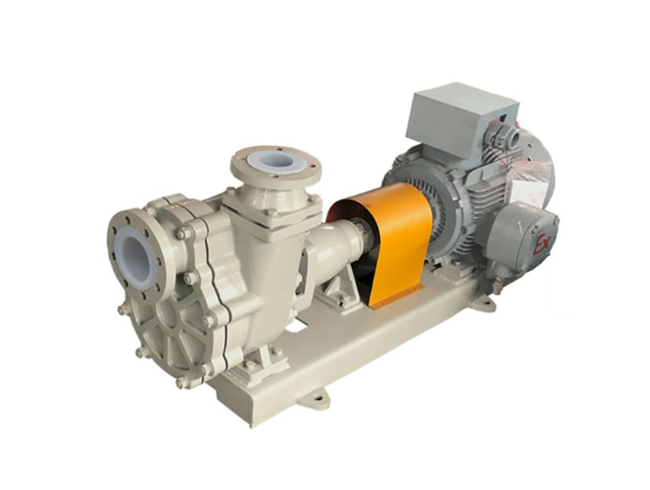
Reliable Operation Comes From Process Matching, Not Just Product Selection
A chemical transfer pump should be matched to the real process, not only chosen from a catalog. Buyers should confirm operating cycle, suction conditions, liquid variation, expected maintenance interval, and whether the pump has been used in similar chemical services before. A supplier who understands the process can usually recommend a safer and more reliable configuration than one who only compares model numbers.
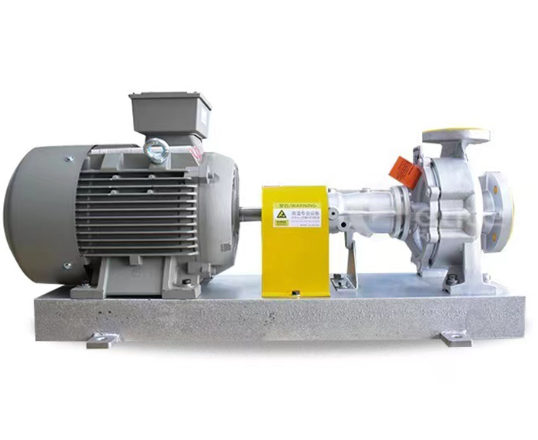
A chemical transfer pump that handles corrosive liquids safely and reliably is selected through chemical compatibility, proper sealing, and real process matching. Buyers who focus on these three areas reduce leakage risk, improve reliability, and protect long-term plant operation.