How To Choose A Hydrochloric Acid Pump That Improves Safety, Durability, And Process Reliability
Hydrochloric Acid Pumping Requires Stronger Safety Thinking
Hydrochloric acid is highly corrosive and often associated with strict safety requirements in industrial environments. A pump used for hydrochloric acid service must do more than simply move liquid. It should reduce leakage risk, withstand corrosion over time, and support stable process operation even under demanding conditions. Buyers should therefore treat pump selection as a safety and reliability decision, not only a purchasing task.
Choose Materials Specifically Suitable For Hydrochloric Acid Service
The first and most important step is selecting materials that are truly suitable for hydrochloric acid at the actual concentration and temperature. Buyers should avoid relying on broad labels such as “chemical resistant” without seeing more specific material confirmation. In hydrochloric acid service, incorrect material choice can cause rapid deterioration and early failure.
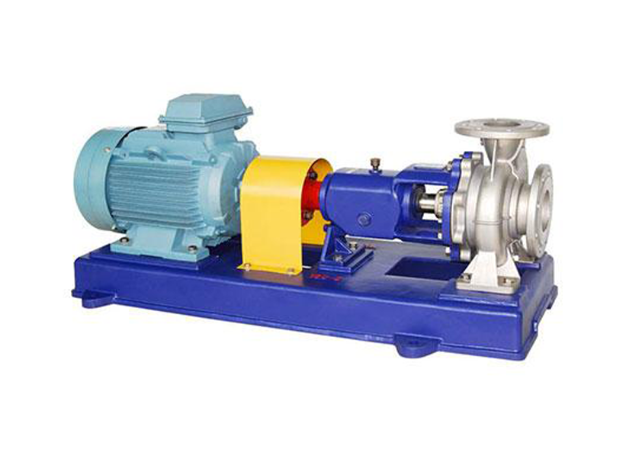
Sealing And Leakage Prevention Are Central To Safe Operation
Because hydrochloric acid service involves high leakage risk and strong safety consequences, sealing design must be reviewed carefully. Buyers should pay attention to seal type, seal chamber arrangement, flushing or barrier options if needed, and how the pump is designed to reduce leakage exposure. A reliable hydrochloric acid pump is one that protects both the process and the surrounding work area.
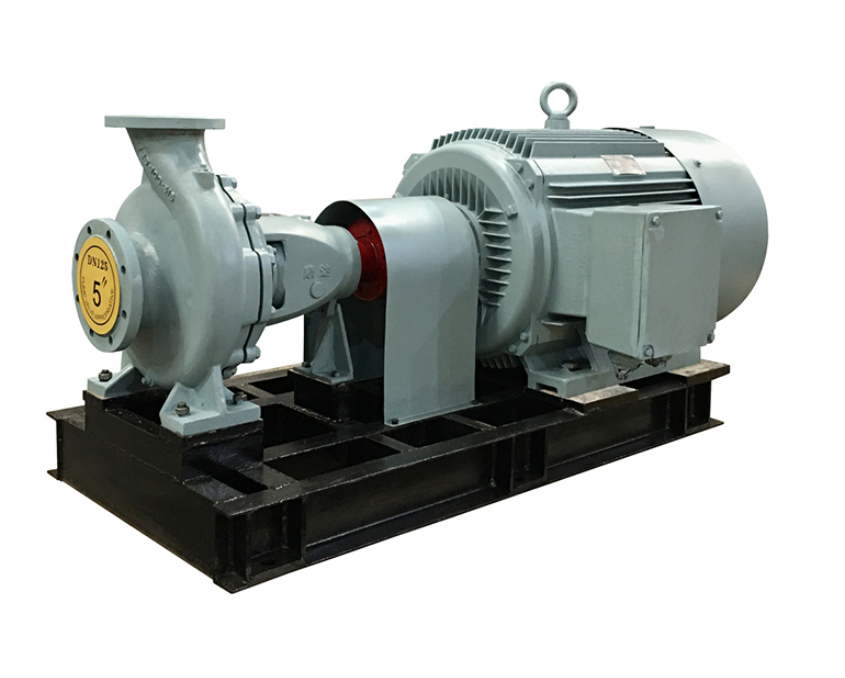
Long-Term Reliability Depends On Process Matching And Supplier Experience
A good hydrochloric acid pump is not selected by specification sheet alone. Buyers should also confirm operating cycle, installation environment, maintenance plan, and whether the supplier has handled similar acid applications before. Experience matters because it reduces trial-and-error and improves confidence in long-term process reliability.
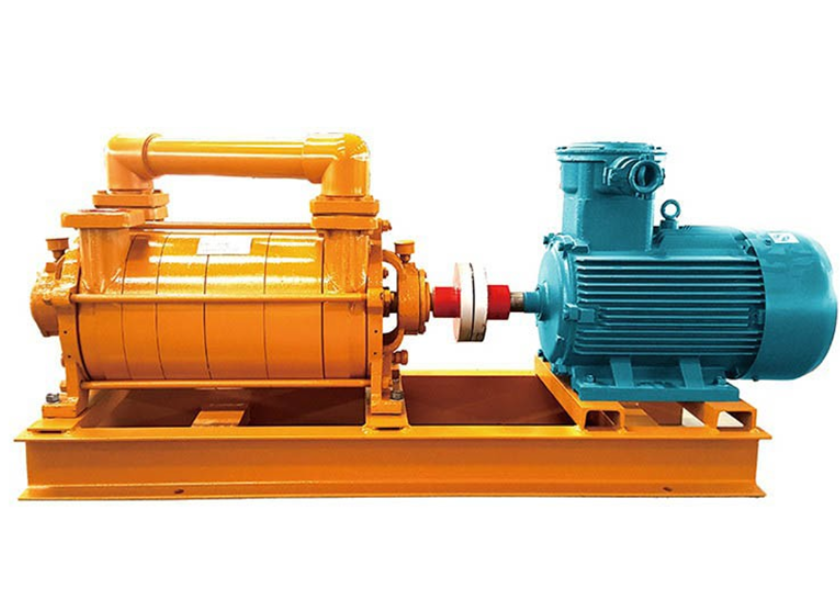
To choose a hydrochloric acid pump that improves safety, durability, and process reliability, buyers should focus on material suitability, sealing safety, and proven application experience. These factors work together to reduce risk and support more stable long-term operation.