How To Choose A Pump For Wastewater Treatment Plants
How To Choose A Pump For Wastewater Treatment Plants
Wastewater treatment plants require reliable pumps for sewage transfer, sludge handling, drainage, circulation and chemical dosing. Choosing the wrong pump can cause clogging, leakage, downtime and higher maintenance costs.
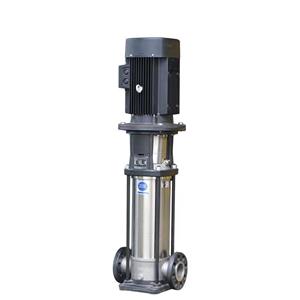
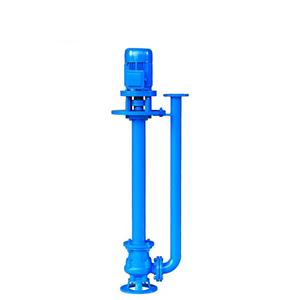
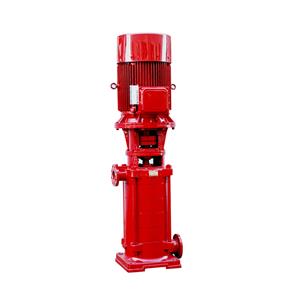
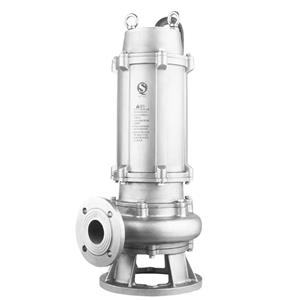
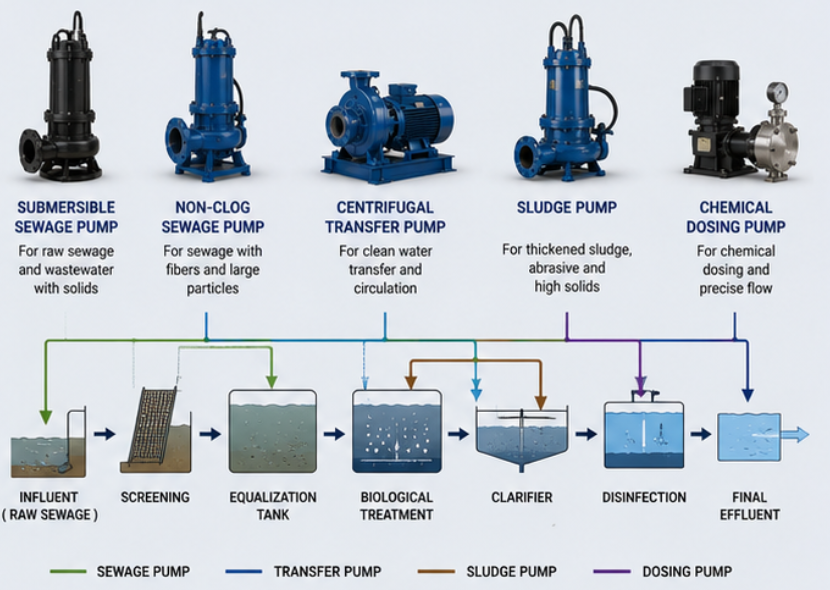
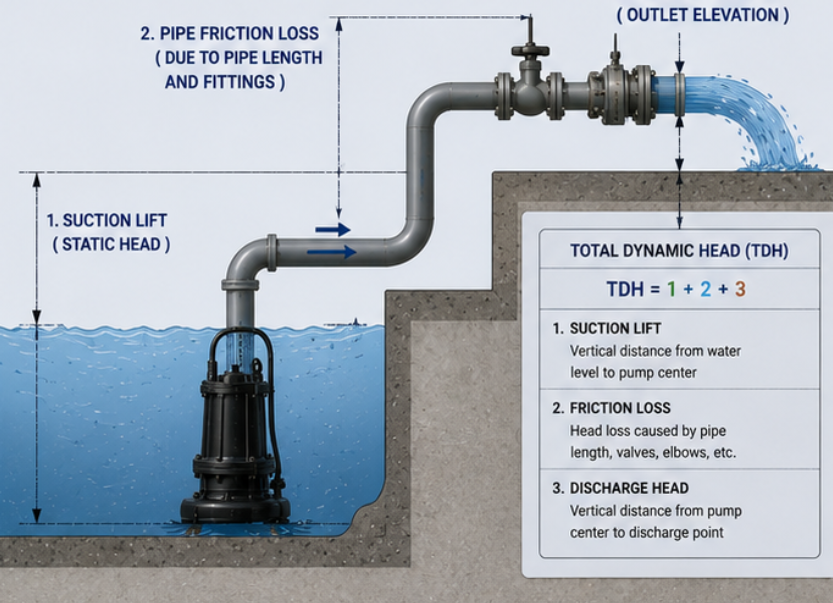
Get QuoteDifferent treatment stages handle different liquids. Buyers should first confirm whether the pump will handle raw sewage, screened wastewater, sludge, chemical wastewater, treated water or circulating process water. Raw sewage may contain fibers, solids and debris. Sludge requires stronger anti-clogging and wear resistance. Chemical wastewater may require corrosion-resistant pump materials. Common pumps used in wastewater treatment plants include: Submersible sewage pumps Non-clog sewage pumps Centrifugal transfer pumps Sludge pumps Chemical dosing pumps Vertical pumps The pump type should match the treatment process and liquid condition, not just the required flow rate. Clogging is one of the most common problems in wastewater pump systems. Buyers should check the pump’s solid passage capacity, impeller type and internal flow channel design. For wastewater with fibers, sludge or suspended solids, anti-clogging performance is more important than simply choosing a larger motor. Flow rate determines how much wastewater the pump must transfer within a certain time. Head includes vertical lift, pipeline distance, pipe friction, valves, elbows and outlet pressure. If the head is too low, wastewater cannot reach the next treatment stage. If the pump is oversized, energy consumption and operating cost may increase. Wastewater can be corrosive, abrasive or chemically contaminated. Pump casing, impeller, shaft and mechanical seal materials should match the wastewater condition. Cast iron is commonly used for general sewage applications. Stainless steel or special materials may be required for chemical wastewater, coastal plants or corrosive environments. Wastewater treatment plants need pumps that are easy to inspect, lift and maintain. For submersible pumps, guide rail installation and automatic coupling systems can reduce maintenance difficulty. Buyers should also consider control cabinet layout, cable length, lifting chain, access space and spare parts availability. To choose a pump for wastewater treatment plants, buyers should confirm the wastewater type, solids content, pump type, flow rate, head, material, seal design and installation method. GT Pump provides pump solutions for sewage transfer, sludge handling, wastewater drainage and industrial treatment projects. Our team can help review your working conditions and recommend a suitable pump model. Send your wastewater type, flow rate, head, solids content and installation requirements to GT Pump for fast pump selection support.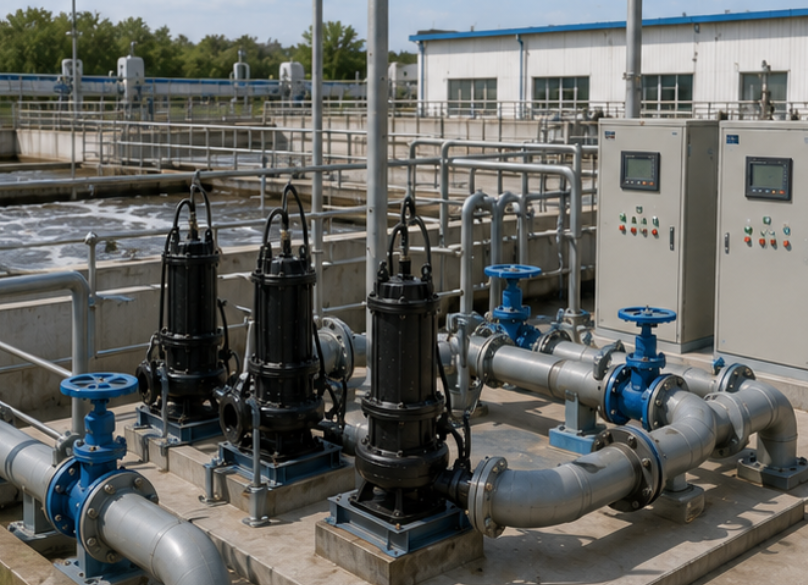
1. Confirm The Wastewater Type
2. Choose The Right Pump Type
3. Check Solids Handling And Anti-Clogging Design
4. Calculate Flow Rate And Head Correctly
5. Select Suitable Materials And Seals
6. Consider Installation And Maintenance
Selection Factor What Buyers Should Confirm Wastewater Type Raw sewage, sludge, treated water, chemical wastewater Solids Content Particle size, fibers, sludge concentration, debris Flow Rate Required capacity in m³/h, L/min or GPM Head Vertical lift, pipeline length, fittings and outlet pressure Material Cast iron, stainless steel or corrosion-resistant material Installation Submersible, dry installation, guide rail or vertical installation 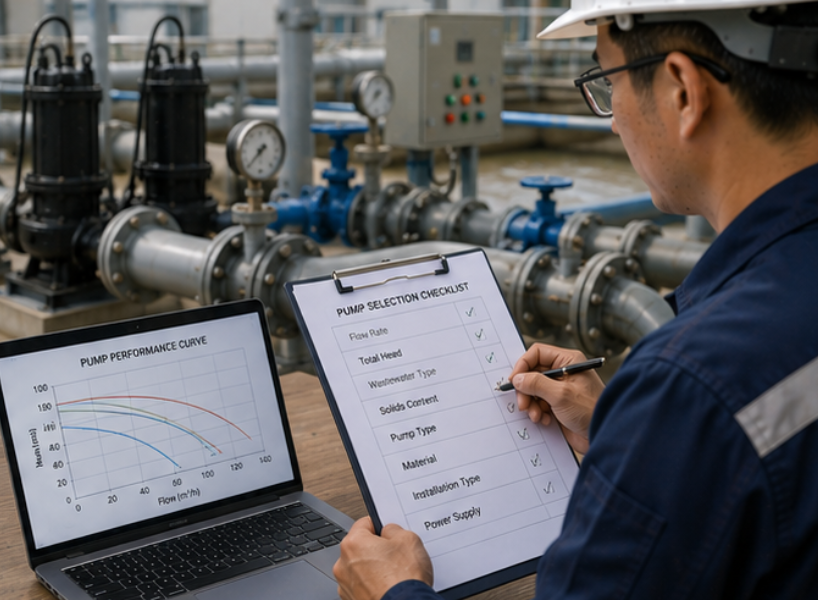
Conclusion
Need A Wastewater Treatment Pump Solution?