How To Choose A Reliable Industrial Pump Supplier For International Projects
Technical Capability Is The First Filter For A Reliable Supplier
A Supplier Must Understand Applications, Not Just Products
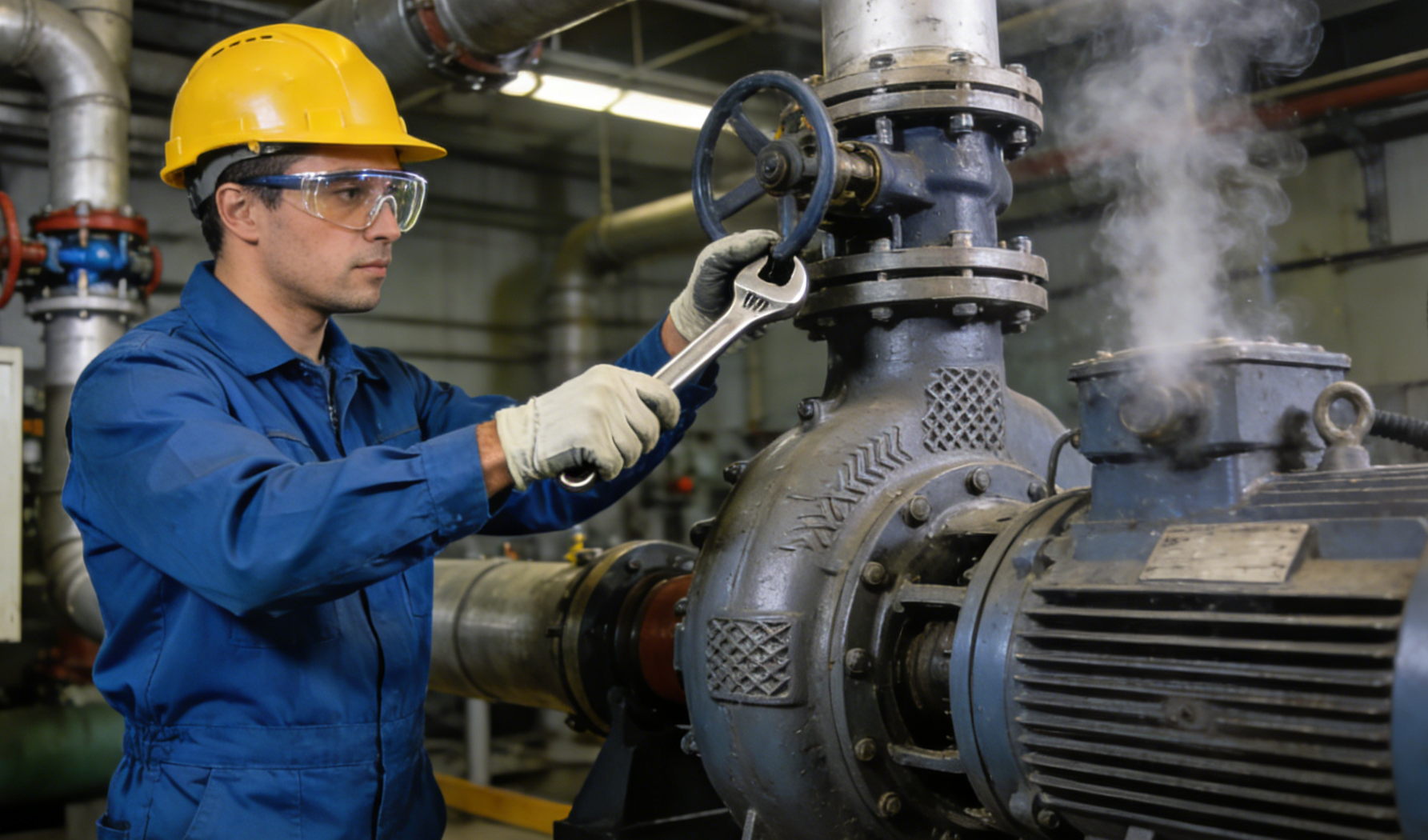
The first thing international buyers should evaluate is technical capability. A reliable pump supplier should be able to understand operating conditions clearly, including flow, head, medium properties, temperature, pressure, and installation requirements. Suppliers who only repeat catalog specifications without asking deeper application questions are often not suitable for serious industrial projects.
A technically capable supplier should also be able to explain why a certain pump type, material, or sealing solution is recommended. Buyers should pay attention to whether the supplier can clearly discuss application logic instead of repeating general claims such as “high quality” or “widely used.” Clear technical reasoning is one of the strongest signals of supplier professionalism.
In international projects, technical capability also includes documentation support. A reliable supplier should provide datasheets, performance curves, GA drawings, material information, and testing details in a clear and consistent format. If technical files are incomplete or inconsistent, that often reflects deeper problems in internal management and project execution.
Project Experience And Process Control Show Whether The Supplier Can Really Deliver
A Supplier Must Be Able To Handle More Than Manufacturing
Many suppliers can manufacture pumps, but fewer can support international projects properly. A reliable supplier should have experience with similar industries, similar operating conditions, or similar export requirements. Project experience matters because it reflects whether the supplier understands approval procedures, communication expectations, inspection standards, and delivery coordination.
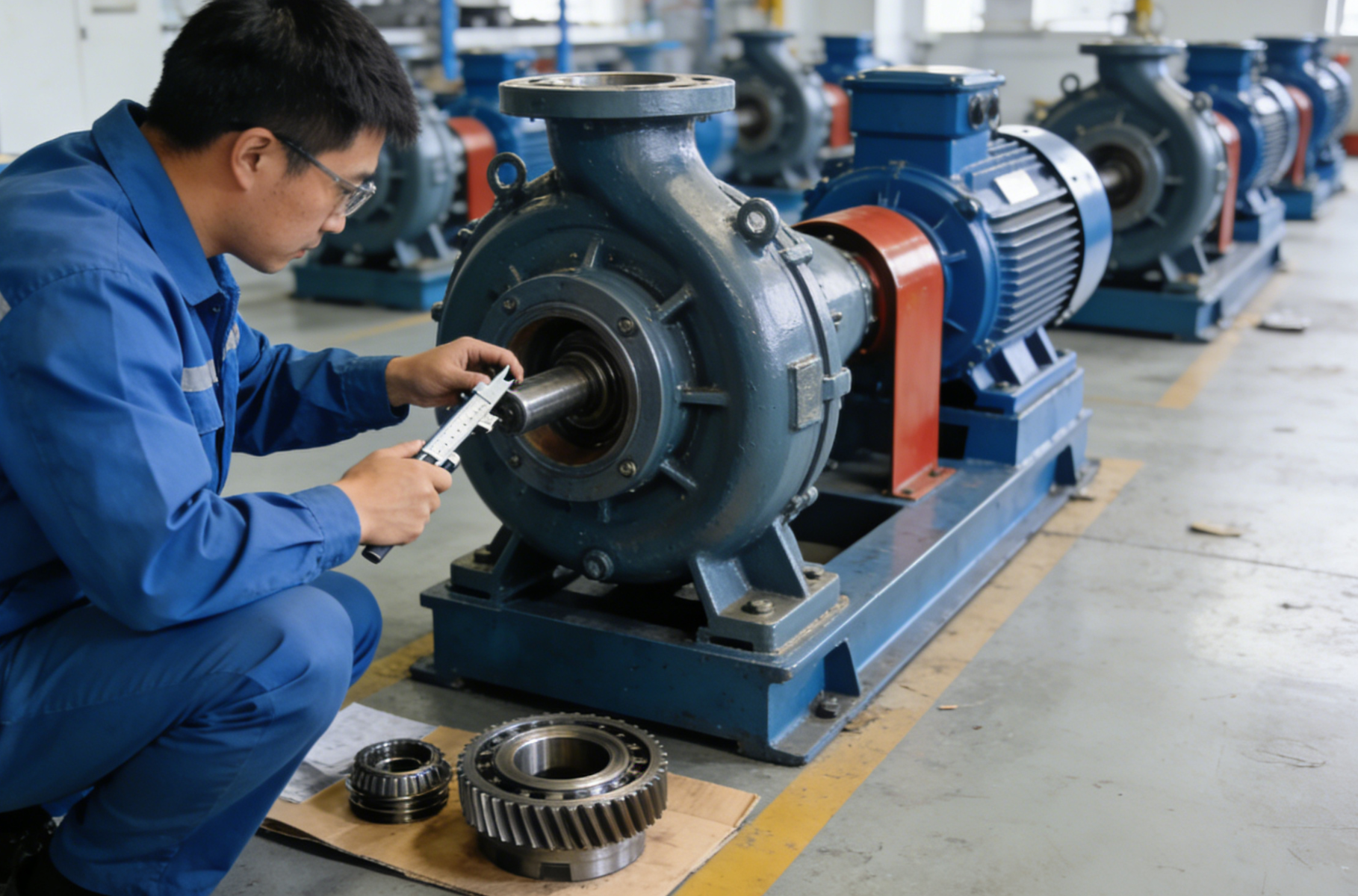
Buyers should also evaluate process control. A professional supplier can explain the production stages, key procurement timelines, quality checkpoints, and test arrangements. They should be able to show how an order moves from engineering confirmation to material preparation, machining, assembly, testing, and shipment. This kind of process transparency gives buyers more confidence than vague promises of fast delivery.
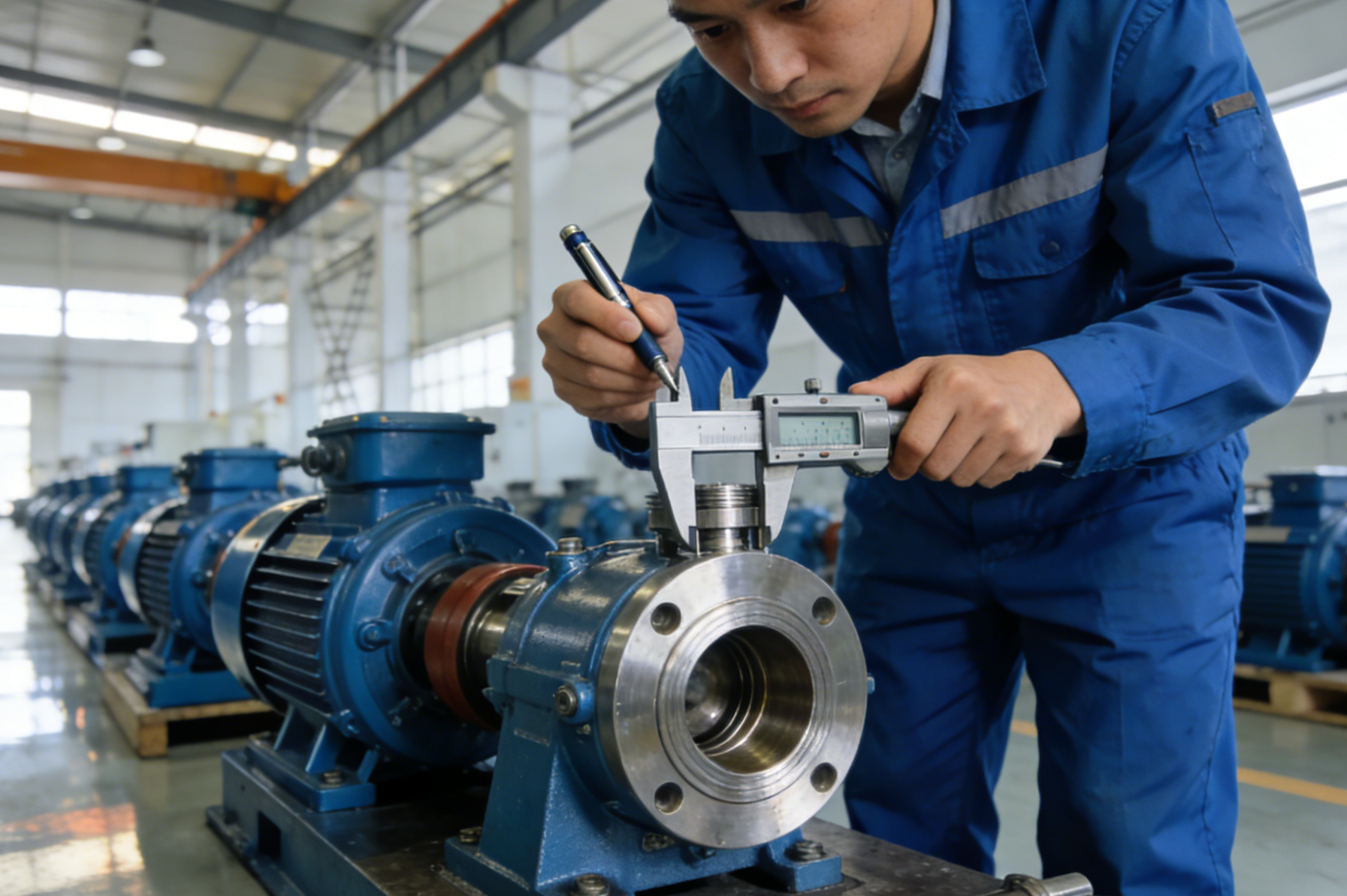
Quality control is another key sign of reliability. A supplier should not only say that quality is important; they should be able to demonstrate incoming inspection, machining inspection, assembly checks, pressure testing, performance testing, and final inspection procedures. Buyers should look for evidence, not slogans.
Communication, After-Sales Support, And Long-Term Cooperation Matter In Global Procurement
Reliability Continues After Delivery
For international buyers, reliability does not end when the pump leaves the factory. Global procurement involves time zone differences, shipping complexity, customs documentation, installation questions, and future spare parts needs. A reliable supplier should communicate clearly, respond in time, and support the buyer before and after shipment.
After-sales capability is especially important in industrial pump projects. Buyers should consider whether the supplier can provide installation guidance, maintenance manuals, spare parts identification, and troubleshooting support. Even the best equipment may face operating issues if support is weak. A supplier with strong after-sales service reduces downtime risk and improves long-term confidence.
Long-term cooperation often depends on consistency. A supplier may perform well once, but buyers should think about whether they can maintain the same document quality, production control, communication standard, and spare parts support across multiple orders. In this sense, supplier reliability is not only a short-term issue, but a long-term business decision.
Choosing a reliable industrial pump supplier for international projects is not about finding the cheapest quotation. It is about selecting a partner who can support technical evaluation, manage process control, communicate effectively, and continue supporting the equipment after delivery. In complex projects, the supplier’s capability often has as much impact on project success as the pump itself.