How To Choose A Submersible Sewage Pump For More Reliable Wastewater Handling And Drainage
Sewage Pump Reliability Depends On Real Wastewater Conditions
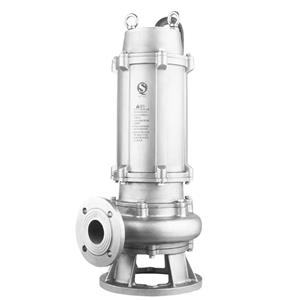
Submersible sewage pumps are widely used in municipal drainage, industrial wastewater, and building drainage systems. However, reliable performance depends on more than motor power or flow capacity. Real wastewater may contain solids, fibers, sludge, or variable liquid levels, all of which influence pump selection. Buyers who want dependable drainage performance must look at clogging resistance, durability, and operating suitability together.
Anti-Clogging Design Is Essential In Real Sewage Applications
One of the most important considerations is whether the pump can handle the actual solids and fibers present in the wastewater. In many drainage systems, clogging is the first cause of failure and unplanned maintenance. Buyers should review impeller design, passage size, and the pump’s intended solids-handling capability rather than assuming all sewage pumps perform the same.
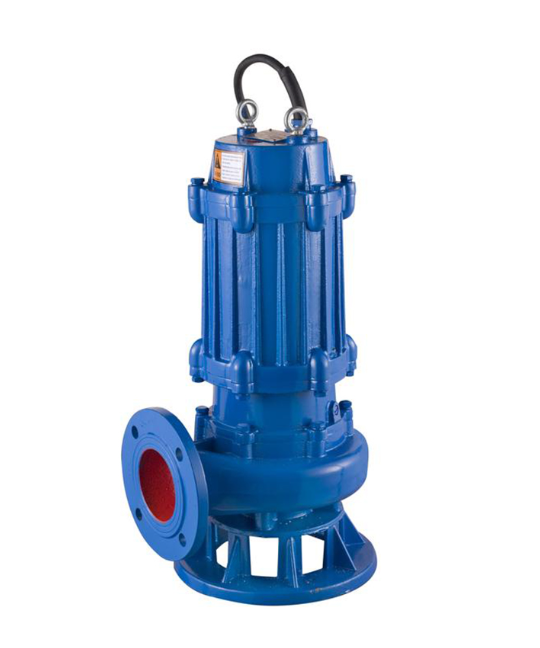
Durability Matters In Harsh Wastewater Environments
Sewage applications can be harsh because of abrasion, corrosion, and frequent start-stop operation. Buyers should confirm material quality, sealing arrangement, motor protection, and bearing durability. A pump that works in clean water may not survive long in wastewater service if these details are not designed properly.
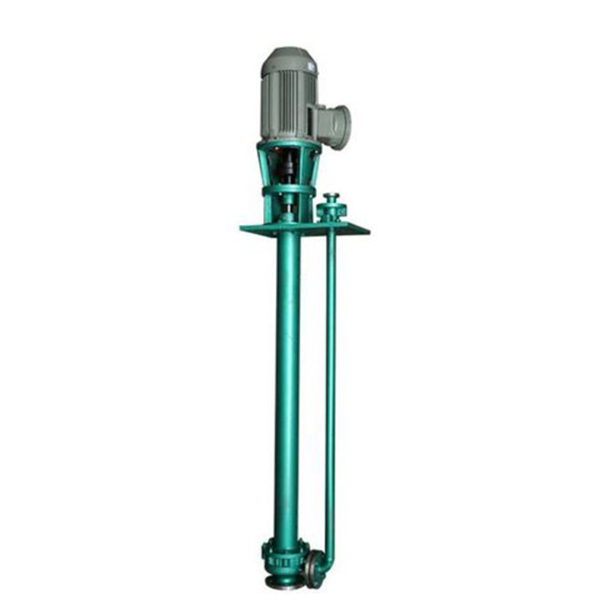
Reliable Drainage Also Depends On Installation And Duty Matching
Even a good pump can perform poorly if it is mismatched to sump conditions, lift height, duty cycle, or control mode. Buyers should confirm liquid level variation, installation method, required head, and whether the pump will operate continuously or intermittently. More reliable drainage comes from fitting the pump to the real duty, not simply buying the largest available unit.
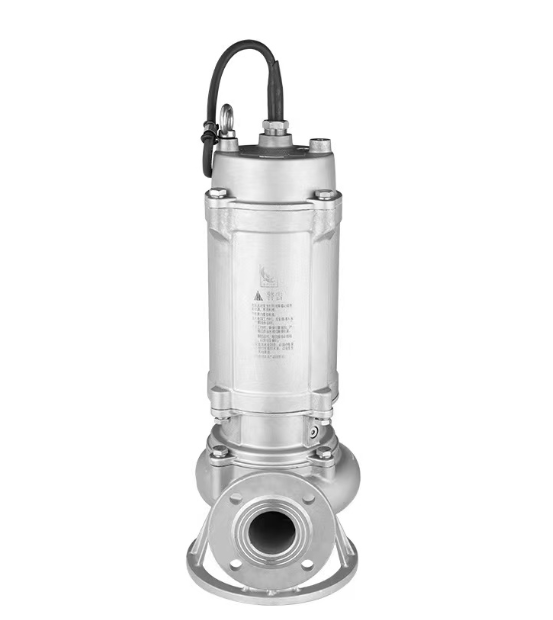
A reliable submersible sewage pump is chosen by evaluating anti-clogging capability, durability, and real duty matching together. Buyers who focus on actual wastewater conditions make better decisions and reduce future drainage problems.