How To Choose A Trailer Mounted Dewatering Pump For Rapid Response And Easy Field Deployment
Mobility Is A Major Advantage In Temporary Pumping Projects
In many temporary drainage and emergency pumping situations, mobility matters as much as pumping performance. A trailer mounted dewatering pump is valuable because it can be moved quickly between locations, positioned with less handling effort, and deployed faster in changing field conditions. For buyers managing flood control, municipal response, construction drainage, or utility support, this mobility creates real operational value.
Choose Based On Deployment Speed And Site Mobility Needs
When selecting a trailer mounted dewatering pump, buyers should first think about how the unit will actually be used in the field. If the pump must serve multiple sites, be repositioned often, or move quickly in emergency conditions, trailer design and towing practicality become highly important. Easy field movement can reduce response time significantly.
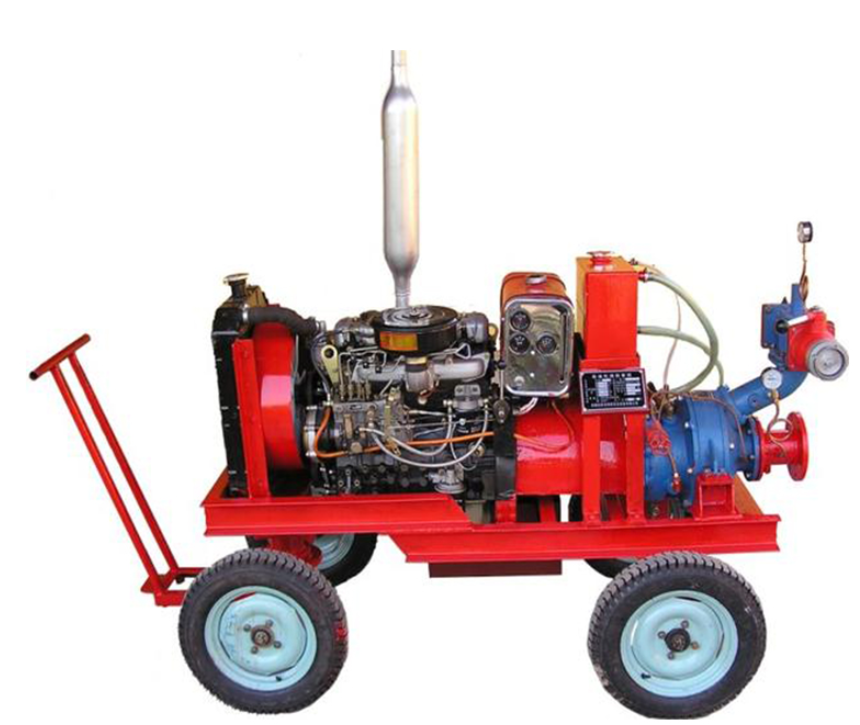
Pump Performance Still Needs To Match Real Drainage Conditions
Although mobility is a major advantage, the pump still needs to match the actual drainage duty. Buyers should confirm required flow, head, suction lift, solids handling if applicable, and how long the unit is expected to run continuously. A mobile unit is only valuable if it also meets the real pumping demand.
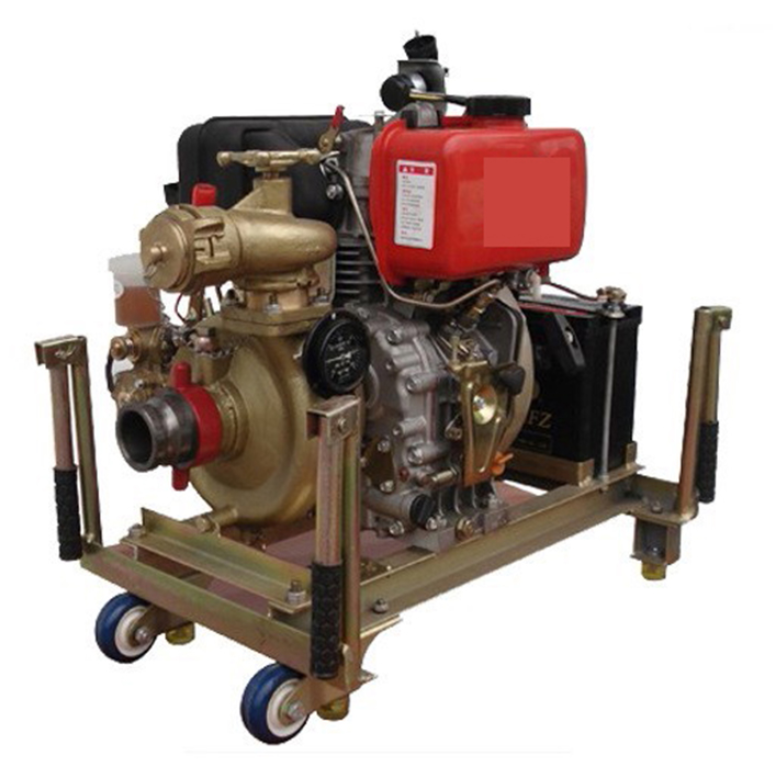
Practical Features Improve Real-World Field Efficiency
Buyers should also review practical field-use features such as fuel capacity, startup convenience, weather protection, hose connection layout, and service accessibility. Trailer mounted pumps are often chosen because they simplify operations, so small practical details can make a big difference during actual deployment.
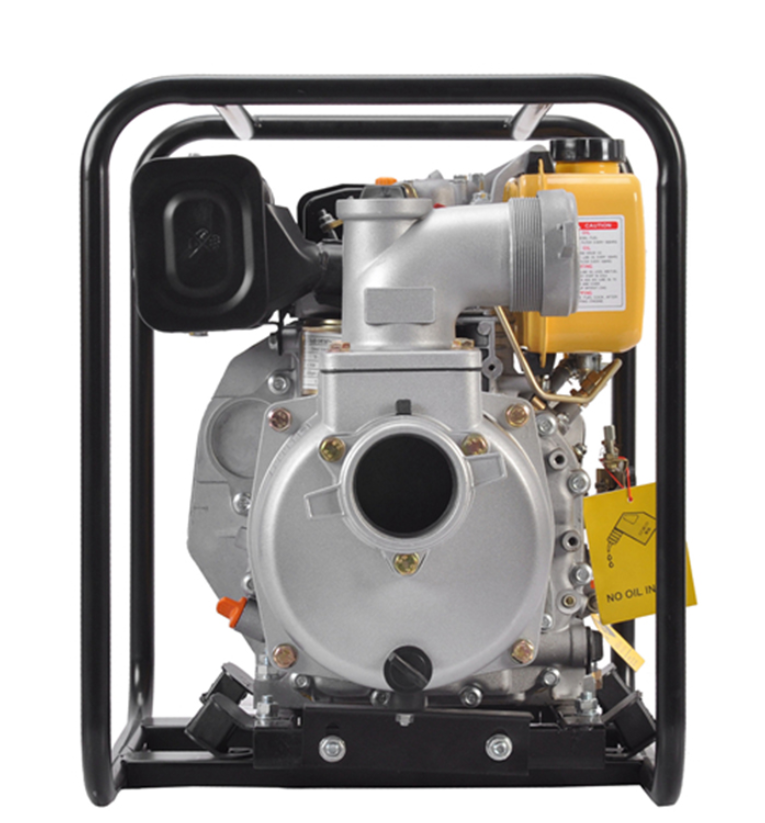
A trailer mounted dewatering pump is the right choice when rapid response, easy transport, and practical field deployment all matter. Buyers who evaluate mobility together with real drainage performance and on-site usability make better long-term equipment decisions.