How To Choose A Vertical Centrifugal Pump That Delivers Stable Pressure And Low Maintenance
Stable Pressure Is More Important Than Just Flow Capacity
In industrial water systems, pressure stability often matters more than maximum flow capacity. Many buyers select vertical centrifugal pumps based on basic parameters, but overlook whether the pump can maintain consistent pressure during real operation. A pump that fluctuates under varying demand can cause system inefficiency, equipment stress, and higher maintenance costs over time.
Match Pump Selection With Real Operating Conditions
A vertical centrifugal pump should be selected based on actual system demand rather than theoretical peak conditions. Buyers should confirm flow range, pressure variation, and operating frequency. Pumps running too far from their best efficiency point often experience unstable pressure and unnecessary wear.
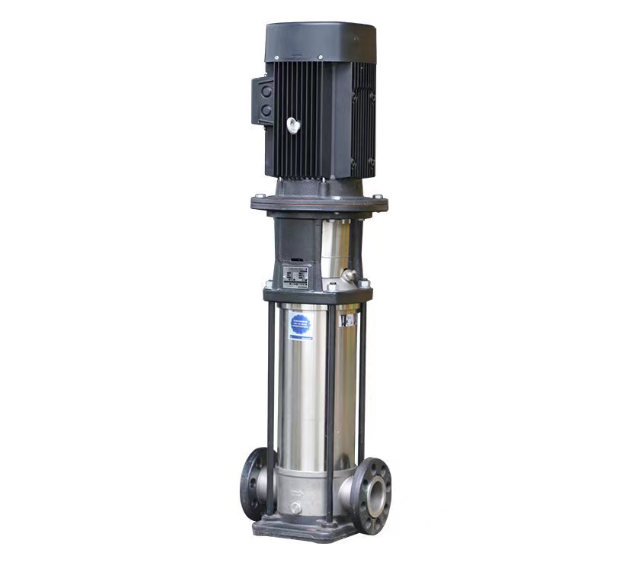
Focus On Mechanical Design And Sealing Reliability
Stable pressure performance depends not only on hydraulic design, but also on mechanical structure. Shaft alignment, bearing support, and sealing system all influence long-term stability. Poor sealing or misalignment often leads to leakage and vibration, which directly affect pressure consistency.
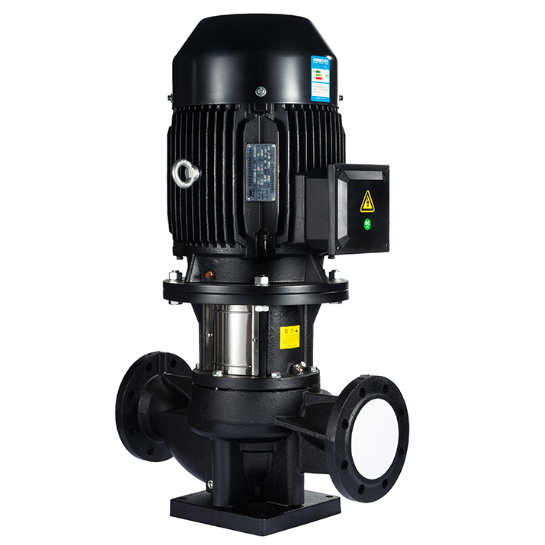
Reduce Maintenance Through Better Material And Build Quality
Material quality and manufacturing precision play a major role in reducing maintenance frequency. A well-built vertical centrifugal pump can maintain performance for longer periods without frequent intervention. Buyers should prioritize durability over short-term cost savings.
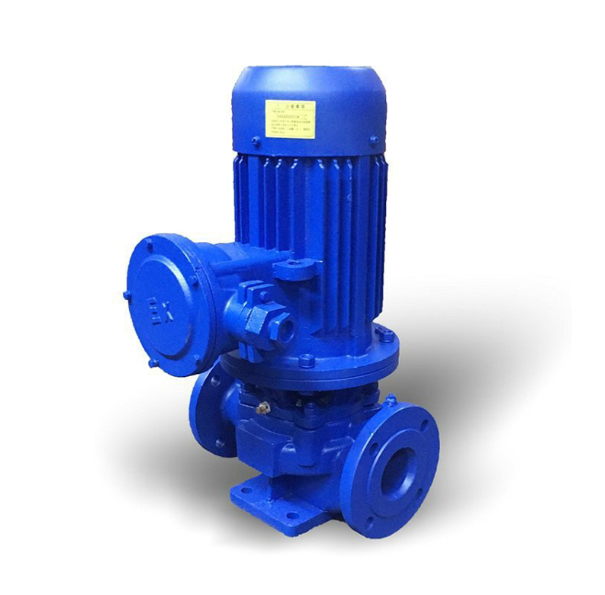
Choosing a vertical centrifugal pump with stable pressure and low maintenance requires careful evaluation of operating conditions, mechanical design, and build quality. A well-selected pump reduces long-term cost and ensures system reliability.