How To Choose The Right Industrial Pump For Different Working Conditions
Why Pump Selection Is Critical In Industrial Projects
Choosing an industrial pump is not simply about selecting a model from a catalog. In real projects, incorrect pump selection can lead to unstable flow, excessive energy consumption, frequent maintenance, or even system failure. For international buyers, the biggest risk is not price — it is whether the pump can reliably match the actual working conditions over time.
Key Operating Parameters Define The Right Pump Selection
The first step in selecting the right pump is understanding the exact operating parameters. These parameters determine whether a pump will operate efficiently or fail prematurely. The most critical factors include flow rate, head, medium properties, temperature, pressure, and viscosity. Even small deviations in these parameters can significantly affect performance and reliability.
For example, pumps handling clean water behave very differently from those handling corrosive or abrasive fluids. Similarly, high-temperature applications require different material and sealing solutions compared to standard conditions. Buyers should always provide detailed operating data to ensure proper matching.
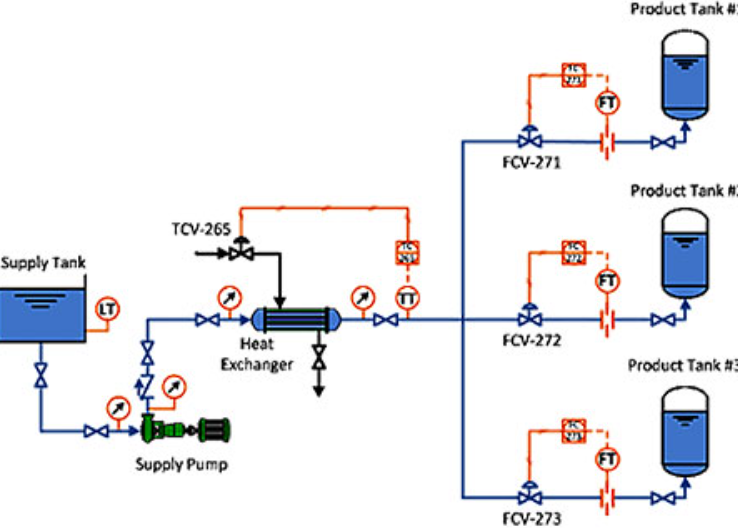
Matching Pump Type And Material To Application Conditions
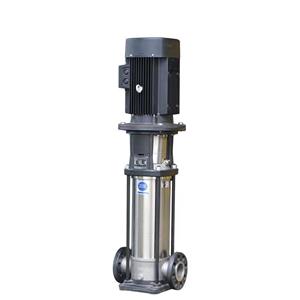
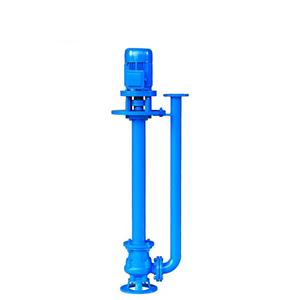
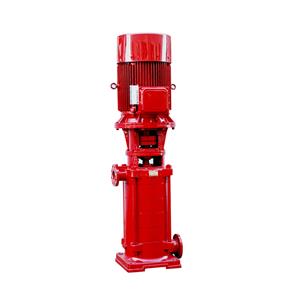
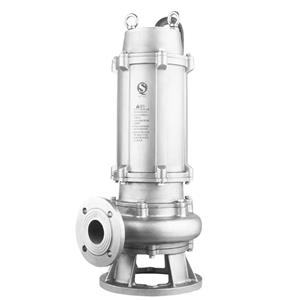
Different working conditions require different pump types and material configurations. Centrifugal pumps are widely used for general applications, while multistage pumps are more suitable for high-pressure systems. For abrasive or solid-containing fluids, slurry pumps are often required. Each type is designed for specific performance requirements.
Material selection is equally important. Stainless steel, duplex steel, or special alloys may be necessary for corrosive environments. Choosing the wrong material can result in rapid wear, leakage, or even safety risks. Therefore, material selection should always be based on medium composition and operating conditions, not just cost considerations.
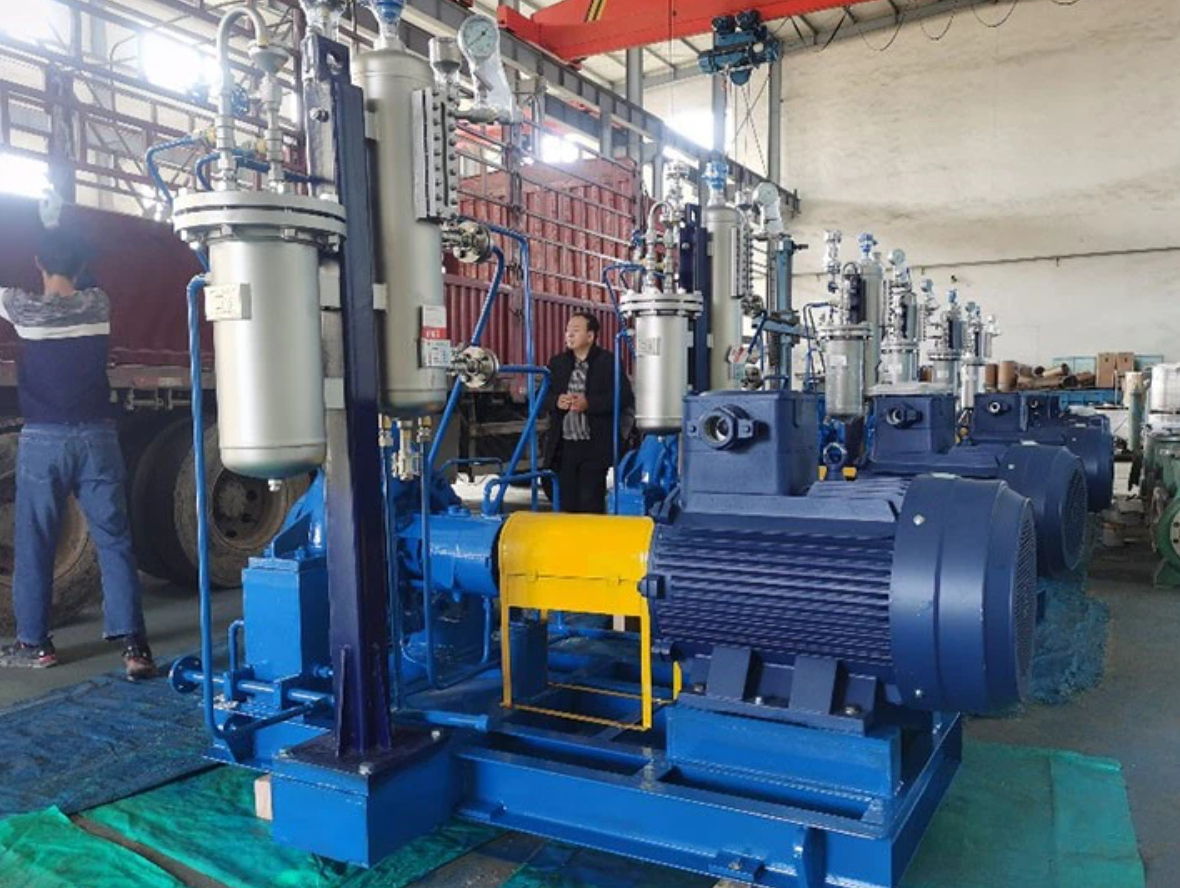
Evaluating Supplier Capability Beyond Product Specifications
Selecting the right pump is not only about the product itself, but also about the supplier’s capability. A reliable supplier should provide complete technical documentation, including datasheets, performance curves, and drawings. These documents are essential for engineering validation and project approval.
In addition, buyers should evaluate the supplier’s experience in similar applications. A supplier who has delivered pumps for oil & gas, chemical, or industrial projects is more likely to understand real-world operating challenges. Testing capabilities, quality control processes, and after-sales support are also critical factors.

Choosing the right industrial pump is a process of balancing performance, reliability, and long-term cost. The best choice is not necessarily the lowest-priced option, but the one that ensures stable operation, minimal downtime, and predictable maintenance. For international procurement, a well-matched pump combined with a reliable supplier significantly reduces project risk.