How To Evaluate Pump Reliability In Long-Term Operation
Long-Term Reliability Matters More Than Initial Performance
For international buyers, a pump that performs well during initial testing is not enough. The real question is whether it can continue operating reliably after months or years of service. In industrial projects, pump failure does not only mean repair cost. It can also lead to production interruption, safety risk, delivery delay, and unexpected maintenance pressure. That is why long-term reliability is one of the most important factors in industrial pump procurement.
Many buyers focus too much on rated parameters, but long-term reliability depends on a much broader combination of hydraulic design, material selection, manufacturing accuracy, testing process, and maintenance support. A pump may look competitive on paper, but its real value is proven only by stable service over time.
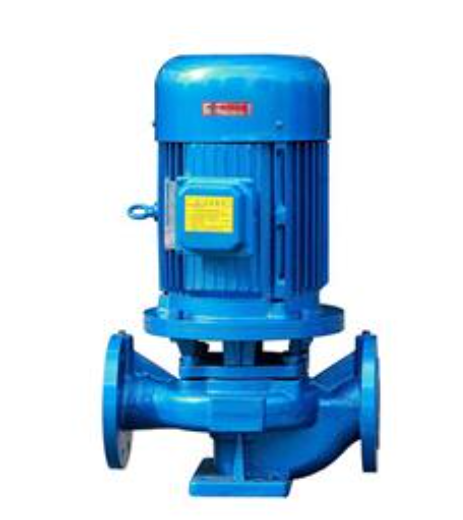
Reliable Hydraulic And Mechanical Design Determines Service Stability
Why Design Quality Matters In Continuous Operation
The first step in evaluating pump reliability is understanding the quality of its design. A reliable pump is not simply one that reaches the target flow and head. It must also maintain stable performance under continuous load, operating fluctuations, and real application conditions. Good hydraulic design helps reduce internal recirculation, vibration, overheating, and efficiency loss, all of which directly affect long-term service life.
Mechanical design is equally important. Shaft structure, bearing arrangement, seal chamber design, and casing strength all influence whether the pump can operate smoothly for extended periods. Poor mechanical design may not fail immediately, but it often causes progressive problems such as leakage, abnormal noise, bearing damage, or repeated shutdowns.
For buyers, this means reliability should be judged not only by catalog performance, but also by how well the pump is engineered for real working conditions. Pumps intended for oil & gas, chemical processing, or continuous industrial duty should demonstrate design maturity rather than just nominal capability.
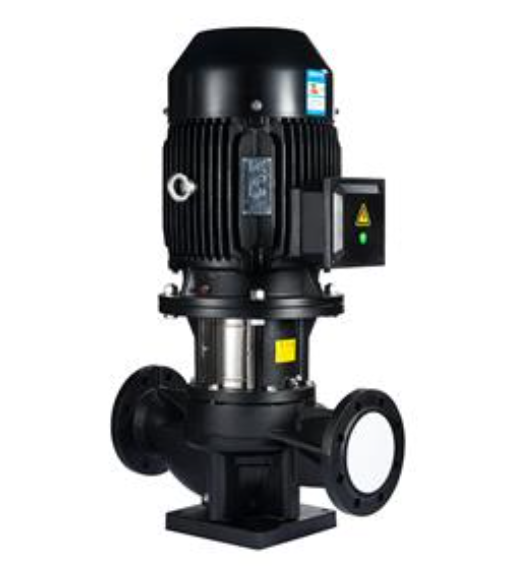
Material Quality, Manufacturing Accuracy, And Testing Reveal The Real Reliability Level
A Reliable Pump Must Be Proven, Not Just Promised
Long-term pump reliability depends heavily on the quality of materials and manufacturing processes. Even a good design can perform poorly if the shaft has low machining precision, if the impeller balance is inconsistent, or if the bearing housing is not properly controlled. Over time, these small defects can lead to vibration, efficiency loss, premature wear, and unexpected failure.
Material selection is another critical point. Wetted parts must suit the actual medium, especially in corrosive, abrasive, or high-temperature environments. Buyers should not assume that standard material is always acceptable. A pump may run normally in the beginning, but if the material is not suitable for the liquid composition or operating temperature, long-term damage becomes unavoidable.
Testing is where promises become evidence. A supplier that can provide hydrostatic testing, performance testing, vibration data, and running test records gives buyers more confidence than one that only offers a quotation. Reliability should be supported by measurable validation, not by generic claims such as “stable quality” or “high performance.”
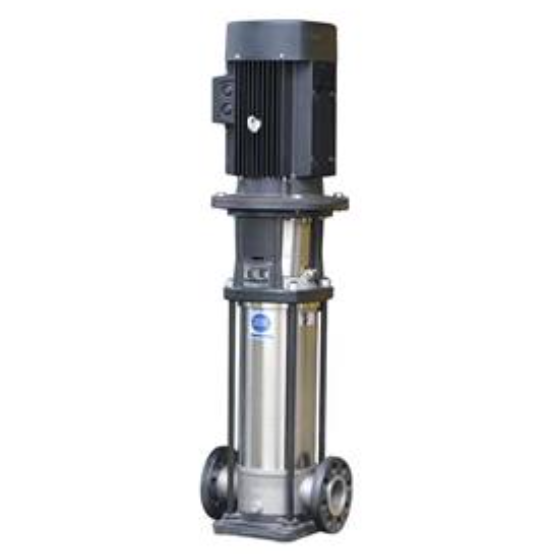
Maintenance Support And Service Planning Determine Long-Term Ownership Risk
A Reliable Pump Is Also Easier To Maintain And Support
From a procurement perspective, reliability is not only about how rarely a pump fails. It is also about how manageable the pump is during its service life. Even high-quality equipment needs maintenance, and buyers should evaluate whether spare parts are easy to identify, whether service procedures are clear, and whether technical support is available when problems occur.
A pump with poor spare parts planning can create major operational risk. If the buyer cannot quickly replace wear parts or confirm the correct seal, bearing, or impeller version, a small maintenance issue may become a long downtime event. Reliable suppliers usually provide spare parts lists, exploded drawings, maintenance manuals, and service recommendations in advance.
Buyers should also consider whether the supplier has experience supporting similar applications over time. A pump may be acceptable at delivery, but long-term reliability depends on whether the supplier understands service conditions, operating feedback, and maintenance realities. The best supplier is not only able to manufacture the pump, but also able to support its performance after installation.
In long-term operation, pump reliability is the result of good design, suitable materials, precise manufacturing, verified testing, and practical maintenance support. For serious industrial buyers, the goal is not simply to buy a pump that can run today, but to select one that can continue running with predictable performance and controlled maintenance cost.
The most reliable pump is rarely the one with the lowest initial price. It is the one that reduces unplanned downtime, protects process continuity, and gives the buyer confidence throughout the entire service life of the equipment.