How To Reduce Total Cost Of Ownership When Buying Industrial Pumps
Correct Pump Selection Reduces Energy Waste And Avoids Hidden Operating Cost
A Pump That Matches The Application Usually Costs Less Over Time
One of the biggest factors in total ownership cost is whether the pump is correctly matched to the working conditions. If the pump is oversized, undersized, or operating too far away from its best efficiency point, it may consume more energy, run less stably, and suffer from premature wear. These problems do not always appear on the quotation sheet, but they can create significant cost during operation.
A pump that is well selected for flow, head, medium, and operating pattern can usually run closer to its intended efficiency range. This reduces power consumption and improves stability. Over months and years of service, energy savings often become far more important than a small difference in purchase price.
In other words, buyers should not simply ask, “Which pump is cheaper to buy?” They should ask, “Which pump is more likely to run efficiently in my real process?” That question usually leads to better long-term economics.
Better Materials And Build Quality Often Lower Maintenance And Replacement Cost
A Lower Initial Price Can Lead To Higher Maintenance Spending
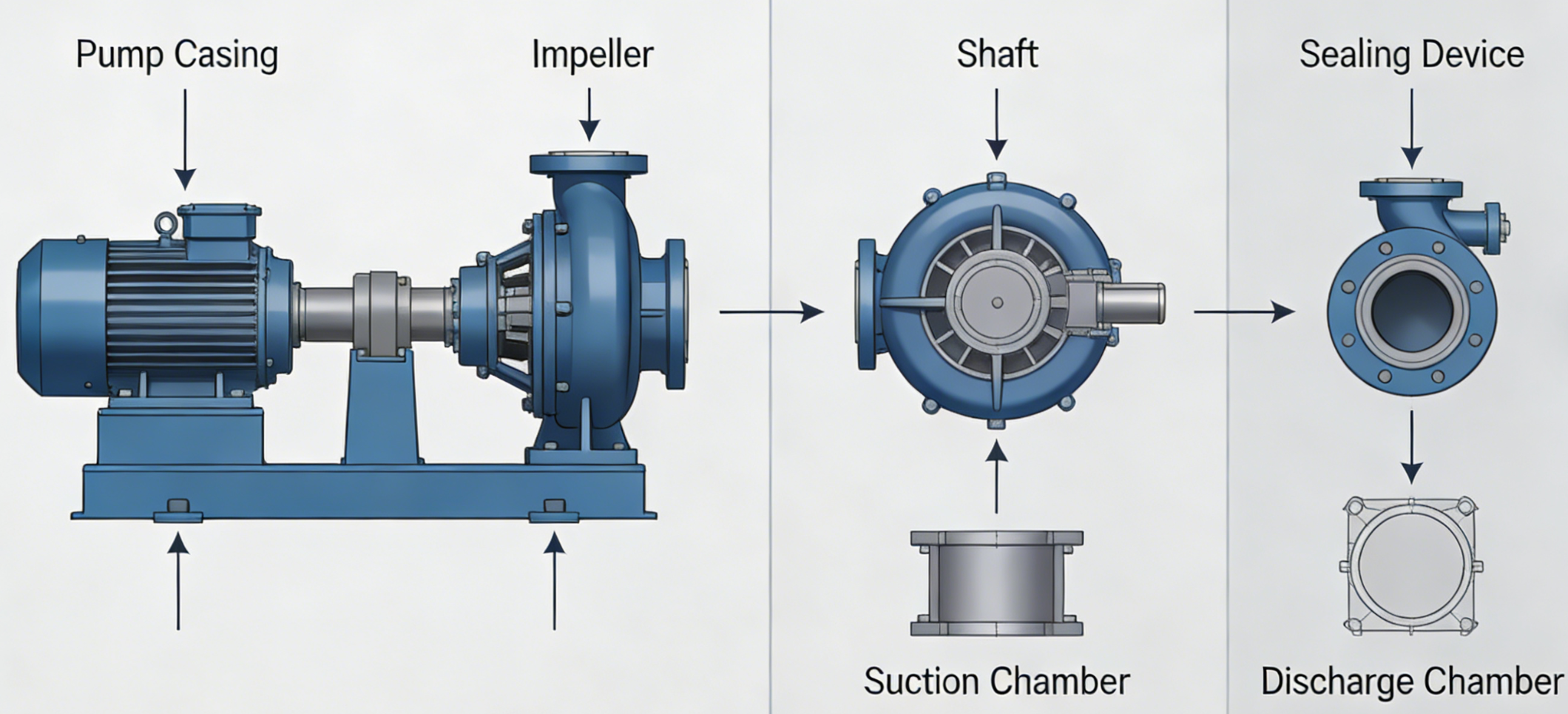
Another major part of total ownership cost comes from maintenance and replacement. Pumps working in corrosive, abrasive, high-temperature, or high-pressure environments need suitable materials and reliable construction. If the selected pump uses lower-grade materials or weaker sealing and bearing arrangements, the equipment may require more frequent repair and replacement.
Repeated seal failures, bearing damage, impeller wear, or casing corrosion are not just technical issues—they are cost issues. Every maintenance event consumes labor, spare parts, production time, and sometimes emergency response cost. In continuous industrial service, these costs can quickly exceed the original savings from buying a cheaper pump.
That is why buyers should evaluate material suitability, machining quality, assembly consistency, and testing capability before focusing too much on price. A better-built pump often costs more at the beginning, but far less over its full working life.
Spare Parts Planning And Supplier Support Help Control Downtime Cost
Downtime Is Often The Most Expensive Part Of Pump Ownership
When buyers think about TCO, they often focus on energy and maintenance, but downtime can be even more expensive. If a pump stops unexpectedly in a critical process, the cost may include production loss, delivery delay, labor disruption, and urgent spare parts sourcing. In some industries, a short shutdown can cost far more than the pump itself.
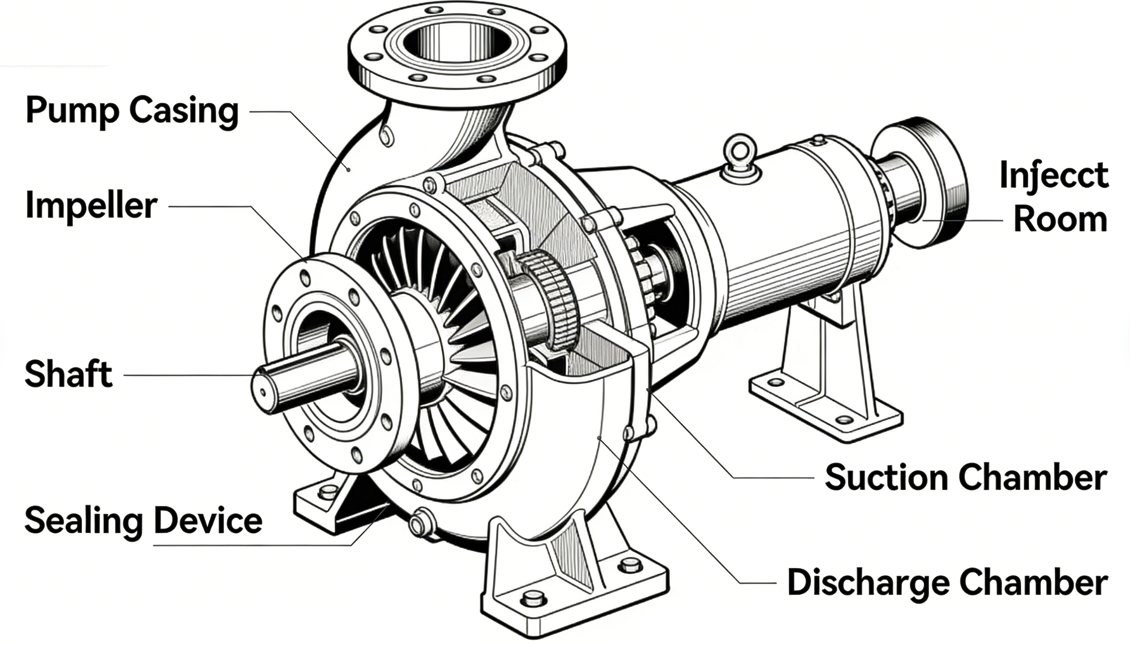
A reliable supplier helps reduce this risk by providing practical after-sales support, clear maintenance guidance, and suitable spare parts planning. Buyers should know which parts are consumable, which parts are critical, and what should be stocked locally to avoid unnecessary delay during maintenance.
Supplier responsiveness also matters. A pump manufacturer who provides fast technical support and clear troubleshooting guidance adds real value over time. In TCO terms, support capability is not a soft factor—it is part of cost control.
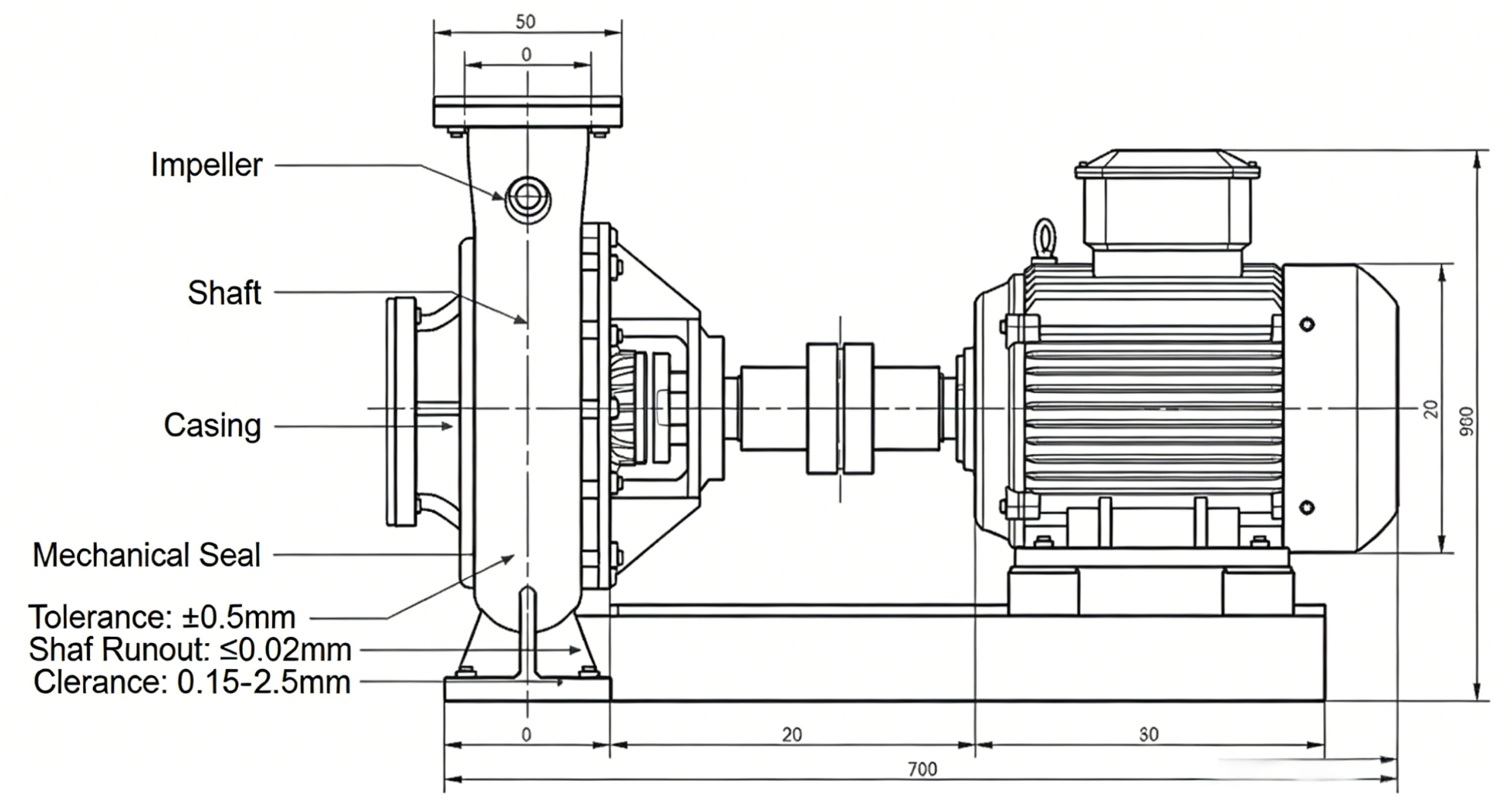
Reducing total cost of ownership when buying industrial pumps is not about finding the lowest quotation. It is about making better technical and commercial decisions at the beginning—selecting the right pump, choosing suitable materials, evaluating build quality, planning maintenance, and working with a supplier that can support long-term operation.
For international buyers, the best pump is not simply the one with the lowest purchase price. It is the one that delivers stable performance, lower maintenance burden, reduced downtime, and more predictable cost throughout its service life.