How To Select A Horizontal Multistage Pump For Reliable High-Pressure Water Supply
High Pressure Water Supply Needs More Than A Higher Head Number
In high-pressure water supply systems, selecting the right pump is not simply about choosing a model with a higher head value. Buyers often focus on pressure requirements first, but real reliability depends on how well the pump matches the full operating conditions, including flow range, system resistance, liquid quality, and expected running hours. A horizontal multistage pump can be an excellent solution, but only when it is selected with long-term performance in mind.
Match The Pump To The Real Pressure And Flow Requirements
The first step in selecting a horizontal multistage pump is understanding the actual duty conditions rather than only the target pressure. Buyers should confirm required flow rate, total dynamic head, suction conditions, liquid temperature, and whether the system load will remain stable or vary over time. A pump that is oversized or undersized may still operate, but it can create unnecessary energy loss, pressure instability, and increased wear.
Because multistage pumps are designed to build pressure through multiple impellers, they are particularly suitable for applications where stable high pressure is needed over long distances or multiple elevations. However, buyers should still verify whether the pump will run near its best efficiency point under real operating conditions. Reliable high-pressure supply comes from proper matching, not from choosing the highest-rated model.
Evaluate Mechanical Design, Materials, And Running Stability
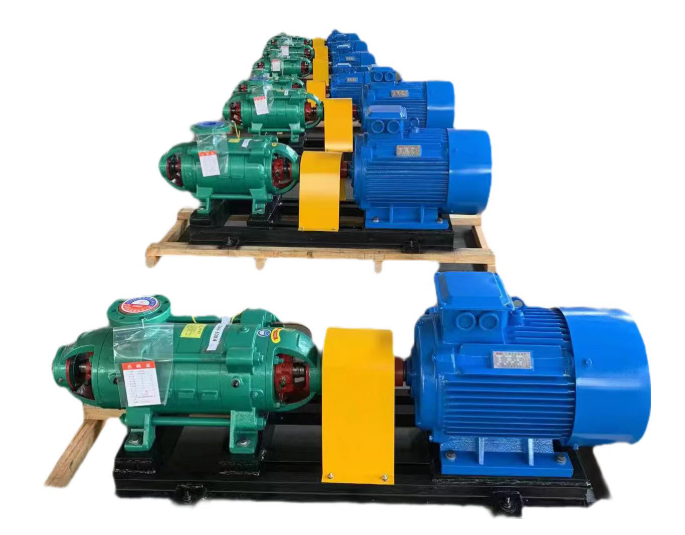
A reliable high-pressure pump must have more than sufficient hydraulic performance. Mechanical design becomes even more important as pressure increases. Buyers should review shaft strength, bearing support, sealing arrangement, casing construction, and how the pump manages axial force and long-term vibration. These factors directly affect service stability and maintenance frequency.
Material selection also matters, especially if the water contains dissolved minerals, elevated temperature, or other factors that may affect corrosion and wear. Buyers should not assume all high-pressure water applications are the same. The more demanding the service, the more carefully materials and sealing details should be reviewed.
Running stability is another essential consideration. High-pressure pumps that experience vibration, seal leakage, or bearing stress under continuous operation often create more long-term cost than buyers initially expect. A well-built pump should maintain stable performance over time, not just pass initial startup.
Review Testing, Maintenance Access, And Supplier Support
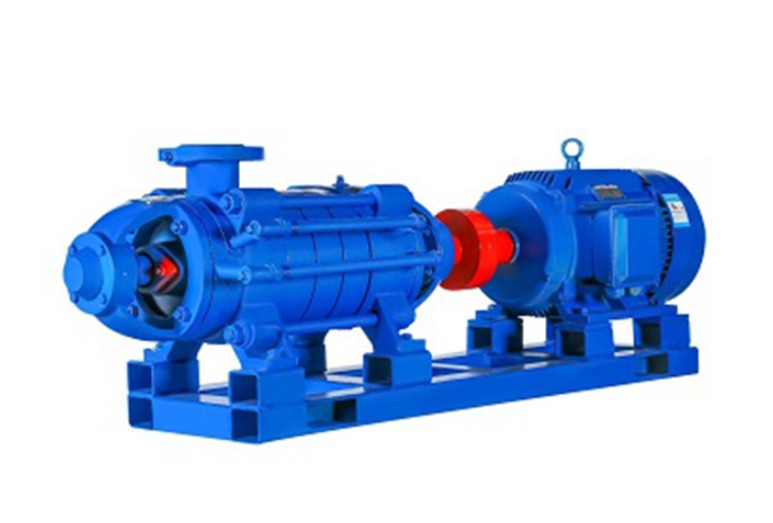
Before final selection, buyers should confirm how the pump’s performance has been validated. A reliable supplier should be able to provide performance curves, pressure test records, and where necessary, vibration or running test data. These documents help buyers move from theoretical confidence to evidence-based approval.
Maintenance practicality should also be reviewed. High-pressure supply systems often run for long periods, so buyers should confirm how easy it is to access seals, bearings, and other wear parts. A pump that is efficient but difficult to maintain may create unnecessary operational burden later.
Finally, supplier support matters. Buyers should not only compare pump models, but also ask whether the supplier can provide installation guidance, spare parts planning, and technical support during startup and operation. For high-pressure applications, support capability often makes the difference between smooth service and repeated troubleshooting.
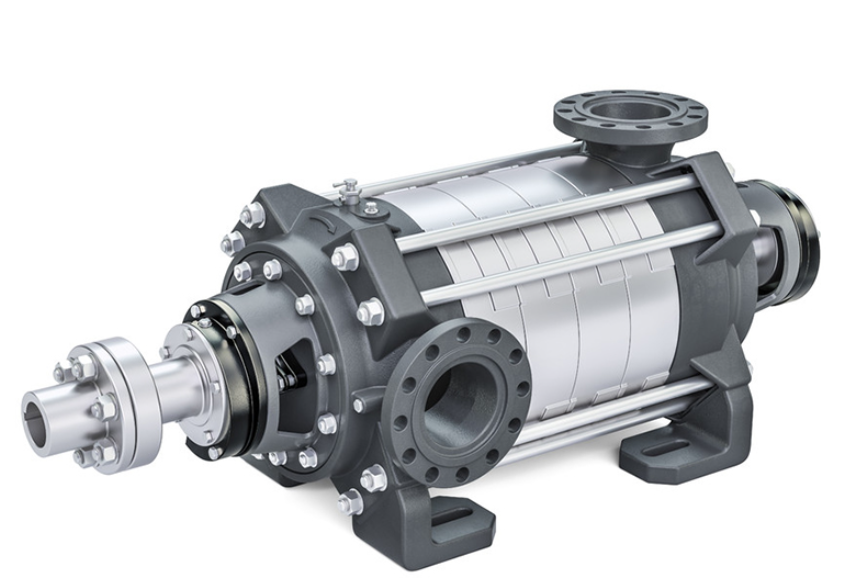
To select a horizontal multistage pump for reliable high-pressure water supply, buyers should evaluate actual pressure and flow requirements, mechanical and material integrity, and the supplier’s ability to validate and support long-term operation. A good selection reduces energy waste, improves service stability, and gives the system stronger long-term reliability.