How To Verify Whether An Industrial Pump Can Handle Real Site Conditions
In industrial pump procurement, many products look acceptable on paper. The datasheet may show the right flow, head, and motor power, but that does not automatically mean the pump will perform well on the actual site. Real operating environments often include temperature fluctuation, unstable suction conditions, medium variation, installation limitations, and continuous-duty pressure. For international buyers, the real question is not whether the pump can run in theory, but whether it can run reliably under real site conditions.
Review Site Data Beyond Basic Flow And Head
The first step is to verify whether the supplier asks for detailed site information, not just nominal flow and head. Buyers should confirm suction conditions, liquid composition, temperature range, viscosity, solids content, inlet pressure, and expected operating hours. These details directly affect hydraulic matching, NPSH margin, seal design, and material suitability. A supplier that quotes only from a simple parameter sheet may not be evaluating the real application risk.
The second part is to examine operating variation. Many systems do not run at a single fixed point. Flow may rise or fall, liquid properties may change, or the suction tank level may fluctuate. Buyers should ask whether the selected pump can remain stable under these variations. Real site suitability depends on the operating window, not only the rated point.
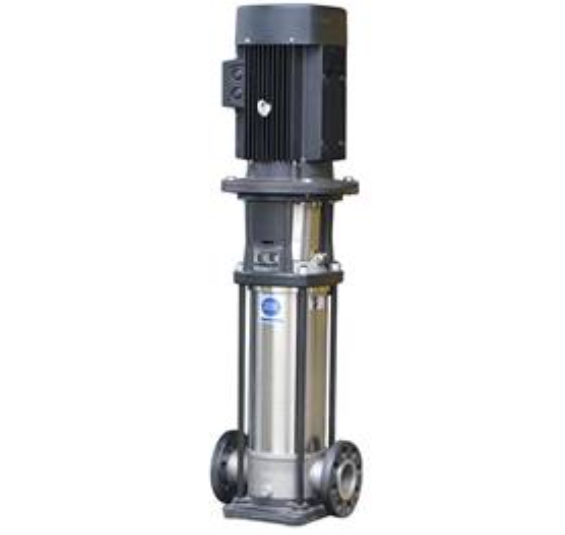
Check Whether The Pump Has Been Used In Similar Applications
A strong way to verify site suitability is to ask for similar application experience. A pump that has already been used in comparable industries or service conditions offers more confidence than one selected only from catalog theory. Buyers should look for references involving similar medium, temperature, duty cycle, and plant environment.
It is also important to ask what modifications were made for those applications. Real site matching may involve different impeller trimming, sealing systems, baseplate structure, motor configuration, or material upgrades. This reveals whether the supplier understands how to adapt the pump to real conditions instead of offering a one-size-fits-all solution.
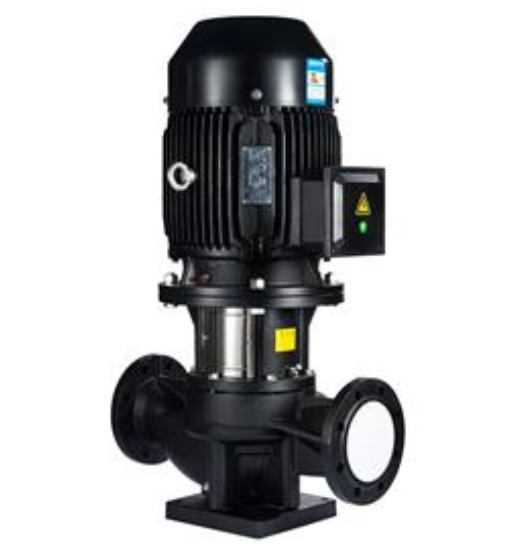
Confirm Testing, Installation Fit, And Startup Support
Even if a pump appears technically suitable, buyers should still verify how that suitability is confirmed. Factory performance testing, hydrostatic testing, vibration checks, and dimensional inspection all help reduce uncertainty before shipment. In critical projects, evidence matters more than assumption.
Buyers should also confirm installation fit and startup support. A pump may be hydraulically correct but still cause problems if nozzle orientation, base dimensions, foundation requirements, or commissioning steps are not aligned with site reality. Reliable suppliers support not only product delivery, but successful site startup.
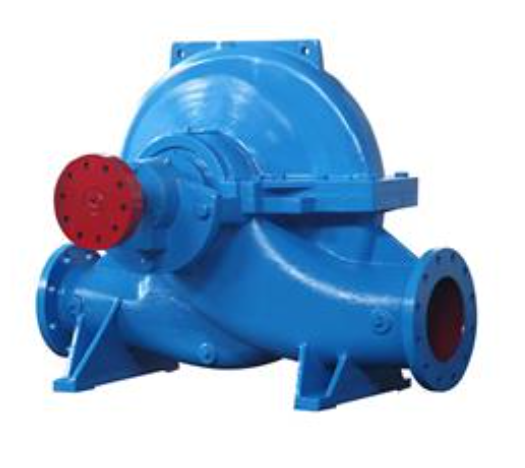
To verify whether an industrial pump can handle real site conditions, buyers need more than catalog data. They need detailed site analysis, similar application evidence, and testing plus startup support. A pump that matches real conditions reduces risk far more effectively than one that only looks correct on paper.