Single Screw Pump vs. Twin Screw Pump: Differences and Specific Applications
Fundamental Design and Operational Principles: The Core Distinction
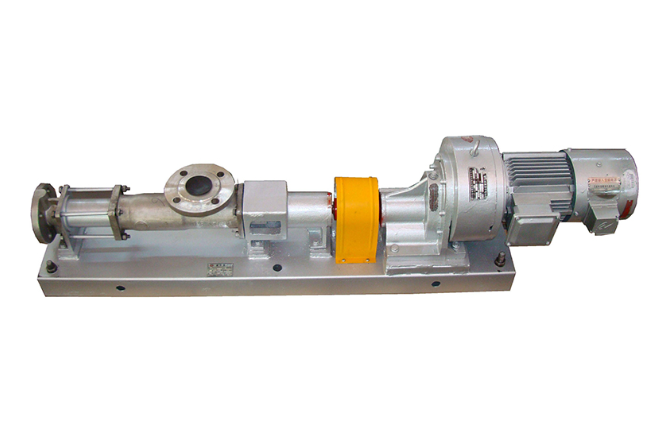
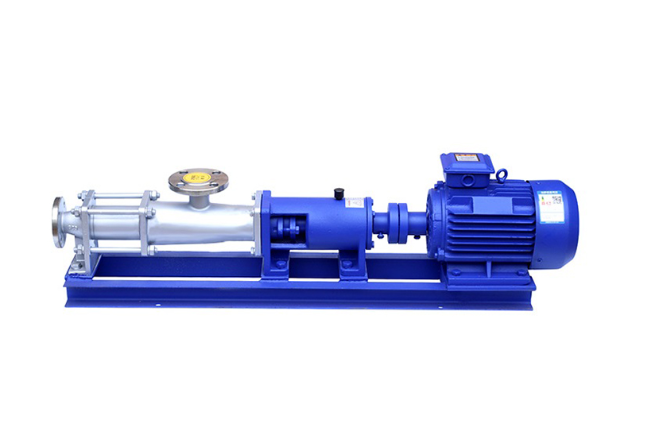
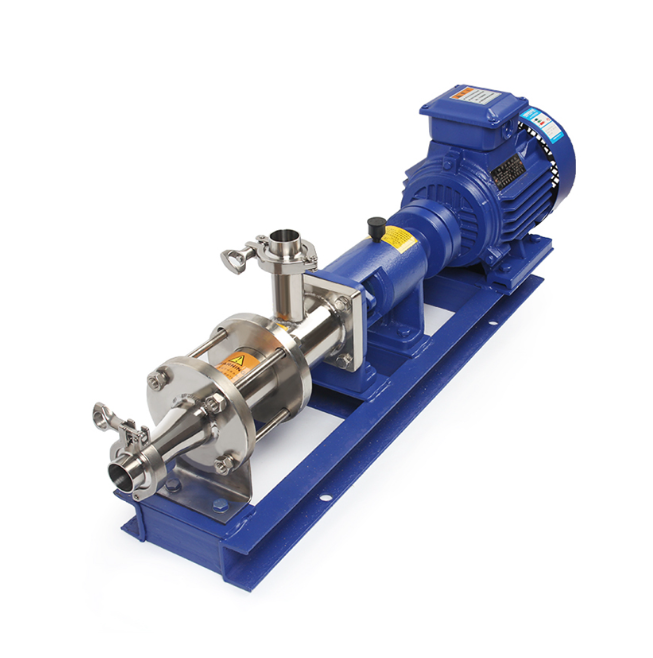
The primary difference between single screw pumps (also known as progressive cavity or PC pumps) and twin screw pumps lies in their internal geometry and driving mechanism, which dictate their fundamental behavior. A single screw pump consists of a single, externally threaded metal rotor that rotates within a double-threaded, resilient stator (typically made of elastomer). This creates a series of sealed, progressive cavities that move axially from the suction to the discharge end, providing a pulse-free, non-shearing flow. The rotor's eccentric motion requires robust universal joints or cardan shafts for drive transmission. In contrast, a twin screw pump features two parallel, intermeshing screws (rotors) that rotate within a closely fitted housing. The screws are typically timed through external synchronized gears, meaning they do not touch each other. The pumping action is created as the intermeshing threads and the housing form sealed chambers that move the fluid axially. Twin screw pumps generally provide a smoother mechanical operation (due to balanced rotor forces) and are highly efficient for a wide viscosity range. The single screw pump's stator contact provides excellent sealing for low-viscosity and non-lubricating fluids, while the non-contacting, gear-driven twin screws excel in handling high-viscosity, lubricating fluids with minimal wear.
Comparative Performance: Strengths, Limitations, and Key Selection Factors
Choosing between the two technologies requires a careful analysis of their performance profiles against application requirements. Single screw pumps (PC pumps) excel in handling abrasive, solid-laden slurries (like wastewater sludge, drilling mud) and shear-sensitive products (food, polymers, latex) due to their gentle pumping action. Their ability to form a tight seal with the elastomer stator makes them excellent self-priming pumps capable of handling gases and liquids. However, the stator is a wear item; abrasive fluids will degrade it over time, and it has temperature and chemical compatibility limits. They are also generally limited in pressure and speed compared to twin screw pumps. Twin screw pumps are renowned for their high efficiency, high pressure capability, and high-speed operation. They are ideal for clean, high-viscosity fluids like crude oil, fuel oil, polymers, and lubricants. The absence of metal-to-elastomer contact in the pumping area allows for higher operating temperatures and better compatibility with certain chemicals. Their balanced design reduces vibration and allows for higher flow rates. The key limitation is that they are less tolerant of abrasive solids or non-lubricating fluids, which can cause rapid wear to the close-clearance rotors and housing. For dry running, single screw pumps with a resilient stator are more tolerant for short periods, while twin screw pumps require fluid for lubrication and cooling of the timing gears.
Application Mapping and the Gaotian Advantage: Matching the Pump to the Process
The distinct profiles of each pump type make them ideal for specific industry sectors. Single Screw Pump Applications: Wastewater/Sludge Treatment (primary, secondary, and thickened sludge), Food & Beverage (pumping yogurt, dough, fruit concentrates with particulates), Chemical Processing (abrasive pigments, coatings, adhesives), and Pulp & Paper (stock transfer). Twin Screw Pump Applications: Oil & Gas (crude oil transfer, fuel oil boosting, lube oil circulation), Marine (cargo handling, fuel transfer), Chemical (polymer melt transfer, solvent circulation), and Power Generation (heavy fuel oil forwarding). Gaotian Pump, as a specialist in both technologies, provides optimized solutions. Their single screw pumps feature robust, wear-resistant rotor/stator combinations and heavy-duty drive trains for tough slurries. Their twin screw pumps boast precision-machined, balanced rotors and efficient timing gears for smooth, high-performance transfer of viscous process fluids. This dual expertise allows Gaotian to offer unbiased consultation, ensuring customers select not just a screw pump, but the correct type of screw pump that will deliver maximum efficiency, reliability, and longevity for their specific fluid and process conditions, from the gentlest food product to the most abrasive industrial slurry.
In summary, the choice between a single screw pump and a twin screw pump is a fundamental decision based on fluid characteristics and process demands. Single screw pumps are the masters of challenging, abrasive, and shear-sensitive media, while twin screw pumps are the efficiency champions for clean, high-viscosity, and high-pressure services. Understanding their core design differences—particularly the role of the stator versus synchronized gears—is key. By partnering with an experienced manufacturer like Gaotian that masters both technologies, engineers can make a precise, application-driven selection that ensures optimal pumping performance, minimal maintenance, and long-term operational success.