Solar Water Pumps Installation and Maintenance Guide
Solar Water Pumps Installation and Maintenance Guide
Pre-Installation Planning: Site Assessment and System Sizing
Successful installation of a solar water pump begins with meticulous pre-installation planning, which is crucial for optimizing performance and ensuring long-term reliability. The first step involves a comprehensive site assessment to evaluate solar irradiance levels, taking into account local weather patterns, seasonal variations, and potential shading from trees or structures. The water source must be carefully characterized, including its type (well, river, pond), depth (static and dynamic water level), quality (sediment content, salinity), and the required total dynamic head (TDH), which accounts for vertical lift and pipe friction losses. Accurately calculating the daily water demand (in cubic meters per day) is essential for proper system sizing. This involves selecting a solar pump with adequate flow rate and pressure, paired with a correctly sized solar photovoltaic (PV) array (in kilowatts peak, kWp) that can generate sufficient power even under suboptimal light conditions. Undersizing the system leads to water shortages, while oversizing unnecessarily increases costs. Consulting performance curves and potentially using a solar pump sizing calculator are recommended steps to match the pump's operational point precisely with the solar array's output, ensuring efficient energy utilization.
Professional Installation: Mounting, Wiring, and Controller Setup
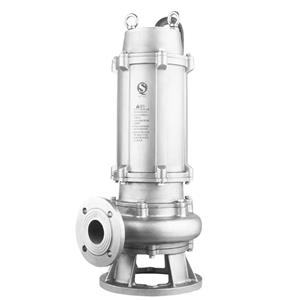
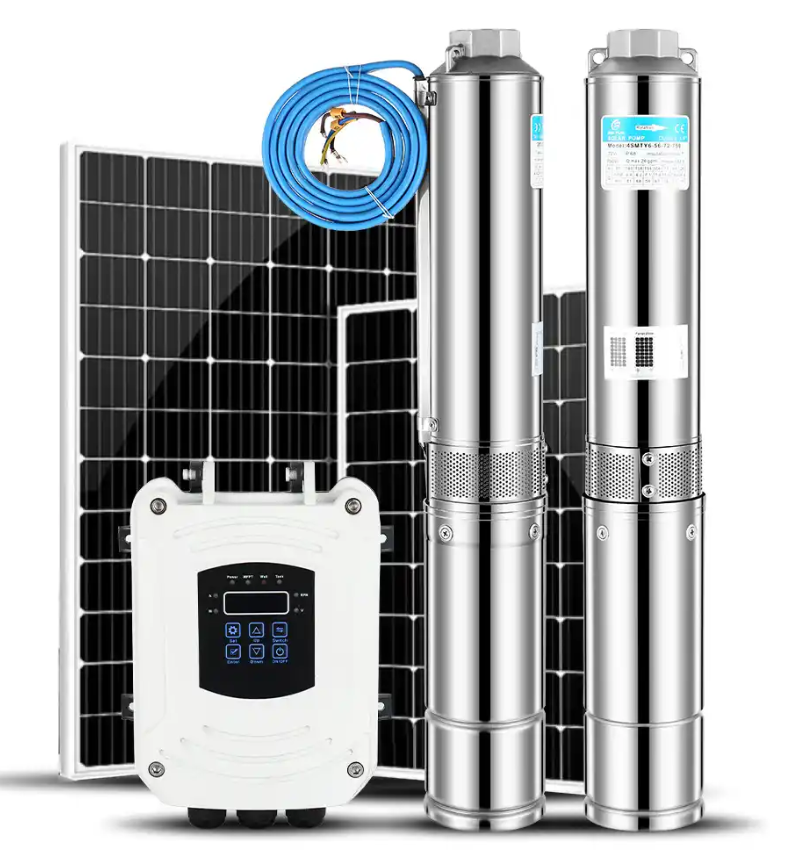
Proper installation by a qualified technician is paramount for the safety and efficiency of the solar pumping system. The installation process begins with the secure mounting of the solar panels. They should be positioned at an optimal tilt angle (often equal to the local latitude for year-round performance) and oriented true south in the Northern Hemisphere (true north in the Southern Hemisphere) to maximize sunlight exposure. The structure must be robust to withstand wind and weather. For the submersible pump installation, it is critical to use high-quality, UV-resistant, and food-grade (if for potable water) drop cables and pipes. The pump should be suspended securely in the water source, ensuring it is never run dry. Electrical wiring must be done according to code, using correct gauges to minimize voltage drop between the panels and the pump. The heart of the system is the solar pump controller or variable frequency drive (VFD), which should be installed in a weatherproof enclosure. This controller maximizes power point tracking (MPPT) to extract the highest possible energy from the solar panels and protects the pump from issues like voltage fluctuations, dry running, and overload. All connections must be tight, waterproof, and properly grounded to prevent failures and ensure operational safety.
Routine Maintenance and Troubleshooting for Longevity
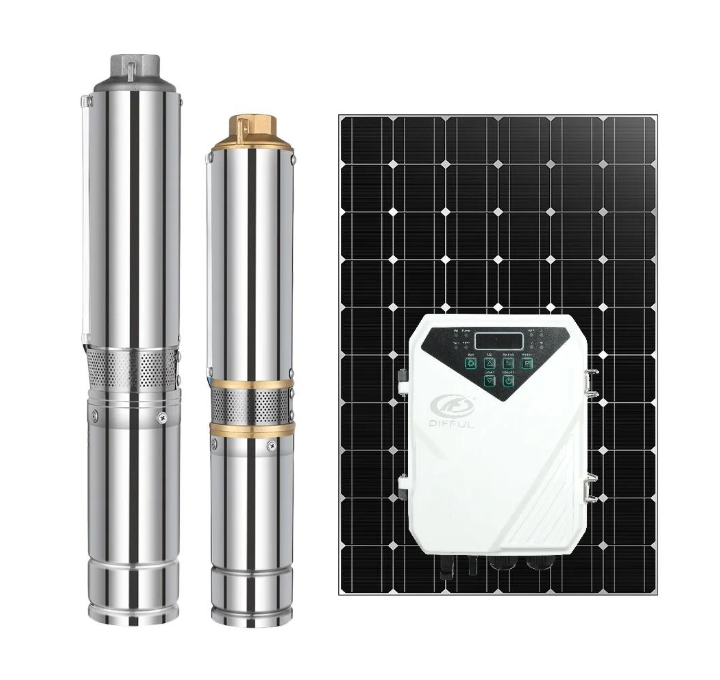
While solar water pumps are known for requiring less maintenance than diesel pumps, a proactive routine maintenance schedule is essential to ensure a long service life and consistent performance. Maintenance tasks should include regular cleaning of solar panels to remove dust, dirt, bird droppings, and snow, as even a thin layer can significantly reduce power output. Visually inspect panels for cracks or damage. For the pump unit itself, periodic checks involve monitoring flow rate and pressure; a sudden drop could indicate a clogged intake screen or impeller wear. In submersible pumps, checking the insulation resistance of the drop cable can preemptively detect moisture ingress. The controller's indicators and error codes should be reviewed regularly. Common issues include reduced flow, often caused by panel soiling, a misaligned panel angle, or a failing pump. No operation could point to a tripped breaker, faulty wiring, or a controller malfunction. Keeping a log of system performance helps in identifying gradual degradation. It is highly advisable to have an annual professional inspection to check all electrical connections, mechanical components, and system settings, ensuring everything operates within design parameters and addressing minor issues before they lead to major repairs or system failure.
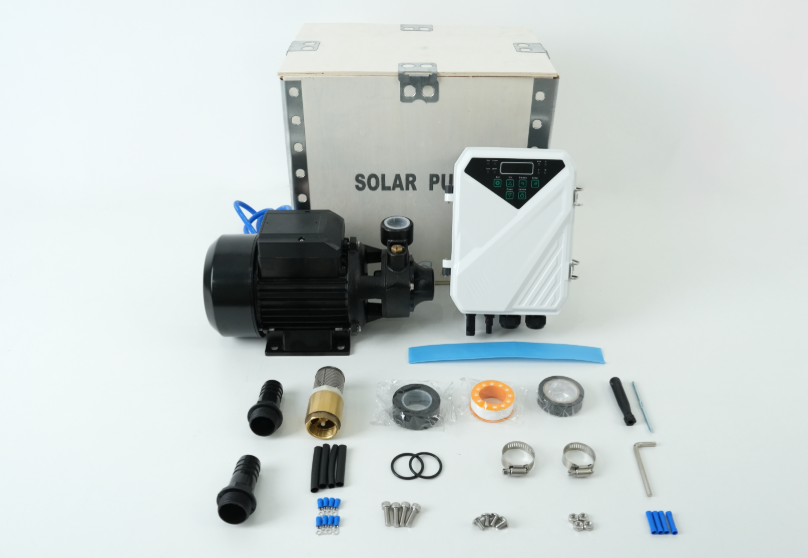
In summary, the reliable and efficient operation of a solar water pump system hinges on a triad of critical practices: thorough pre-installation planning and sizing, professional installation adhering to electrical and mechanical standards, and a consistent regimen of proactive maintenance. By investing attention and effort into each of these phases, users can maximize the return on their investment, enjoying a sustainable, low-operating-cost water supply solution for many years. Properly executed, a solar pumping system is a robust and intelligent answer to water pumping needs in remote and off-grid locations.