The Key Role of Gaotian High-Lift Pumps in Flood Fighting and Rescue
The Key Role of Gaotian High-Lift Pumps in Flood Fighting and Rescue
Rapid Deployment and High-Volume Water Transfer: The First Line of Defense
When floodwaters strike, time is the most critical resource. The immediate priority is to move vast quantities of water away from at-risk areas as quickly as possible. Gaotian high-lift pumps are engineered to be the first line of defense in this battle. Designed for rapid deployment, these pumps are often configured as portable, trailer-mounted, or skid-mounted units that can be transported and installed by truck, tractor, or even helicopter to remote or inaccessible disaster zones. They are built for quick priming and start-up, often featuring a dry-run capable design to handle intermittent flows. Their primary performance metric is high-volume discharge. Utilizing powerful diesel engines or electric motors coupled with hydraulically optimized high-capacity impellers, a single Gaotian pump can move thousands of cubic meters of water per hour. This massive water-moving capability is essential for emergency dewatering of critical infrastructure like substations, hospitals, transportation tunnels, and for creating initial water diversions to protect levees and property, directly mitigating the immediate impact of rising floodwaters and buying precious time for further rescue and reinforcement efforts.
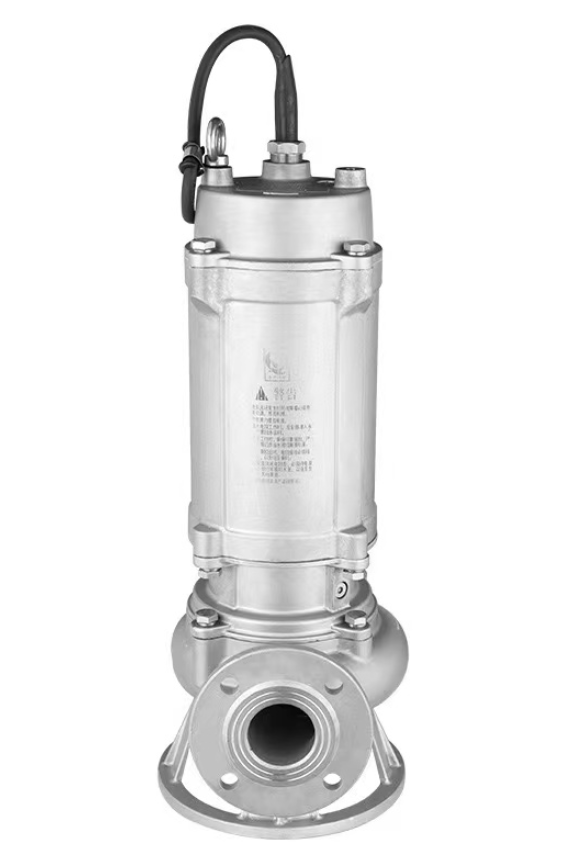
Overcoming Elevation and Distance: Engineered for High-Head Performance
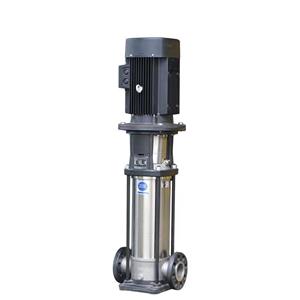
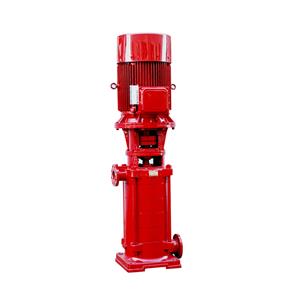
In flood scenarios, water often needs to be moved not just away, but up and overobstacles—such as levees, embankments, or natural terrain—to be discharged into a safe catchment area, river, or drainage canal. This is where the defining feature of a high-liftpump becomes indispensable. Unlike standard drainage pumps focused on volume, Gaotian's pumps are engineered to generate exceptional pressure (head). Through efficient multistage centrifugal designs or specialized high-head impeller configurations, these pumps overcome significant elevation gains. They are capable of pushing water vertically over 100 meters or horizontally over several kilometers, allowing responders to establish discharge points far from the flood zone. This high-head performance is critical for long-distance water transfer in sprawling floodplains, for lifting water from deep flood basins, and for supplying water to firefighting systems in high-rise buildings within inundated areas. The ability to maintain a stable flow rate against high backpressure ensures that dewatering operations remain effective even as the required lift increases, a common challenge as floodwaters recede and the distance to a viable outlet grows.
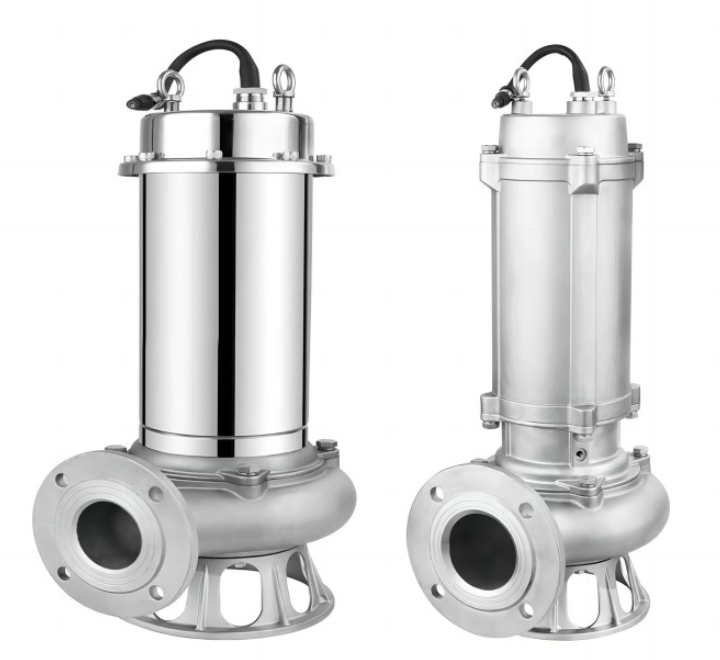
Rugged Reliability and Operational Flexibility in Harsh Conditions
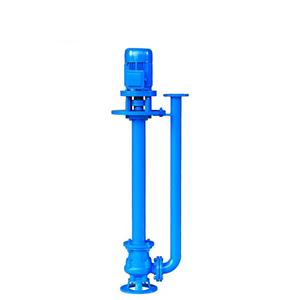
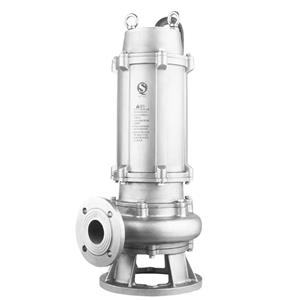
Floodwater is a hostile medium, laden with abrasive sand, silt, debris, and often contaminated with oils and chemicals. Pump failure during a crisis can be catastrophic. Gaotian high-lift pumps are built to survive and perform in these harsh, debris-laden conditions. They feature heavy-duty, abrasion-resistant materials in critical wear parts, such as hardened metal or high-chrome iron impellers and volutes. Large passage, non-clog impeller designs or integrated strainers prevent clogging from common flood debris like mud, vegetation, and plastic waste. Furthermore, operational flexibility is key. Many units are designed for continuous, 24/7 unmanned operation with automatic level control, allowing them to run until the task is complete. They can handle a wide range of water sources, from relatively clean to heavily polluted. This combination of mechanical toughness, resistance to clogging, and autonomous operation ensures that Gaotian pumps provide a reliable, set-and-forget solution for emergency services and disaster management teams, allowing personnel to focus on other critical rescue and logistical tasks with the confidence that the dewatering mission is in capable hands.
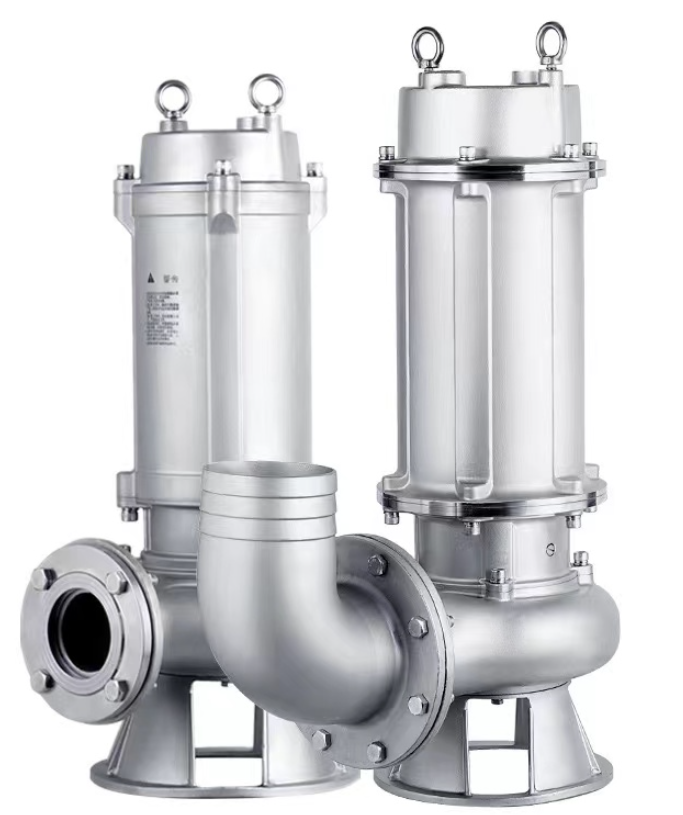
In summary, Gaotian high-lift pumps are a critical force multiplier in flood fighting and rescue operations, uniquely combining the rapid-response capability and high-volume discharge needed for immediate impact reduction, the engineered high-head performance to overcome topographic and distance challenges, and the rugged, clog-resistant reliability to operate autonomously in punishing floodwater conditions. They transform the ability of responders to control water, directly protecting property, restoring access, and safeguarding communities during some of nature's most destructive events.