What Buyers Need To Know Before Choosing A Pump For High Concentration Sulfuric Acid
Sulfuric Acid Service Requires Much More Than General Chemical Pump Knowledge
High concentration sulfuric acid is one of the most demanding liquids in industrial pumping applications. Its corrosive behavior changes depending on concentration, temperature, and operating conditions, which means buyers cannot rely on general chemical pump assumptions. Selecting the wrong material or seal arrangement can result in rapid damage, leakage, safety hazards, and costly shutdowns.
Concentration And Temperature Must Be Confirmed Together
One of the most common mistakes is to focus only on acid concentration without fully considering temperature. In sulfuric acid service, the material suitability often depends on the combined effect of concentration and operating temperature. Buyers should provide exact process data instead of broad descriptions, because a small difference in temperature can significantly affect corrosion behavior and pump life.
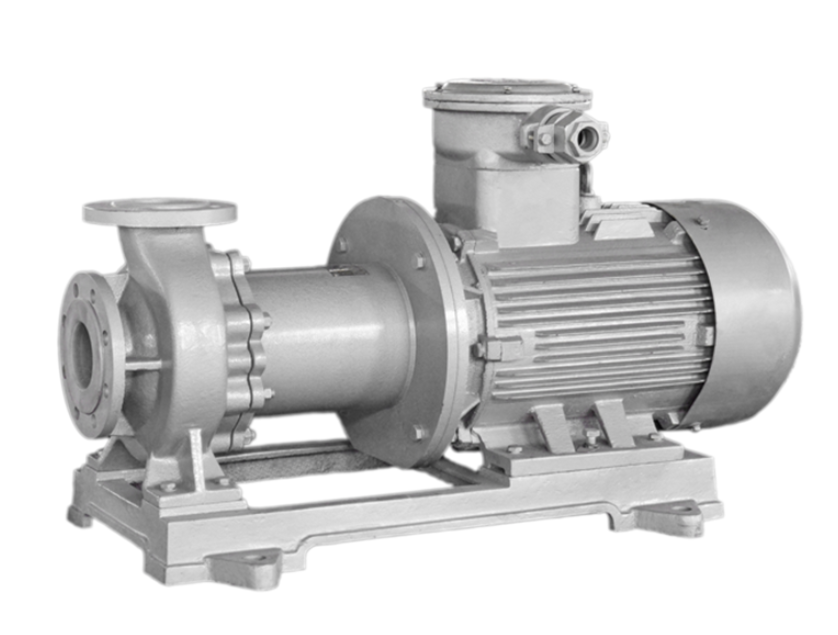
Material Selection Is The Core Of Risk Reduction
When handling high concentration sulfuric acid, the most important question is usually material compatibility. Buyers should confirm not only the main casing material, but also the material of impeller, shaft, fasteners, seal chamber, and all wetted components. In acid service, the weakest small part can become the first failure point, so full material review matters more than a general product description.
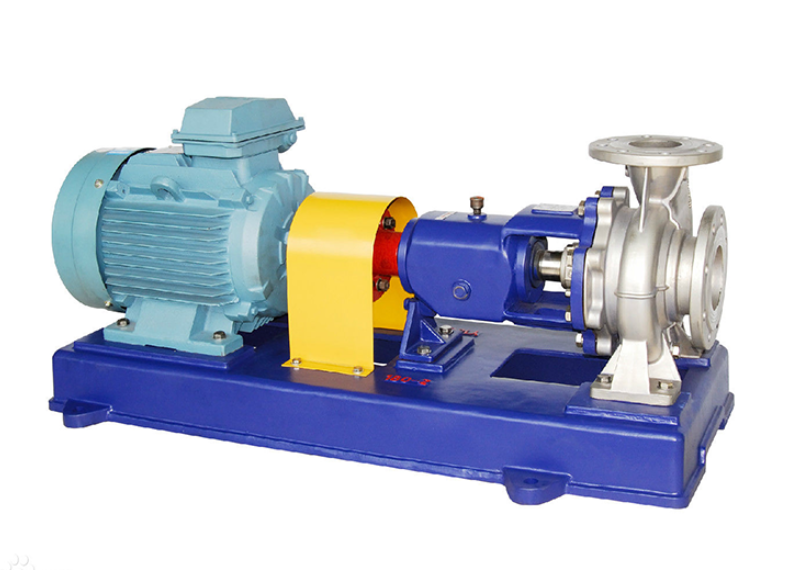
Safety, Sealing, And Proven Experience Matter As Much As Material
Material alone is not enough. Buyers should also review seal design, leakage control measures, and whether the supplier has actual experience in sulfuric acid applications. A pump for high concentration sulfuric acid should be selected as a complete risk-control solution, not as a generic chemical pump. Proven field experience often provides more confidence than theoretical compatibility alone.
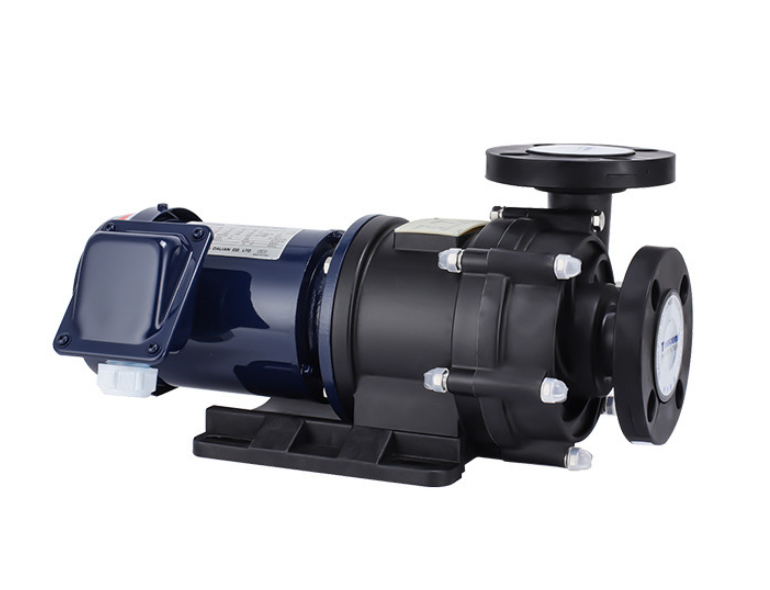
Before choosing a pump for high concentration sulfuric acid, buyers must confirm concentration and temperature together, review all material details, and evaluate sealing safety and supplier experience. The right choice reduces corrosion risk, improves safety, and protects long-term process reliability.