What Is The Real Lead Time For Custom Industrial Pumps
What Actually Determines The Lead Time Of A Custom Pump
Key Factors Behind Production And Delivery Timeline
The lead time of a custom industrial pump is influenced by multiple factors, not just factory production capacity. Key elements include pump type, material selection, motor configuration, seal system, and project-specific requirements. For example, a standard centrifugal pump with common materials may have a shorter lead time, while a custom API pump with special alloys and strict testing requirements will take significantly longer.
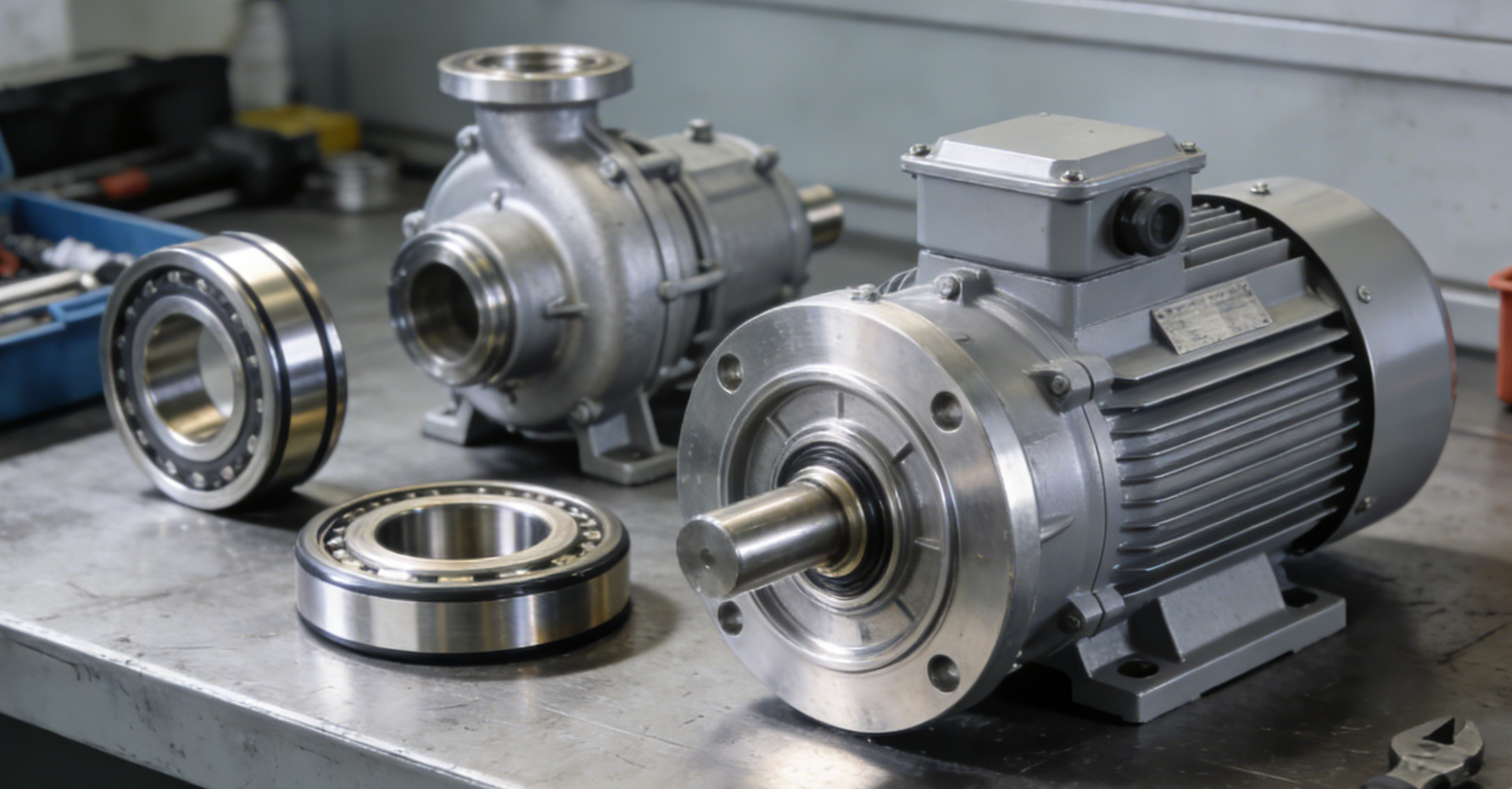
Another important factor is the sourcing of key components. Motors, mechanical seals, and bearings are often sourced from specialized suppliers. If these components require international procurement or customization, they can significantly extend the total lead time. Buyers should always confirm whether critical components are in stock or need to be ordered.
Engineering approval is also part of the timeline. Before production begins, drawings and specifications often need to be reviewed and approved by the buyer or EPC contractor. Any delay in drawing confirmation can directly push back the manufacturing schedule.
Standard Pumps Vs Custom Pumps: Why Lead Time Differs
Understanding The Gap Between Catalog Products And Project Orders
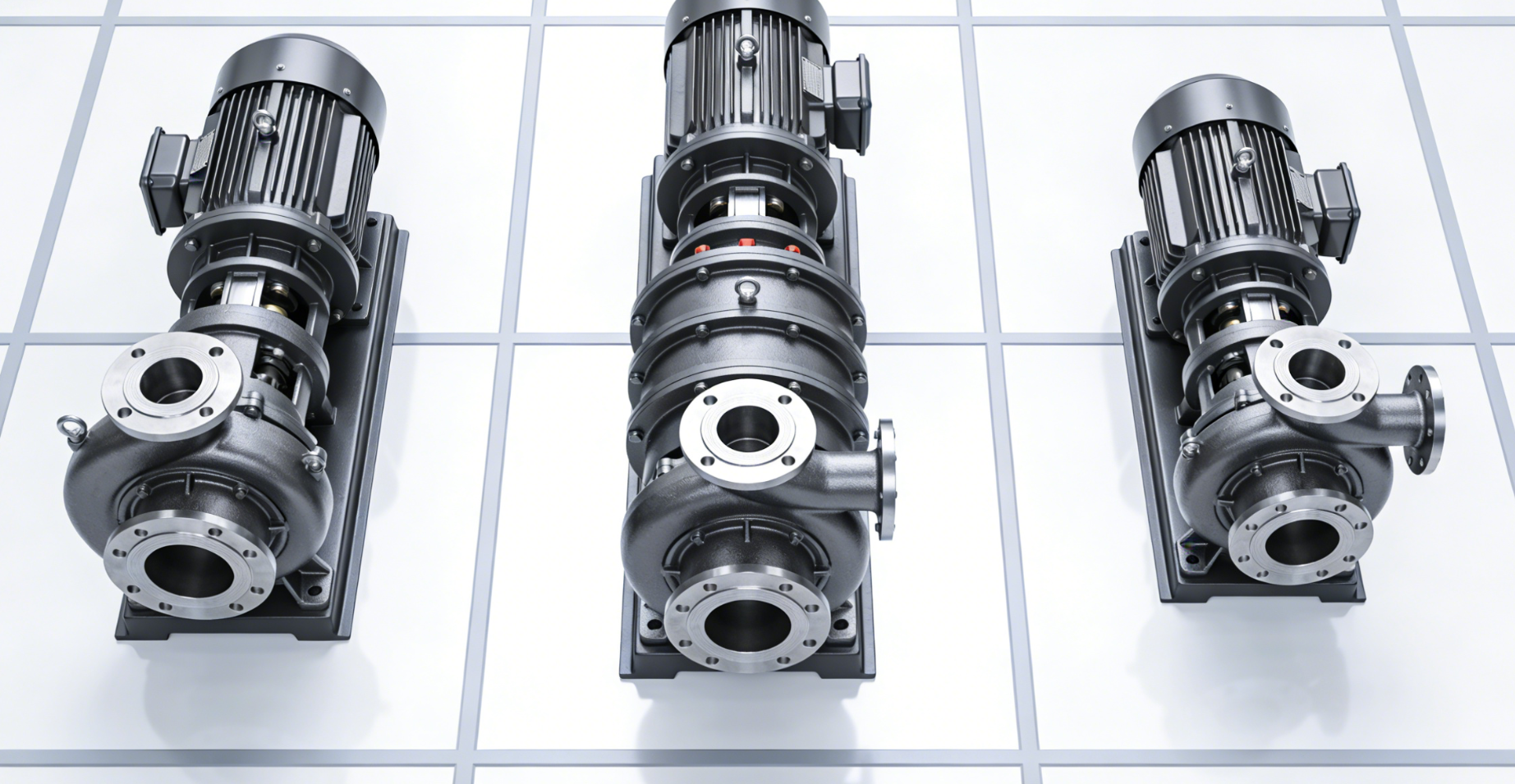
Standard pumps and custom pumps follow completely different production logic. Standard pumps are often pre-designed, with fixed configurations and available inventory. Their lead time is usually predictable and relatively short.
Custom pumps, however, are built based on project requirements. Each order may involve unique materials, dimensions, sealing systems, or performance adjustments. This means the production process includes design confirmation, material preparation, machining, assembly, and testing, all of which take time.
In addition, custom pumps usually require more rigorous testing, especially for high-risk industries such as oil & gas or chemical processing. Performance tests, pressure tests, and vibration tests must be completed before delivery, further extending the timeline.
How Buyers Can Evaluate And Reduce Lead Time Risk
Practical Ways To Avoid Delays In Pump Procurement
Buyers should not rely only on a quoted lead time. Instead, they should evaluate whether the timeline is realistic. A reliable supplier will break down the lead time into stages, including design approval, material procurement, production, and testing. This transparency helps buyers understand where potential delays may occur.
Another effective approach is early communication. Buyers who provide complete technical data and confirm drawings quickly can significantly reduce delays. Unclear specifications or repeated changes often cause unnecessary time loss.
Finally, choosing a supplier with proven project experience can reduce uncertainty. Experienced suppliers are more familiar with production planning, component sourcing, and testing requirements, which helps them deliver more stable and predictable lead times.
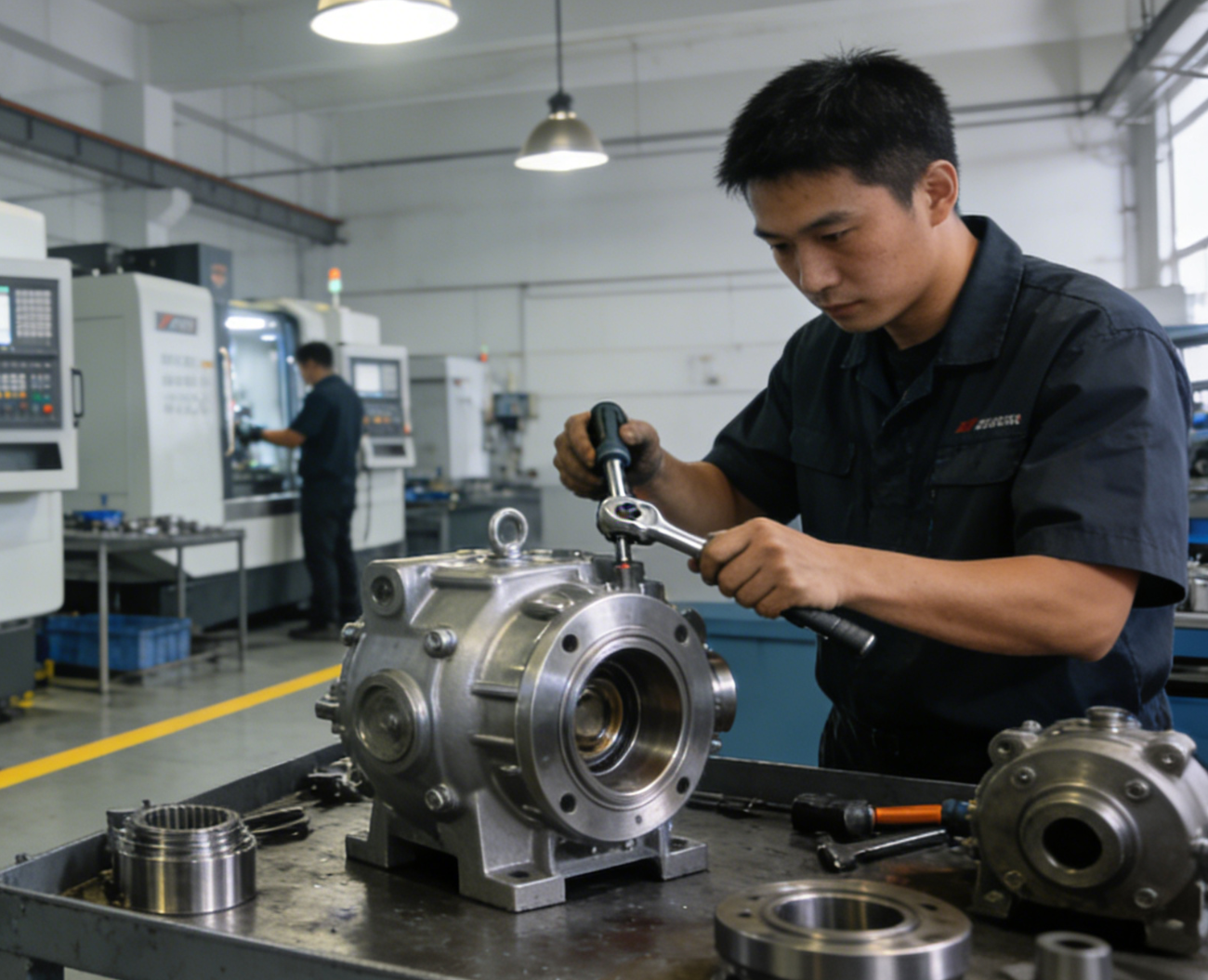
The real lead time of a custom industrial pump is not defined by a single number. It is the result of multiple coordinated steps, including engineering approval, material sourcing, manufacturing, and testing. For buyers, understanding these stages is essential to avoid unexpected delays and project risks.
A reliable supplier does not simply promise fast delivery. Instead, they provide a clear, realistic timeline supported by experience and process control. This is what ensures both delivery confidence and project success.