What Quality Control Process Should A Reliable Pump Manufacturer Have
Incoming Material Inspection Is The First Step Of Reliable Quality Control
A Good Pump Starts With Verified Raw Materials
A reliable pump manufacturer should begin quality control before machining even starts. Incoming material inspection is the foundation of product consistency. Key materials such as pump casing, impeller blanks, shafts, bearings, seals, and fasteners should be checked against purchase specifications, material grades, and project requirements before they enter production.
For international projects, material traceability is especially important. Buyers often need confidence that the actual material used in wetted parts matches the promised specification. This is particularly critical in corrosive, high-temperature, or abrasive applications where material mismatch can directly affect service life and safety.
A good manufacturer does not assume supplier quality is enough. They verify it. This may include reviewing material certificates, performing dimensional checks, confirming hardness, or conducting additional inspections when project requirements are strict. Strong control at this stage prevents expensive problems later in production and operation.
Machining And Assembly Control Must Be Consistent, Not Approximate
Dimensional Accuracy And Process Discipline Affect Long-Term Reliability
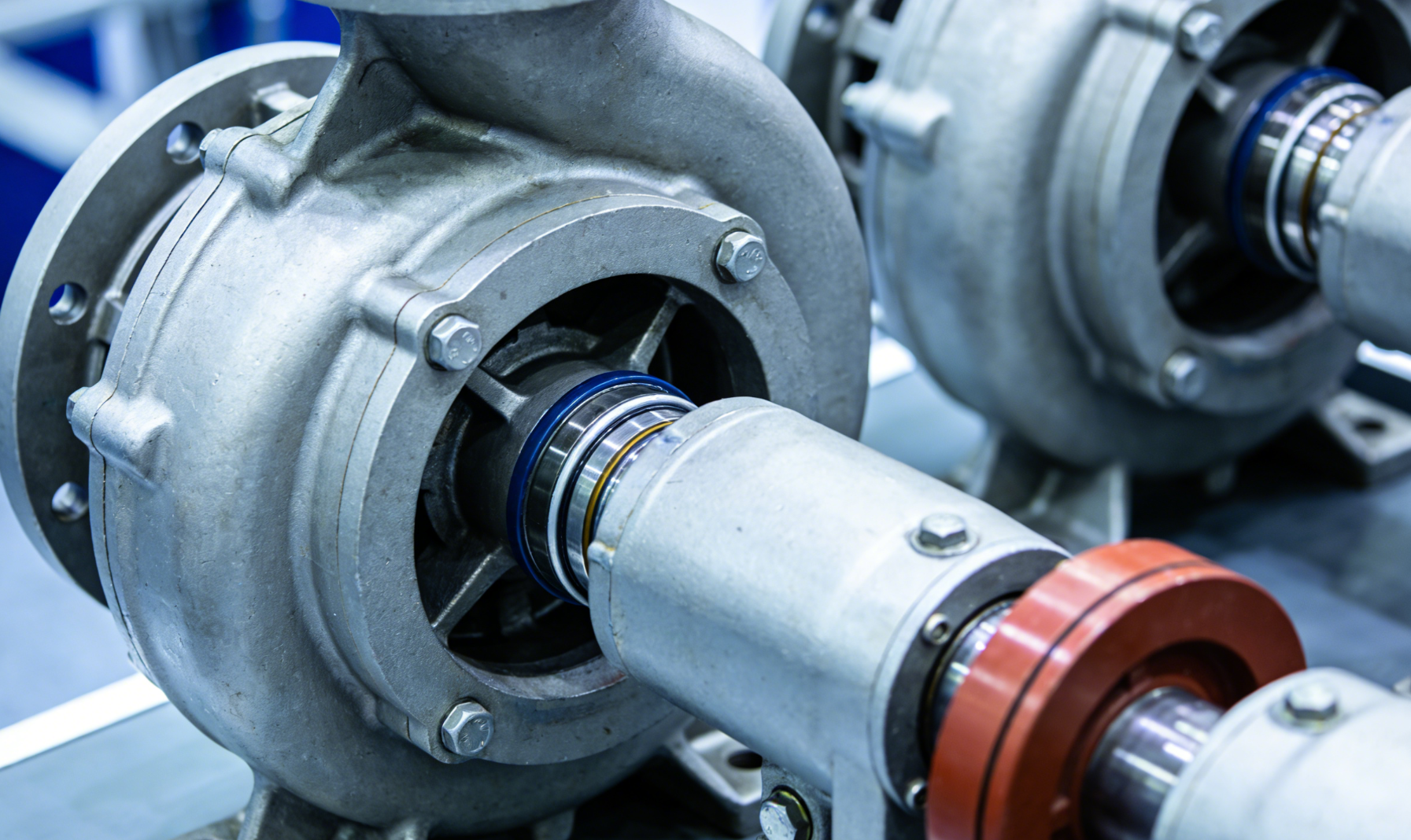
After materials are approved, the next critical stage is machining and assembly control. This is where design intent must be translated into precise physical execution. Shaft dimensions, impeller tolerances, casing fits, seal chamber accuracy, and bearing housing alignment all affect how the pump performs in real service.
A reliable manufacturer should have inspection points throughout the machining process, not just at the end. If problems are only discovered after assembly, correction becomes more expensive and less effective. Good process control means monitoring key dimensions at each stage and keeping records for consistency.
Assembly quality is equally important. Incorrect bolt torque, poor alignment, contamination inside the pump, or careless seal installation can all create long-term operating issues. Reliable manufacturers use defined assembly procedures rather than depending only on worker experience. Consistency matters more than speed.
Final Testing And Documentation Prove Whether Quality Control Really Works
A Reliable Manufacturer Must Validate Performance Before Delivery
The final stage of quality control is testing and documentation. This is where the manufacturer proves that the pump not only looks correct, but actually performs as required. Depending on the application, final checks may include hydrostatic pressure tests, performance tests, vibration measurement, rotation checks, and visual inspection.
For buyers, test reports are part of quality evidence. A trustworthy manufacturer should be able to provide clear records showing what was tested, what standards were applied, and whether the results met specification. Without documentation, quality claims are difficult to verify.
Good quality control also means traceability after delivery. If an issue appears later, the manufacturer should be able to trace material batches, inspection records, and test history. This level of documentation shows maturity, responsibility, and the ability to support long-term projects.
A reliable pump manufacturer should control quality from incoming materials to final testing, with clear inspection points, disciplined assembly procedures, and complete documentation. Good quality control is not about checking the product once at the end. It is about preventing defects at every stage and proving reliability with evidence.
For international buyers, this kind of process matters because it reduces uncertainty. A manufacturer with a real quality control system is far more valuable than one that only offers a competitive price. In industrial projects, consistency, traceability, and validation are what create trust.