What Technical Documents Should A Pump Supplier Provide Before Purchase
A reliable pump supplier should not only offer a product, but also provide a clear package of technical documents that supports selection, engineering review, installation planning, and future operation. The better the documentation, the lower the project risk.
Core Selection Documents Help Buyers Confirm Technical Fit
Datasheet, Performance Curve, And Pump Model Information
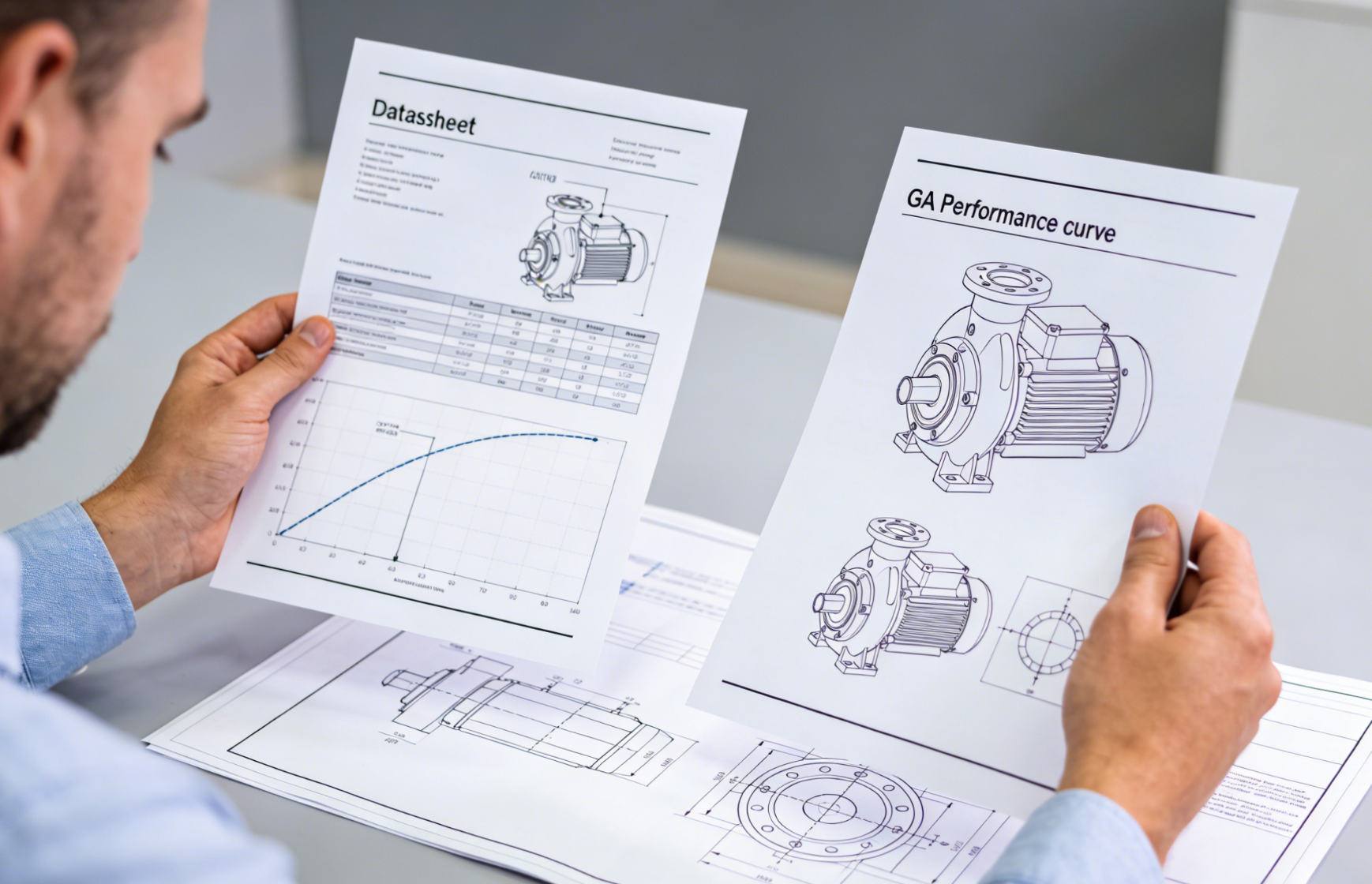
The first group of documents should help buyers decide whether the pump is technically suitable. This usually starts with the product datasheet. A proper pump datasheet should clearly show flow rate, head, power, efficiency, speed, NPSH, temperature range, material, seal type, and connection details. Buyers should be able to quickly understand whether the pump matches the required working conditions without needing multiple rounds of clarification.
The performance curve is equally important. It shows how the pump performs across different operating points, not just at one rated point. This helps buyers and engineers evaluate whether the selected model can work efficiently under actual site conditions, especially when the system may experience flow variation or pressure changes. A quotation without a performance curve is often not enough for serious project review.
In addition, the supplier should identify the exact pump model and configuration. Buyers need to know not only the general product category, but also the specific version being quoted, including impeller size, motor specification, baseplate arrangement, and any special configuration. This level of detail prevents confusion later in the order process.
Engineering And Installation Documents Support Project Approval
GA Drawing, Section Drawing, And Foundation Information
Once the pump is considered technically suitable, the second group of documents becomes critical for engineering review and installation planning. One of the most important files is the General Arrangement Drawing, often called the GA drawing. This drawing should show overall dimensions, nozzle orientation, centerline height, baseplate dimensions, motor arrangement, and major installation interfaces.
For many buyers, especially those involved in EPC or industrial retrofit projects, the GA drawing is essential because the pump must physically fit the available space and align with the piping system. Even a technically correct pump can create major site problems if its layout does not match the project arrangement.
A section drawing is also valuable because it gives engineers a clearer understanding of internal construction, including shaft arrangement, seal chamber, bearing housing, and casing design. This is especially important when buyers need to evaluate maintainability, seal compatibility, or spare parts planning.
If the project involves site installation, the supplier should also provide foundation or mounting information, nozzle load limitations, and any special installation requirements. These documents reduce site uncertainty and help avoid costly installation errors.
Quality, Compliance, And Maintenance Documents Build Long-Term Confidence
Material Certificates, Test Reports, Manuals, And Spare Parts Lists
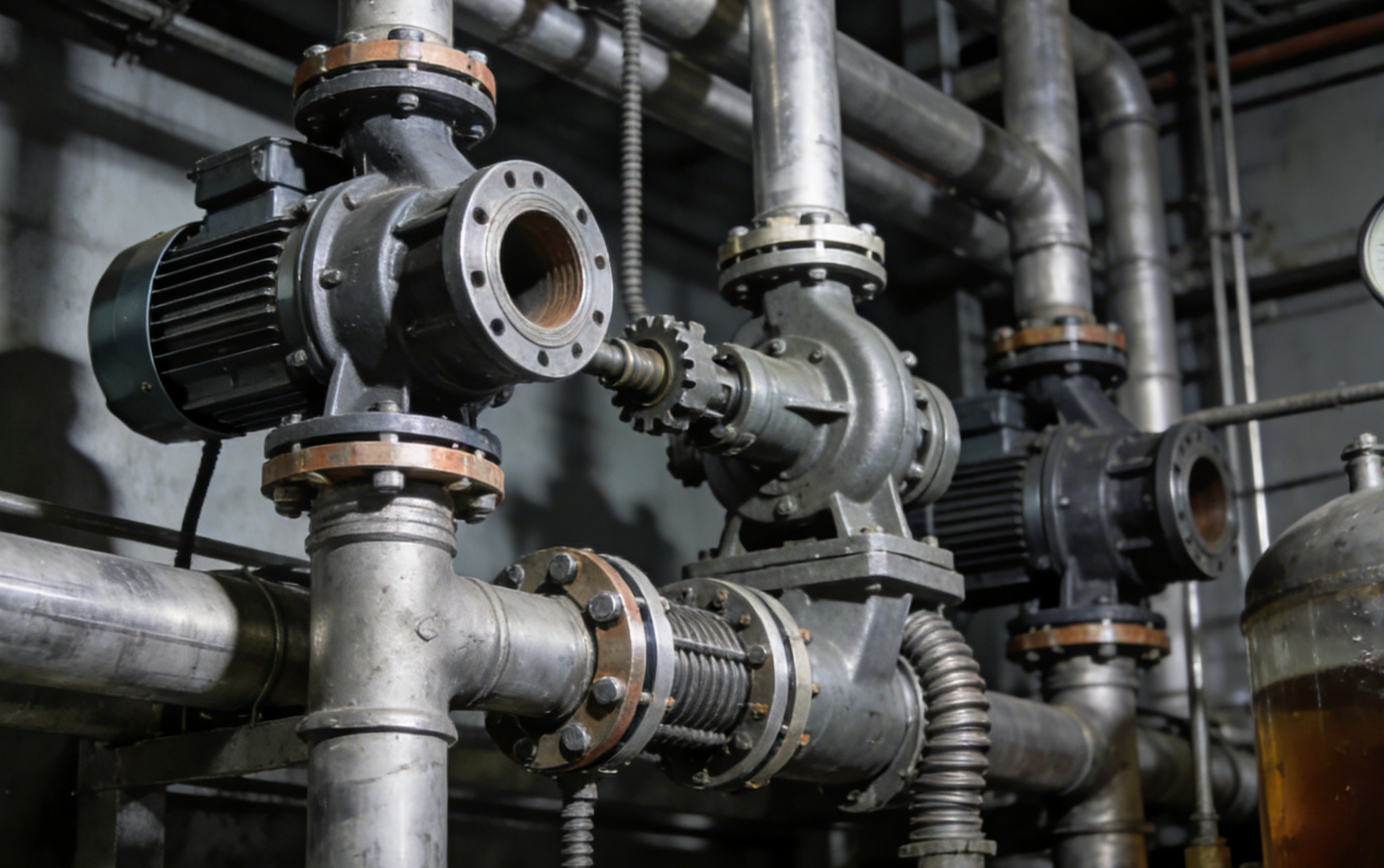
Before purchase, buyers also need documents that prove product quality and support long-term use. Material certificates are important because they confirm what materials are actually used in wetted parts, casing, shaft, impeller, and other critical components. This is particularly important in corrosive, abrasive, or high-temperature applications where material mismatch can cause serious failure.
Test reports are another major confidence factor. Depending on the project, this may include hydrostatic test reports, performance test reports, vibration data, or mechanical running test records. These documents help buyers verify that the pump has not only been designed correctly on paper, but also validated in practice.
An installation and operation manual should also be available before purchase or at least before shipment. Serious buyers want to know how the pump will be installed, commissioned, and maintained. A supplier who can provide a clear manual usually demonstrates better process maturity than one who only sends a quotation sheet.
Finally, a spare parts list is often underestimated but highly practical. Buyers want to understand which wear parts should be stocked, how components are identified, and what replacement cycle is expected. This information directly affects future maintenance planning and total ownership cost.
In industrial pump procurement, technical documents are not secondary paperwork. They are part of the product value itself. Complete documentation helps buyers make faster decisions, supports engineering approval, reduces installation problems, and improves long-term maintenance planning. For international projects, a pump supplier that provides clear, accurate, and complete documents is always more credible than one that only competes on price.
Before purchase, buyers are not simply asking for papers. They are asking for proof that the supplier understands the project, the application, and the responsibilities that come with delivery.