Why API Standards Matter In Industrial Pump Procurement
Standards Are Not Optional In Critical Projects
In industrial pump procurement—especially in oil & gas, petrochemical, and energy sectors—standards are not just technical references. They are often mandatory requirements that determine whether a supplier can even enter a project. For international buyers, API standards are widely recognized as a benchmark for safety, reliability, and performance.
Choosing a pump that complies with API standards is not about formality—it is about reducing engineering risk, ensuring long-term stability, and meeting strict project approval processes.
API Standards Define Reliability In Critical Operating Conditions
API standards, such as API 610 for centrifugal pumps, are specifically developed for demanding industries like oil & gas. These standards define strict requirements for pump design, materials, construction, and performance under high temperature, high pressure, and hazardous conditions.
For buyers, this means that API-compliant pumps are engineered to handle extreme environments with higher reliability. They are less likely to fail under continuous operation, reducing the risk of shutdowns and costly interruptions.
Without API compliance, even a technically acceptable pump may be considered too risky for critical applications, especially in large-scale international projects.
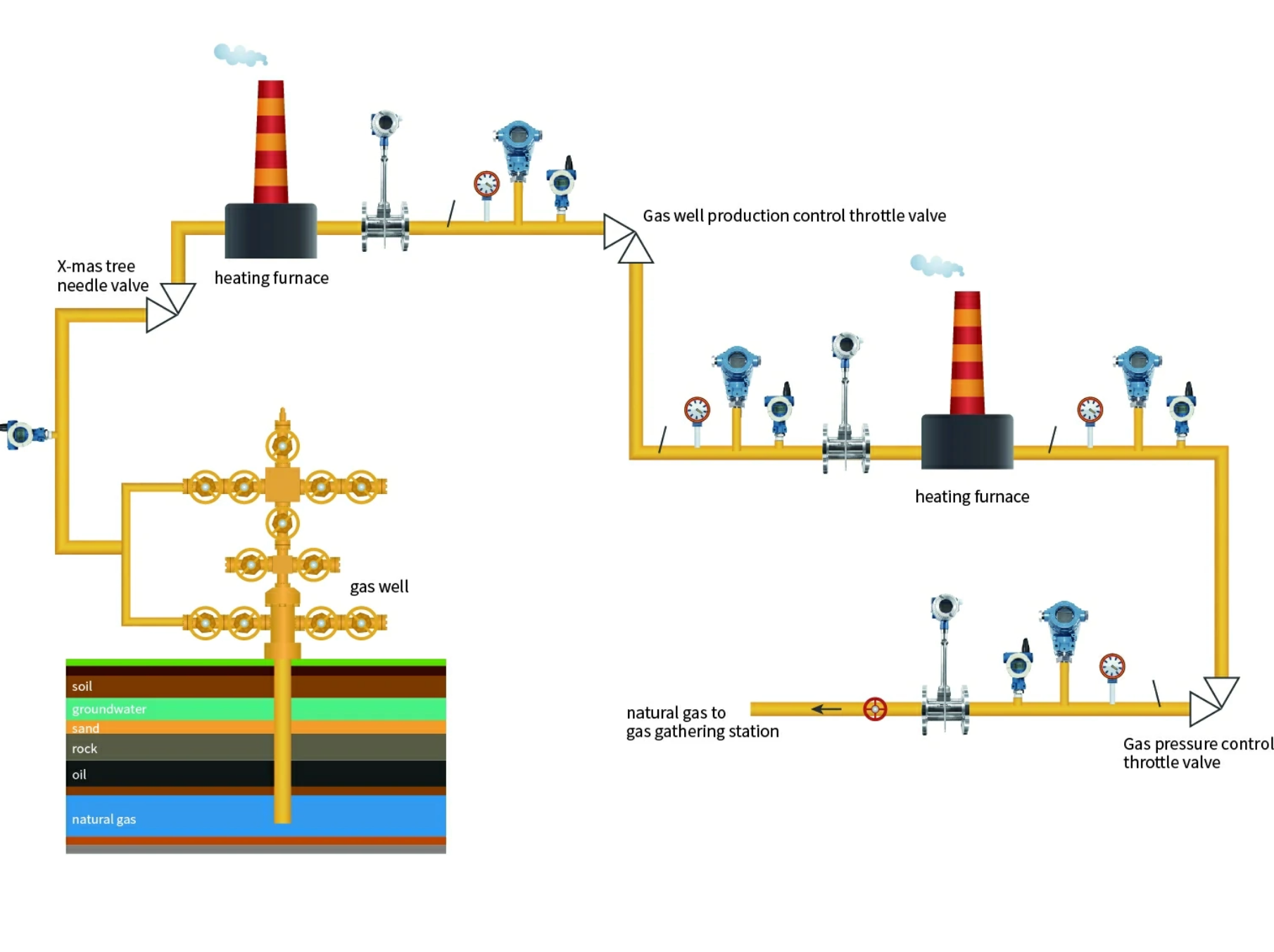
API Compliance Simplifies Project Approval And Engineering Integration
In many international projects, especially EPC (Engineering, Procurement, Construction) projects, equipment must pass strict technical reviews before procurement. API standards provide a common technical language that simplifies communication between buyers, engineers, and suppliers.
When a pump meets API standards, it becomes easier for engineering teams to evaluate its performance, compatibility, and safety. This significantly reduces the time required for approval and minimizes back-and-forth revisions.
For buyers, this means faster project progress and lower administrative risk, especially when dealing with multiple stakeholders across different regions.
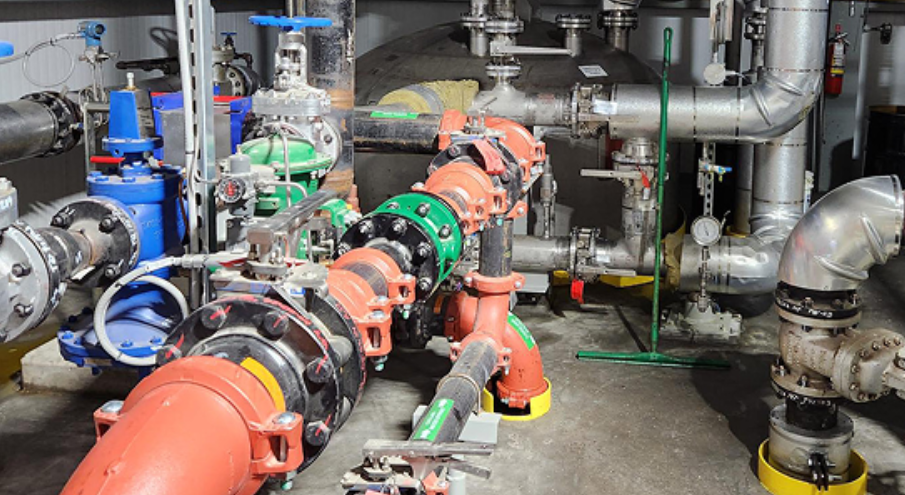
API Standards Reduce Long-Term Operational And Maintenance Risks
The impact of API standards goes beyond initial procurement. One of the most important advantages is reduced long-term operational risk. API-compliant pumps are designed with durability, maintainability, and serviceability in mind.
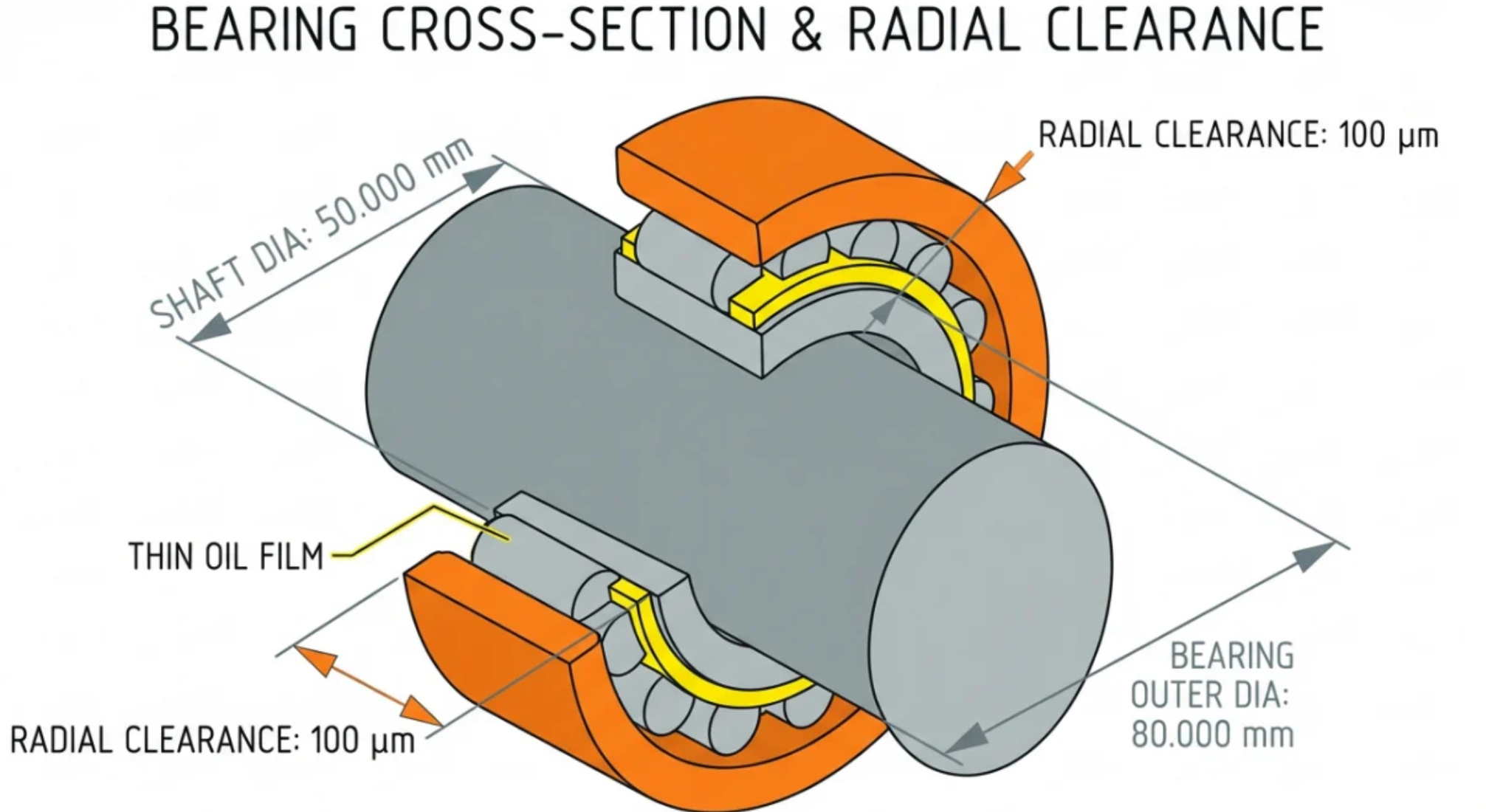
This includes better bearing systems, more reliable sealing designs, and stricter material requirements. As a result, these pumps typically offer longer service life and lower maintenance frequency.
For buyers, this directly translates into lower total cost of ownership, reduced downtime, and improved overall system efficiency.
API standards are not just technical requirements—they are a practical tool for risk control in industrial pump procurement. For international buyers, choosing API-compliant pumps means greater confidence in performance, smoother project execution, and more predictable long-term operation.
In complex industrial environments, standards are not an option—they are a necessity.