Why Spare Parts Availability Matters In Industrial Pump Procurement
When buyers evaluate an industrial pump, they often focus on the main equipment itself. However, the ability to maintain that pump over time depends heavily on spare parts availability. If essential parts cannot be identified, ordered, or delivered quickly, even a small wear issue can lead to costly downtime. For serious industrial users, spare parts availability is not a secondary issue—it is part of procurement logic from the beginning.
Spare Parts Availability Directly Affects Downtime Risk
In many plants, the cost of downtime is far greater than the cost of spare parts themselves. If a seal fails, a bearing wears out, or an impeller needs replacement, the real problem is not just the part price. It is the lost production time while waiting for the correct component. Buyers should therefore evaluate whether wear parts and critical parts can be supplied quickly and accurately.
A supplier who cannot clearly identify part numbers, replacement intervals, or stocking recommendations increases long-term uncertainty. In contrast, a supplier with organized spare parts documentation makes future service far more manageable.
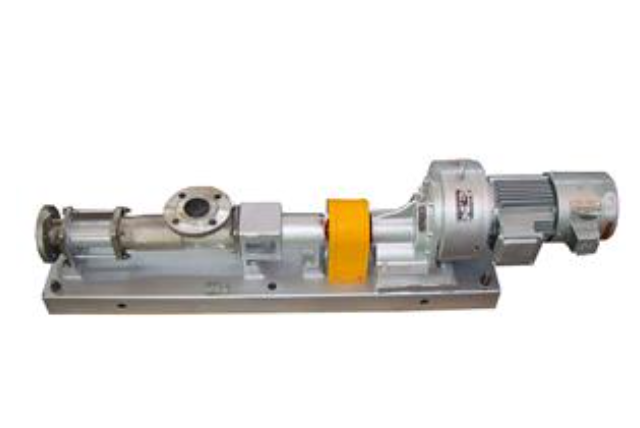
Spare Parts Planning Improves Maintenance Efficiency
Spare parts availability is not only about emergency supply. It is also about planning. Buyers should know which parts are consumable, which are critical, and which should be stocked locally. A good spare parts strategy reduces maintenance pressure and helps avoid rushed decisions during an unexpected problem.
This is especially important for overseas projects or remote installations where shipping time can be long. For those applications, spare parts planning should be discussed during procurement, not after commissioning. A well-supported pump is one that can be maintained without long interruption.
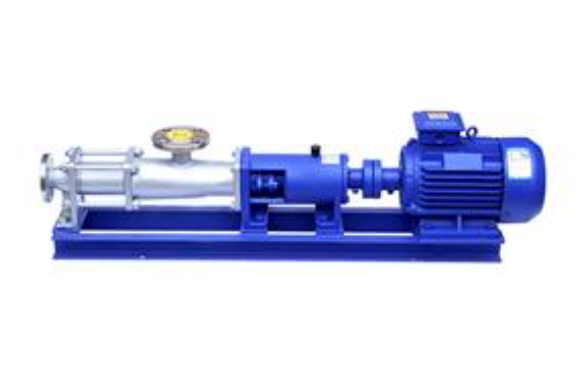
Spare Parts Planning Improves Maintenance Efficiency
Spare parts availability is not only about emergency supply. It is also about planning. Buyers should know which parts are consumable, which are critical, and which should be stocked locally. A good spare parts strategy reduces maintenance pressure and helps avoid rushed decisions during an unexpected problem.
This is especially important for overseas projects or remote installations where shipping time can be long. For those applications, spare parts planning should be discussed during procurement, not after commissioning. A well-supported pump is one that can be maintained without long interruption.
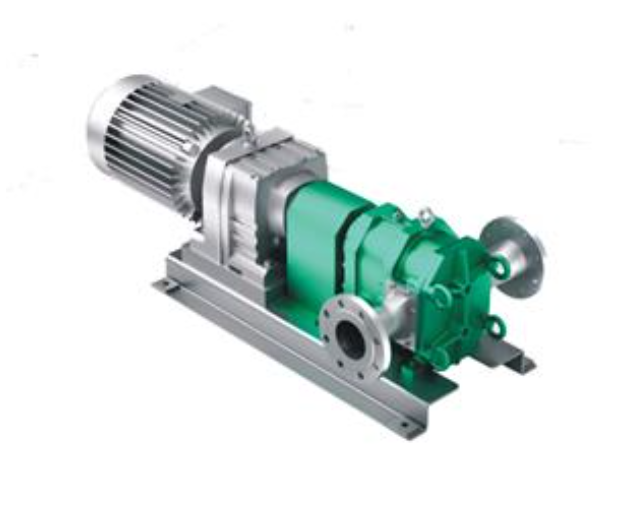
Spare parts availability matters in industrial pump procurement because it directly affects downtime risk, maintenance efficiency, and long-term service confidence. Buyers who evaluate spare parts support early make safer and more practical purchasing decisions.