Cast Iron Pump vs Stainless Steel Pump: Key Differences
Cast Iron Pump vs Stainless Steel Pump: Key Differences
Cast iron pumps and stainless steel pumps are both widely used in industrial water transfer, drainage, circulation and process systems. The right choice depends on liquid type, corrosion risk, working environment, hygiene requirements, budget and long-term maintenance cost.
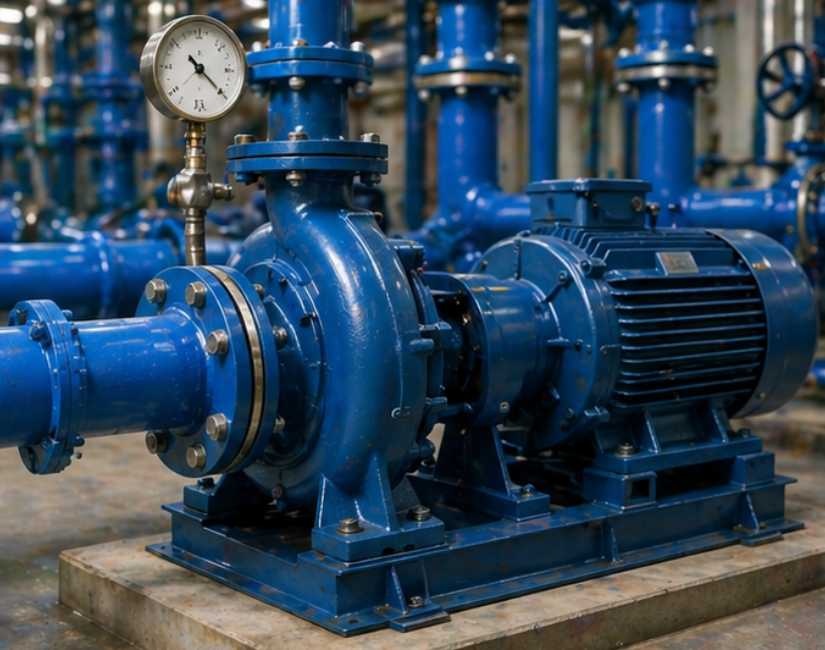
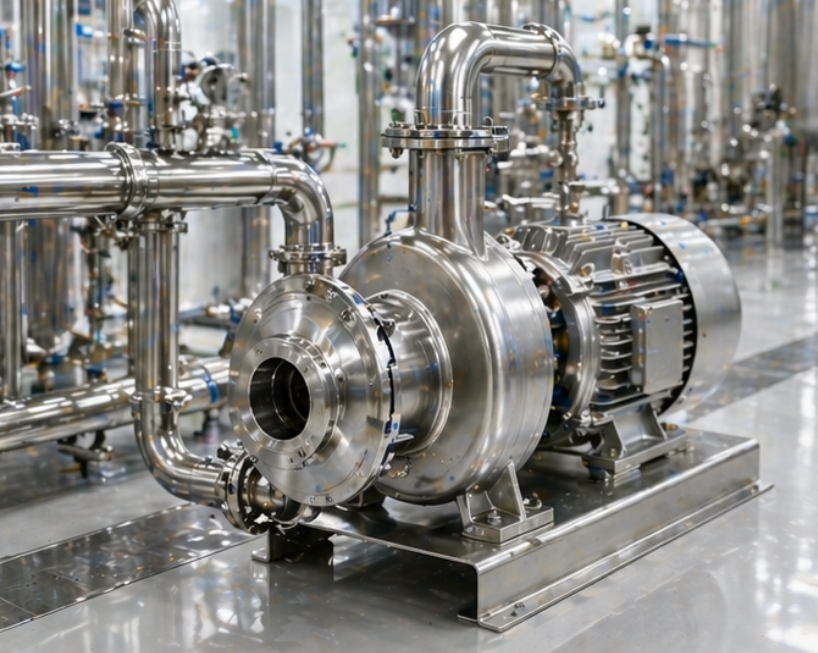
Get QuoteThe main difference between a cast iron pump and a stainless steel pump is the material of the wetted parts. Cast iron pumps are strong, economical and suitable for general water transfer applications. Stainless steel pumps provide better corrosion resistance and are often used when the liquid, environment or industry has higher cleanliness or anti-corrosion requirements. For buyers, the decision should not be based only on price. A cast iron pump may be enough for clean water, cooling circulation and drainage. A stainless steel pump may be more suitable for chemical liquids, coastal environments, food processing, pharmaceutical systems or projects where rust contamination must be avoided. Cast iron pumps are commonly used for clean water, industrial circulation water, agricultural irrigation, building water supply, general drainage and HVAC systems. They offer good mechanical strength and cost efficiency, making them suitable for many standard industrial applications. However, cast iron is not ideal for strong corrosive liquids or environments with high rust risk. If the water contains chemicals, salt, acid, alkali or aggressive substances, buyers should carefully evaluate whether cast iron can meet the service life requirement. Stainless steel pumps are preferred when corrosion resistance, cleanliness or liquid compatibility is important. They are widely used in chemical transfer, food and beverage processing, pharmaceutical production, seawater-related systems, coastal projects, light corrosive liquids and clean process water applications. Stainless steel pumps usually cost more than cast iron pumps, but they may reduce corrosion damage, contamination risk and long-term replacement cost. For buyers handling valuable liquids or operating in corrosive environments, stainless steel can be the more economical choice over the full project lifecycle. Corrosion resistance is the key reason many buyers choose stainless steel pumps. Cast iron performs well in many neutral water applications, but it may rust when exposed to corrosive liquids, humid environments or salty water. Stainless steel offers stronger resistance to rust and corrosion, especially in clean water systems, light chemical media and coastal environments. Buyers should also note that different stainless steel grades have different performance. For example, common stainless steel may be suitable for general applications, while more demanding corrosive environments may require higher-grade stainless steel or special materials. Before choosing between cast iron and stainless steel pumps, buyers should confirm the liquid type, temperature, PH value, salt content, working environment, hygiene requirement and expected service life. For outdoor or coastal projects, humidity and salt spray should also be considered. Buyers should also check whether only the pump casing is stainless steel or whether the impeller, shaft, seal parts and wetted components are also compatible with the liquid. Material selection should be reviewed as a complete system, not as a single component. Choose a cast iron pump when the application is general water transfer, drainage, irrigation or circulation with limited corrosion risk. Choose a stainless steel pump when corrosion resistance, cleanliness, chemical compatibility or long-term durability is more important. GT Pump provides cast iron pumps, stainless steel pumps and customized pump solutions for industrial water transfer, drainage, chemical transfer and engineering projects. Our team can help review your liquid condition and recommend a suitable pump material. Send us your liquid type, temperature, working environment and project requirements. GT Pump will help you choose between cast iron, stainless steel or other suitable pump materials.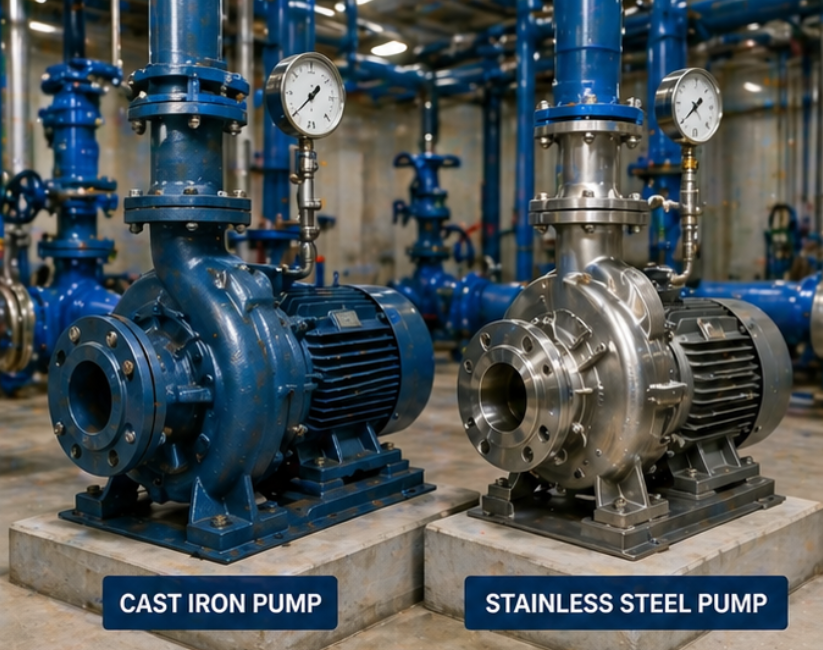
1. Main Difference Between Cast Iron And Stainless Steel Pumps
2. When Should You Choose A Cast Iron Pump?
3. When Should You Choose A Stainless Steel Pump?
4. Compare Corrosion Resistance And Service Life
5. Cast Iron Pump vs Stainless Steel Pump Comparison
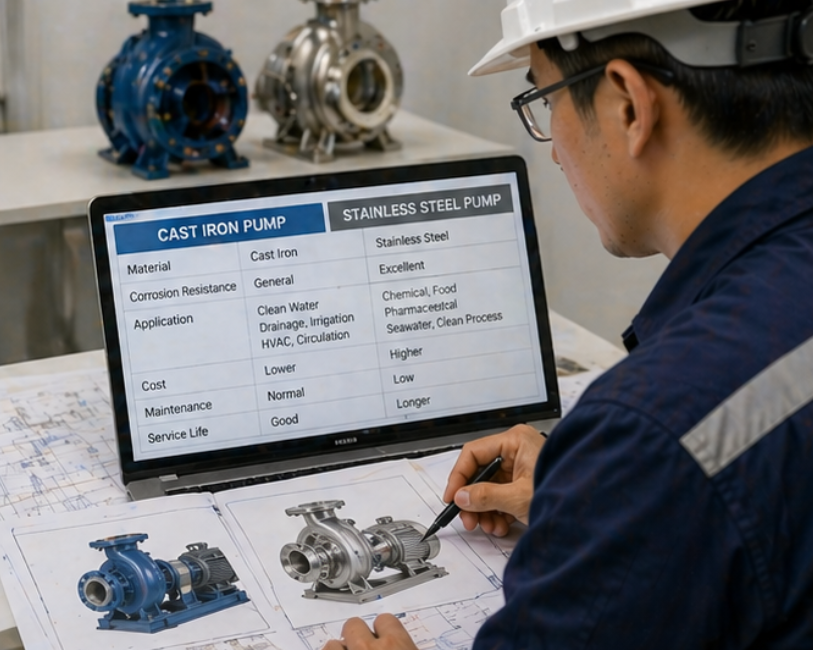
Factor Cast Iron Pump Stainless Steel Pump Main Advantage Strong, economical and suitable for general use Better corrosion resistance and cleaner liquid contact Typical Applications Clean water, irrigation, HVAC, drainage, circulation Chemical, food, pharmaceutical, coastal and clean process systems Corrosion Resistance Limited in corrosive or salty environments Better resistance to rust and many light corrosive liquids Cost Lower initial cost Higher initial cost but better lifecycle value in corrosive conditions Maintenance Risk Rust, scaling or corrosion may occur in unsuitable media Lower corrosion risk if material grade is suitable 6. Key Questions Buyers Should Ask Before Ordering
Conclusion
Need Help Choosing Pump Materials?