How To Choose A Fire Pump For Building And Industrial Projects
How To Choose A Fire Pump For Building And Industrial Projects
Fire pump selection is critical for building safety, industrial fire protection and emergency water supply. Buyers should check flow rate, pressure, pump type, power source, control system, standards, backup configuration and installation environment before ordering.
Get Quote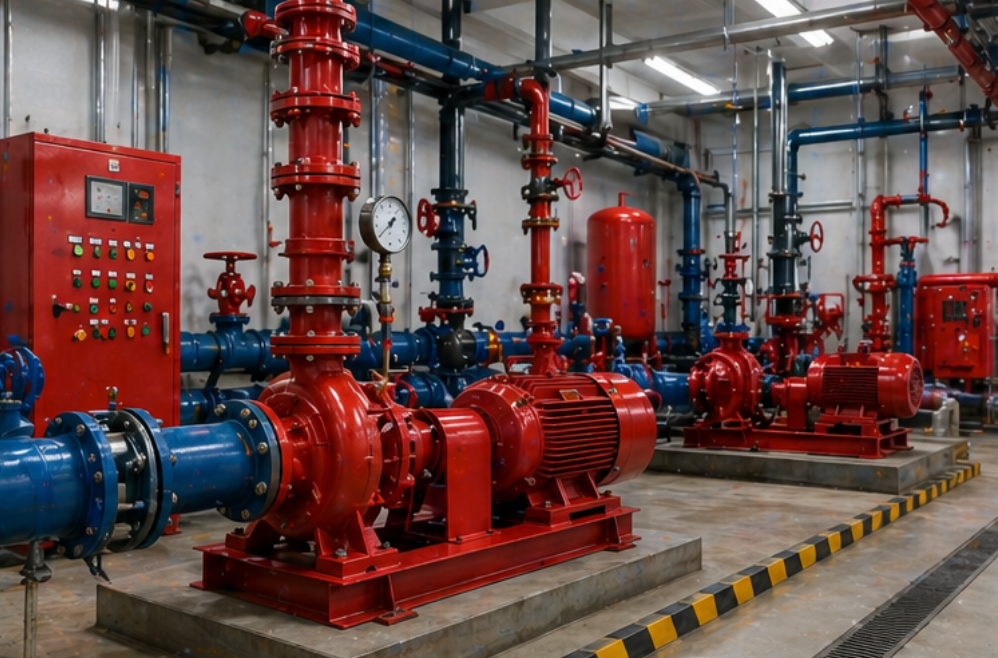
1. Confirm The Fire Protection Application
Before choosing a fire pump, buyers should first confirm where the pump will be used. A residential building, commercial complex, warehouse, factory, power plant, chemical facility or industrial park may require different fire pump capacity and system configuration.
Building projects usually focus on sprinkler systems, hydrant systems and stable water pressure. Industrial projects may require higher flow, higher pressure, backup power, special materials or multiple pump units. The selected fire pump should match the fire protection design, not only the pipe size or pump room space.
2. Check Flow Rate And Required Pressure
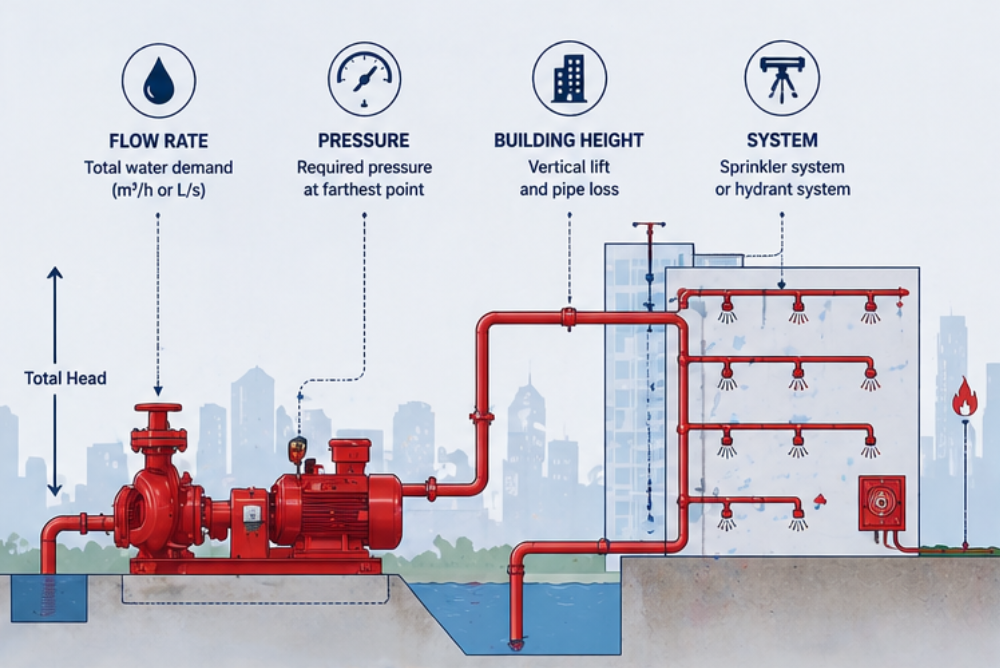
Flow rate and pressure are the core parameters of fire pump selection. Flow rate determines how much water the fire protection system can deliver during an emergency. Pressure must be enough to supply the highest or farthest fire protection point, including pipe resistance, vertical height and system loss.
If the pump pressure is too low, sprinklers or hydrants may not work effectively. If the pump is oversized, it can increase cost, energy consumption and system instability. Buyers should provide the fire protection design data, required flow, pressure and pipe layout before asking for a quotation.
3. Choose The Right Fire Pump Type
Common fire pump types include horizontal split case fire pumps, end suction fire pumps, vertical turbine fire pumps and multistage fire pumps. Horizontal split case pumps are widely used in large buildings, industrial facilities and municipal fire systems because of stable performance and convenient maintenance.
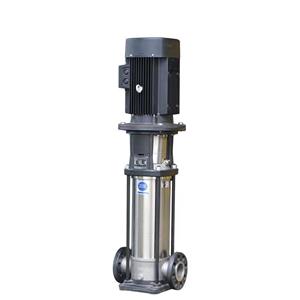
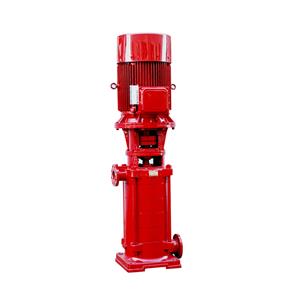
End suction fire pumps are often used in smaller systems with moderate flow requirements. Vertical turbine fire pumps are suitable when the water source is below ground level, such as deep wells, tanks or reservoirs. Multistage pumps may be used when higher pressure is required.
4. Decide Between Electric, Diesel And Jockey Pump Configuration
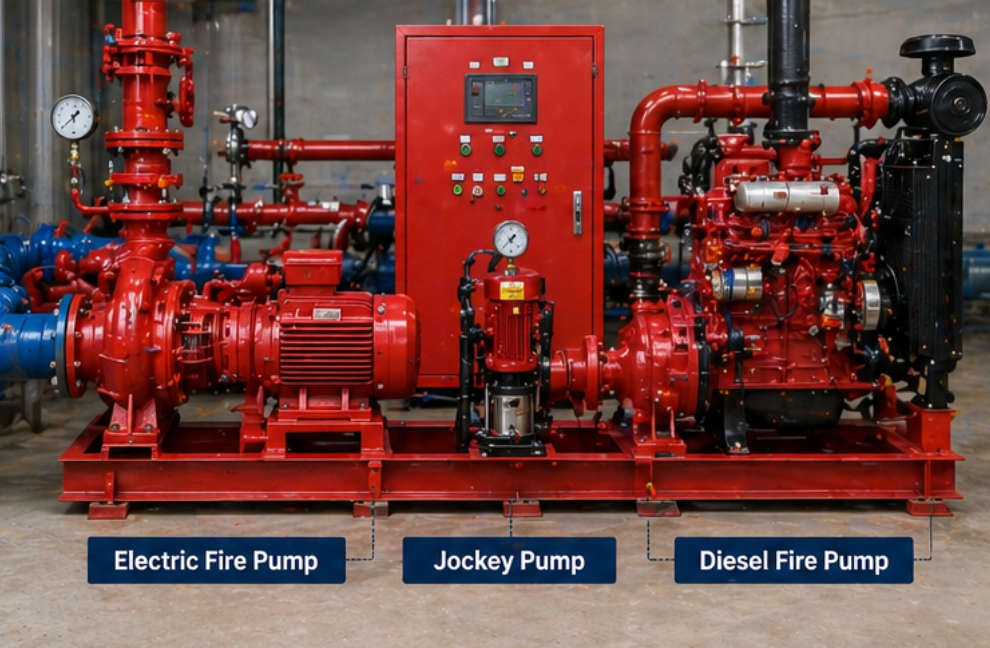
Fire pump systems often include an electric fire pump, a diesel fire pump and a jockey pump. The electric pump is commonly used as the main pump when stable power is available. The diesel pump provides backup protection when power fails. The jockey pump maintains system pressure during small pressure drops and prevents frequent starting of the main pump.
For important buildings and industrial projects, a complete fire pump set is usually safer than using a single pump. Buyers should check whether the project requires backup pump configuration, automatic control cabinet, pressure sensors, valves, base frame and test pipeline.
5. Review Standards, Control System And Safety Devices
Fire pump projects may need to comply with local fire protection codes, project specifications or international standards. Buyers should confirm required standards, testing requirements, motor voltage, control cabinet design and alarm functions before ordering.
A reliable fire pump system should include proper valves, pressure gauges, control cabinet, automatic start function, manual start function, test line, pressure maintenance system and protection devices. For diesel fire pumps, buyers should also check fuel tank capacity, battery system, cooling method and engine protection.
6. Fire Pump Buying Checklist
| Item | What Buyers Should Confirm |
|---|---|
| Project Type | Building, warehouse, factory, industrial plant, commercial complex or public project |
| Required Flow | Fire system water demand, usually in m³/h, L/s or GPM |
| Required Pressure | System pressure, vertical height, pipe loss and farthest fire point |
| Pump Type | Split case, end suction, vertical turbine or multistage fire pump |
| Power Source | Electric motor, diesel engine, backup power and jockey pump requirement |
| Control System | Automatic start, manual start, alarms, pressure control and monitoring functions |
7. Common Applications Of Fire Pumps
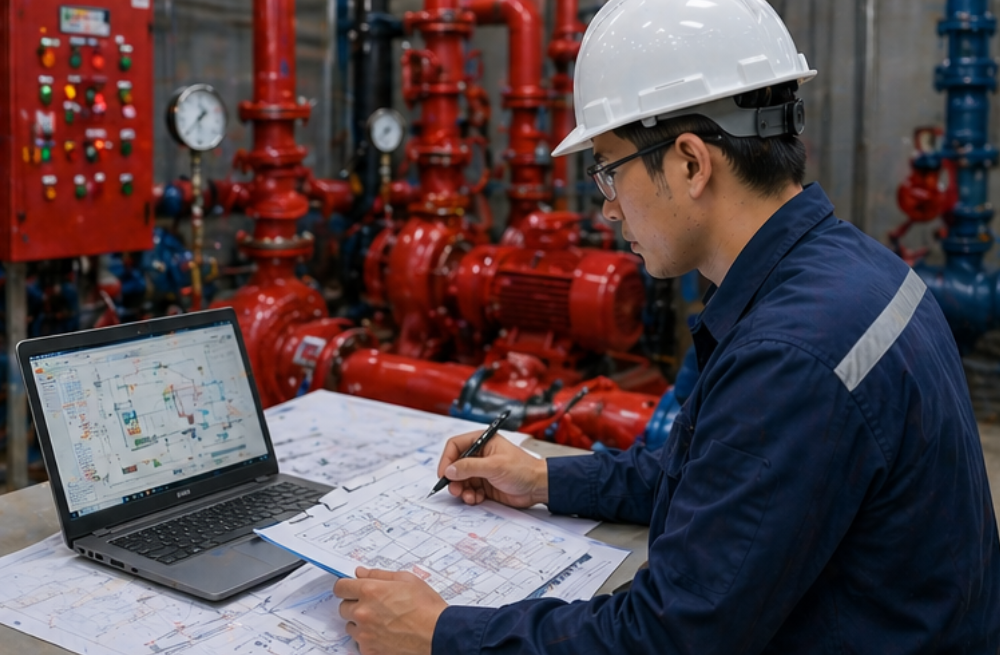
Fire pumps are used in high-rise buildings, shopping malls, hotels, hospitals, schools, factories, warehouses, chemical plants, power stations, industrial parks and municipal fire protection systems. They provide stable water pressure for hydrants, sprinklers and emergency fire fighting systems.
For project buyers, fire pump selection should be based on engineering data and safety requirements. A complete fire pump solution can reduce installation risk, improve emergency reliability and support long-term building safety.
Conclusion
To choose a fire pump for building and industrial projects, buyers should confirm the application, required flow, pressure, pump type, power source, backup configuration, control system, standards and installation environment. Fire pump selection should always prioritize reliability and safety.
GT Pump provides fire pump solutions for buildings, industrial facilities, warehouses, factories and public infrastructure projects. Our team can help review your project requirements and recommend a suitable fire pump system.
Need Help Choosing A Fire Pump?
Send us your required flow, pressure, project type, power source and installation conditions. GT Pump will help you choose a suitable fire pump system for your project.
Contact Us Get Quote