How To Choose A Pump For Chemical Plant Applications
How To Choose A Pump For Chemical Plant Applications
Chemical plant pump selection is critical for safe liquid transfer, stable production and long-term equipment reliability. Buyers should evaluate chemical medium, corrosion resistance, seal design, flow rate, head, motor protection and installation conditions before ordering.
Get Quote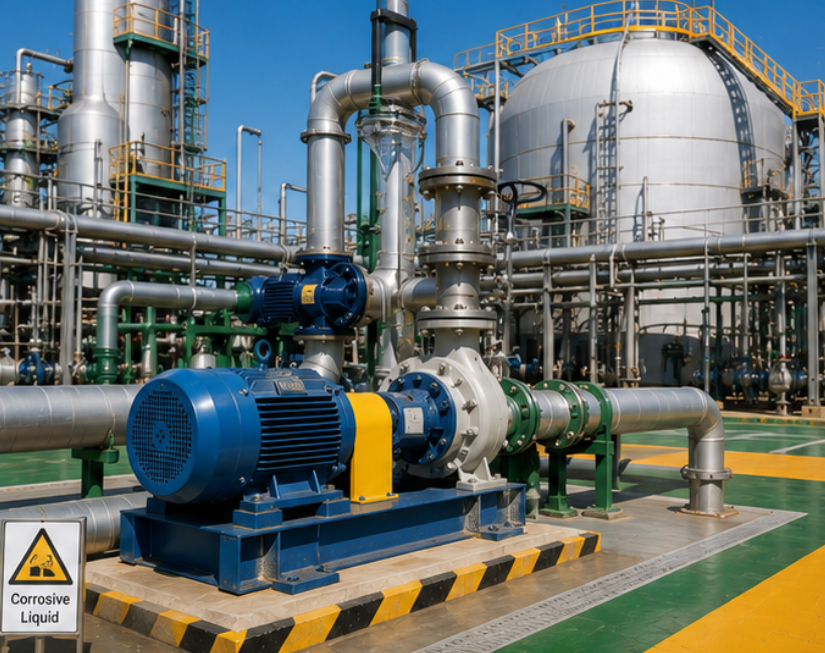
1. Confirm The Chemical Medium
The first step is to identify the liquid being transferred. Chemical plants may handle acids, alkalis, solvents, salt solutions, chemical wastewater, process liquids or mixed liquids.
Buyers should provide chemical name, concentration, temperature, viscosity, density, solid content and whether the liquid is flammable, toxic or corrosive. Even the same chemical may require a different pump material when concentration or temperature changes.
2. Check Material Compatibility
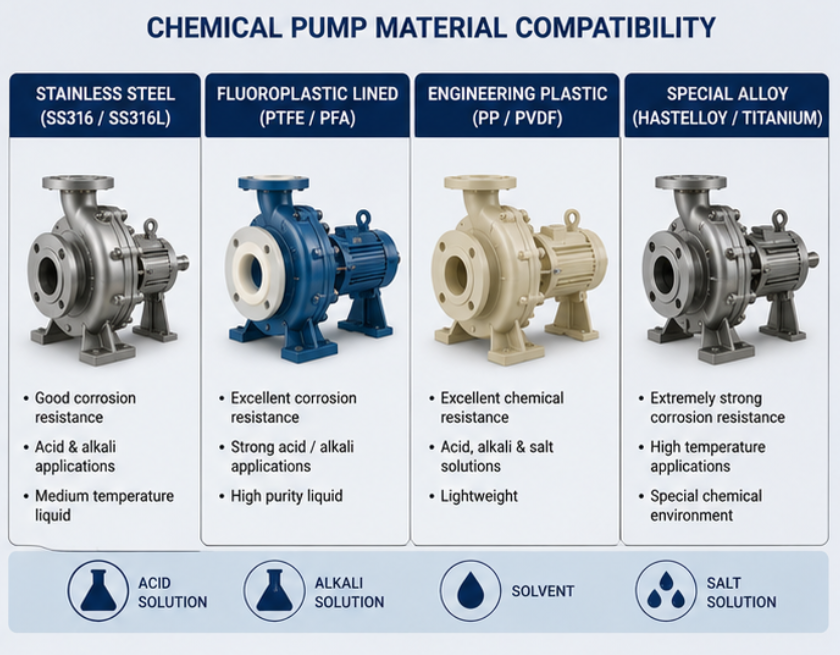
Material compatibility is one of the most important factors for chemical plant pumps. Common material options include cast iron, stainless steel, fluoroplastic lining, engineering plastic and special alloys.
Buyers should check not only the pump casing, but also the impeller, shaft, mechanical seal, gasket and all wetted parts. One incompatible component can lead to corrosion, leakage and production downtime.
3. Select The Right Pump Type
Different chemical plant applications require different pump structures. Centrifugal chemical pumps are commonly used for general liquid transfer. Magnetic drive pumps can reduce leakage risk for hazardous or valuable liquids. Self-priming pumps may be used when suction conditions are difficult.
For chemical wastewater or liquids containing particles, buyers may need pumps with stronger wear resistance and larger flow passages. The pump type should match the process condition, not only the required capacity.
4. Review Seal Design And Leakage Risk
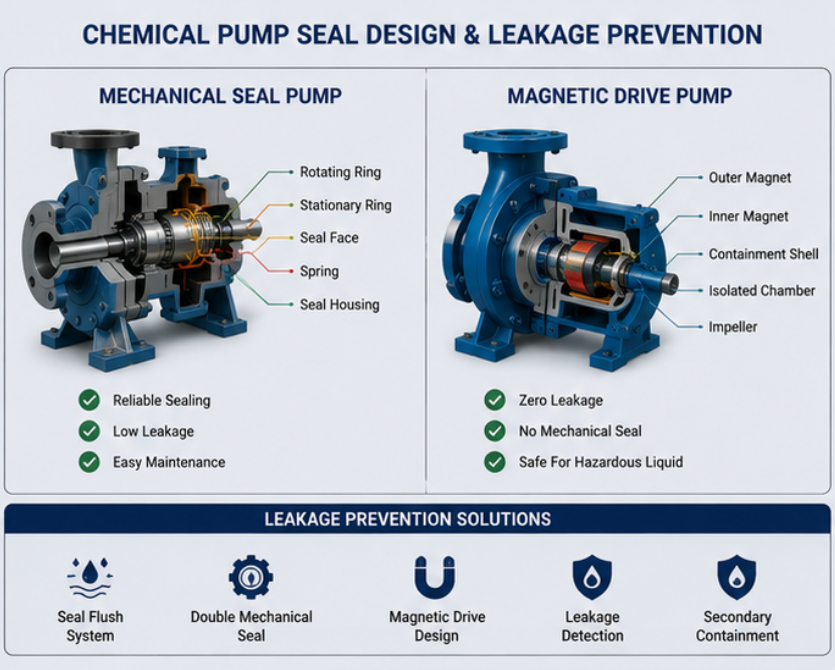
Leakage control is especially important in chemical plants. A standard mechanical seal may be suitable for general process liquids, but toxic, volatile, corrosive or high-value liquids may require special seal materials or magnetic drive designs.
Buyers should confirm seal face material, elastomer compatibility, flushing requirements, cooling requirements and maintenance access. Poor seal selection can cause leakage, safety risks and unexpected shutdowns.
5. Calculate Flow Rate And Head Correctly
Flow rate determines how much chemical liquid must be transferred within a certain time. Head includes vertical lift, pipeline length, friction loss, valves, filters and discharge pressure.
In chemical plants, incorrect flow and head selection can affect production stability. Oversized pumps may create excessive pressure, heat and seal wear, while undersized pumps may fail to meet process demand.
6. Check Motor And Safety Requirements
Chemical plant environments may require special motor protection, explosion-proof motors, corrosion-resistant base frames, leakage detection or automatic control systems.
If the liquid is flammable or volatile, buyers should confirm hazardous area requirements before ordering. Voltage, frequency, protection class, insulation grade and control cabinet requirements should also be provided clearly.
| Selection Factor | What Buyers Should Confirm |
|---|---|
| Chemical Medium | Chemical name, concentration, PH value, toxicity and flammability |
| Temperature | Normal and maximum liquid temperature |
| Flow Rate | Required capacity in m³/h, L/min or GPM |
| Head | Vertical lift, pipeline loss, valves, filters and outlet pressure |
| Material | Stainless steel, fluoroplastic lining, engineering plastic or special alloy |
| Seal Design | Mechanical seal, magnetic drive, seal flushing or special seal material |
| Safety Requirement | Explosion-proof motor, leakage control, hazardous area requirement |
Conclusion
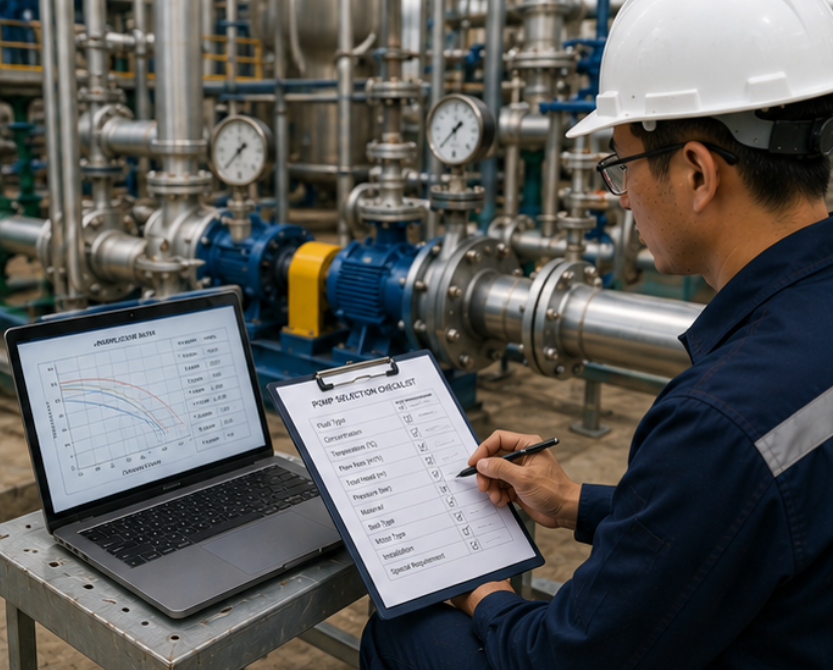
To choose a pump for chemical plant applications, buyers should confirm chemical medium, concentration, temperature, material compatibility, pump type, seal design, flow rate, head, motor protection and safety requirements.
GT Pump provides chemical pump solutions for chemical transfer, corrosive liquids, chemical wastewater and industrial process applications. Our team can help review your working conditions and recommend a suitable pump configuration.
Need A Chemical Plant Pump Solution?
Send your chemical medium, concentration, temperature, flow rate, head and material requirements to GT Pump for fast pump selection support.
Contact Us Get Quote