How To Choose An Industrial Centrifugal Pump
How To Choose An Industrial Centrifugal Pump
Choosing the right industrial centrifugal pump is not only about flow rate and price. Buyers should evaluate liquid type, working conditions, head, material, motor configuration, installation environment and long-term maintenance before placing an order.
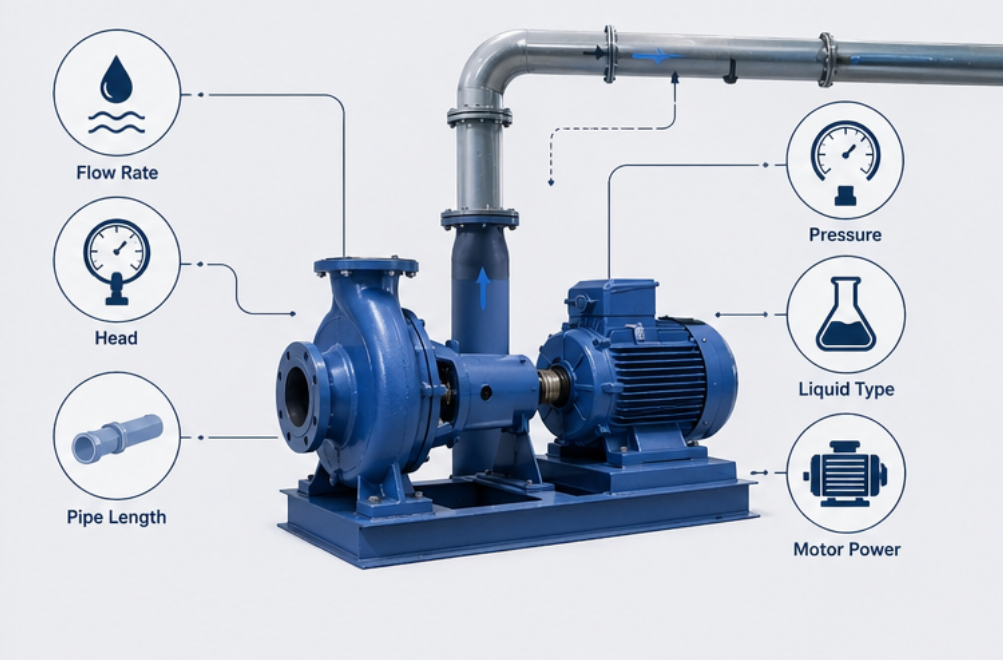
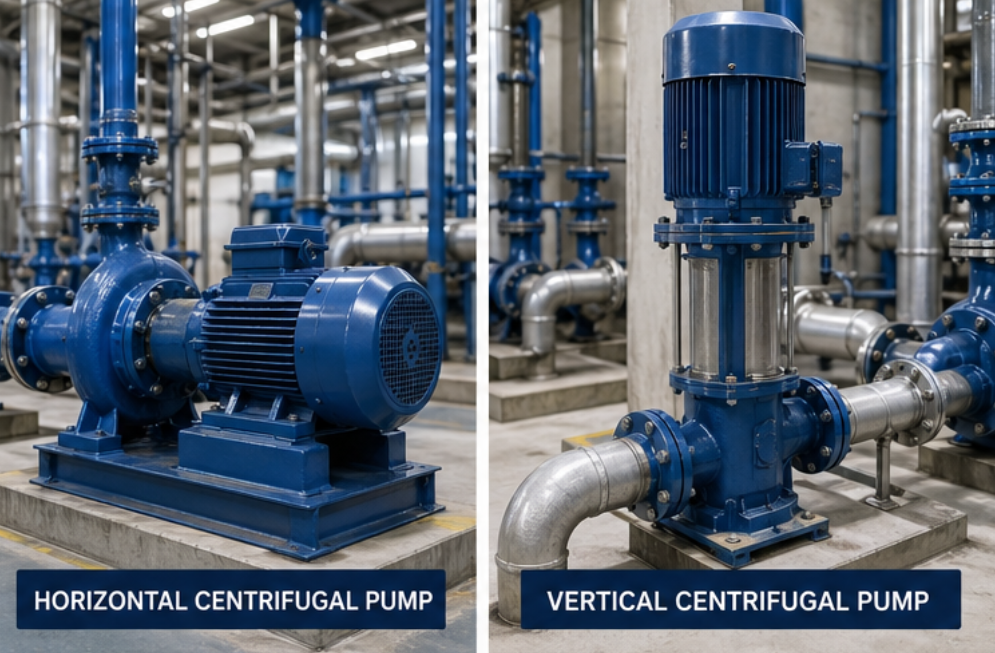
Get QuoteBefore choosing an industrial centrifugal pump, the first question is not the pump model, but the liquid being transferred. Clean water, cooling water, wastewater, light chemical liquids and slightly corrosive liquids require different pump structures and materials. If the liquid contains particles, fibers or sludge, a standard clean water centrifugal pump may not be suitable. Buyers should confirm whether the medium is clean, corrosive, abrasive, high-temperature, viscous or mixed with solids. This information directly affects impeller design, sealing method, pump body material and service life. For example, cast iron pumps are commonly used for clean water and general industrial water transfer, while stainless steel or special material pumps may be required for corrosive liquids. Flow rate and head are the two most important technical parameters when selecting a centrifugal pump. Flow rate tells how much liquid the pump needs to move within a certain time. Head refers to the total height or pressure the pump must overcome during operation, including vertical lift, pipeline resistance, valve resistance and system pressure. A common procurement mistake is selecting a pump only according to pipe diameter or motor power. This can lead to insufficient pressure, unstable operation, high energy consumption or premature pump failure. A suitable pump should work close to its efficient operating range, not constantly at an overloaded or low-efficiency point. Pump material should be selected according to the liquid, working environment and project budget. Cast iron is economical and suitable for general clean water and industrial circulation systems. Stainless steel provides better corrosion resistance and is often used in chemical, food, pharmaceutical or coastal projects. For special corrosive liquids, buyers may need to confirm whether the pump supplier can provide customized materials or corrosion-resistant components. Besides the pump casing, buyers should also check impeller material, shaft material, mechanical seal material and gasket compatibility. A pump body with suitable material but poor seal compatibility can still fail quickly in actual operation. Motor selection affects pump performance, energy consumption and operating stability. For continuous industrial operation, buyers should pay attention to motor power, voltage, frequency, protection class, insulation grade and efficiency level. If the project is located in a hot, humid, dusty or outdoor environment, the motor protection level becomes especially important. Installation type should also be confirmed early. Horizontal centrifugal pumps are widely used in factories, water supply systems and general transfer applications. Vertical centrifugal pumps are suitable when floor space is limited or when the pump needs to be connected with tanks or pipeline systems in a compact layout. Mechanical seals are critical for centrifugal pump reliability. For clean water applications, standard mechanical seals may be enough. For chemical liquids, hot water or continuous operation, buyers should confirm seal material, cooling method and replacement convenience. Poor seal selection can cause leakage, downtime and higher maintenance cost. Maintenance access should also be considered. A good industrial pump should allow easier inspection, seal replacement and bearing maintenance. For project buyers, long-term spare parts availability is often more important than the lowest purchase price. Industrial centrifugal pumps are widely used in water supply, cooling circulation, factory drainage, HVAC systems, chemical transfer, agricultural irrigation, construction dewatering and general industrial liquid transfer. Different applications require different pump structures. For example, a cooling water circulation pump focuses on stable flow and efficiency, while a chemical transfer pump must pay more attention to corrosion resistance and seal safety. For overseas project procurement, it is recommended to provide working condition details before asking for a price. This helps the pump manufacturer recommend a more accurate model and reduce the risk of wrong selection. To choose the right industrial centrifugal pump, buyers should confirm the liquid type, flow rate, head, material, motor configuration, installation method and maintenance requirements. A suitable pump should match the actual working condition, not just the lowest price or the largest motor power. GT Pump provides industrial pump solutions for water transfer, drainage, chemical transfer, irrigation and engineering projects. If you are selecting a centrifugal pump for your project, our team can help review your working conditions and recommend a suitable pump model. Send us your flow rate, head, liquid type and working condition. GT Pump will help you select a suitable pump for your project.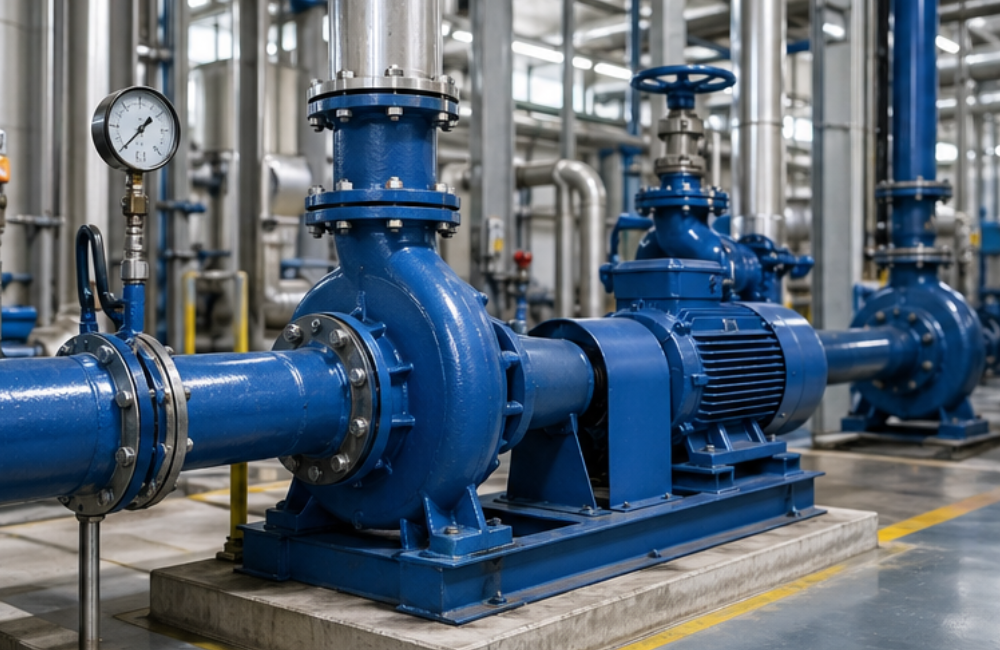
1. Confirm The Working Medium First
2. Match Flow Rate And Head With The Real Working Condition
3. Choose The Right Pump Material
4. Check Motor Power, Efficiency And Installation Type
5. Evaluate Seal Type And Maintenance Requirements
6. Key Information Buyers Should Provide Before Quotation
Item What To Confirm Liquid Type Clean water, wastewater, chemical liquid, hot water or other medium Flow Rate Required capacity, usually in m³/h, L/min or GPM Head / Pressure Total head, pipeline length, vertical lift and system pressure Material Cast iron, stainless steel or customized corrosion-resistant material Power Supply Voltage, frequency, phase and motor protection requirements Installation Horizontal, vertical, indoor, outdoor, fixed base or pipeline connection 
7. Common Applications Of Industrial Centrifugal Pumps
Conclusion
Need Help Choosing An Industrial Centrifugal Pump?