-
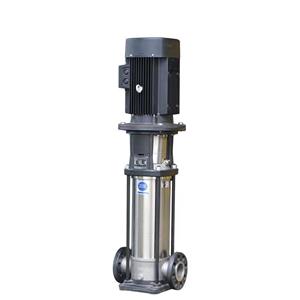
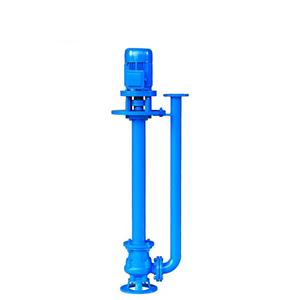
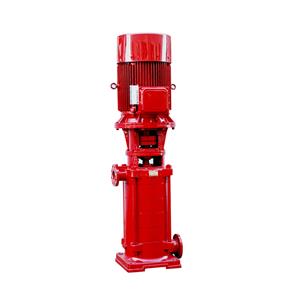
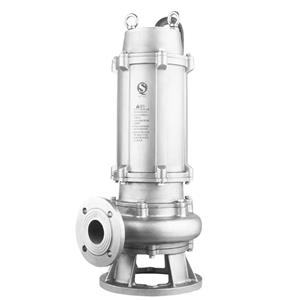
To choose a chemical transfer pump for corrosive liquids, buyers should confirm the chemical medium, concentration, temperature, viscosity, flow rate, head, material compatibility, seal design, motor protection and installation environment. Correct selection helps reduce leakage, corrosion, downtime and safety risk. GT Pump provides chemical transfer pump solutions for corrosive liquids, chemical wastewater, industrial process liquids and engineering projects. Our team can help review your working conditions and recommend a suitable pump configuration.
-
0105-2026
How To Choose A Chemical Transfer Pump That Handles Corrosive Liquids More Safely And Reliably
A chemical transfer pump that handles corrosive liquids safely and reliably is selected through chemical compatibility, proper sealing, and real process matching. Buyers who focus on these three areas reduce leakage risk, improve reliability, and protect long-term plant operation.
-
In corrosive and harsh applications, pump material selection directly affects reliability, maintenance needs, and service life. The correct material helps the pump resist chemical attack, handle wear and temperature stress, and maintain more stable operation over time. The wrong material may still allow the pump to run at the beginning, but it increases the risk of early failure and costly interruption later. For international buyers, the best pump material decision is not the cheapest and not always the most advanced. It is the one that truly matches the application and protects long-term project performance.